
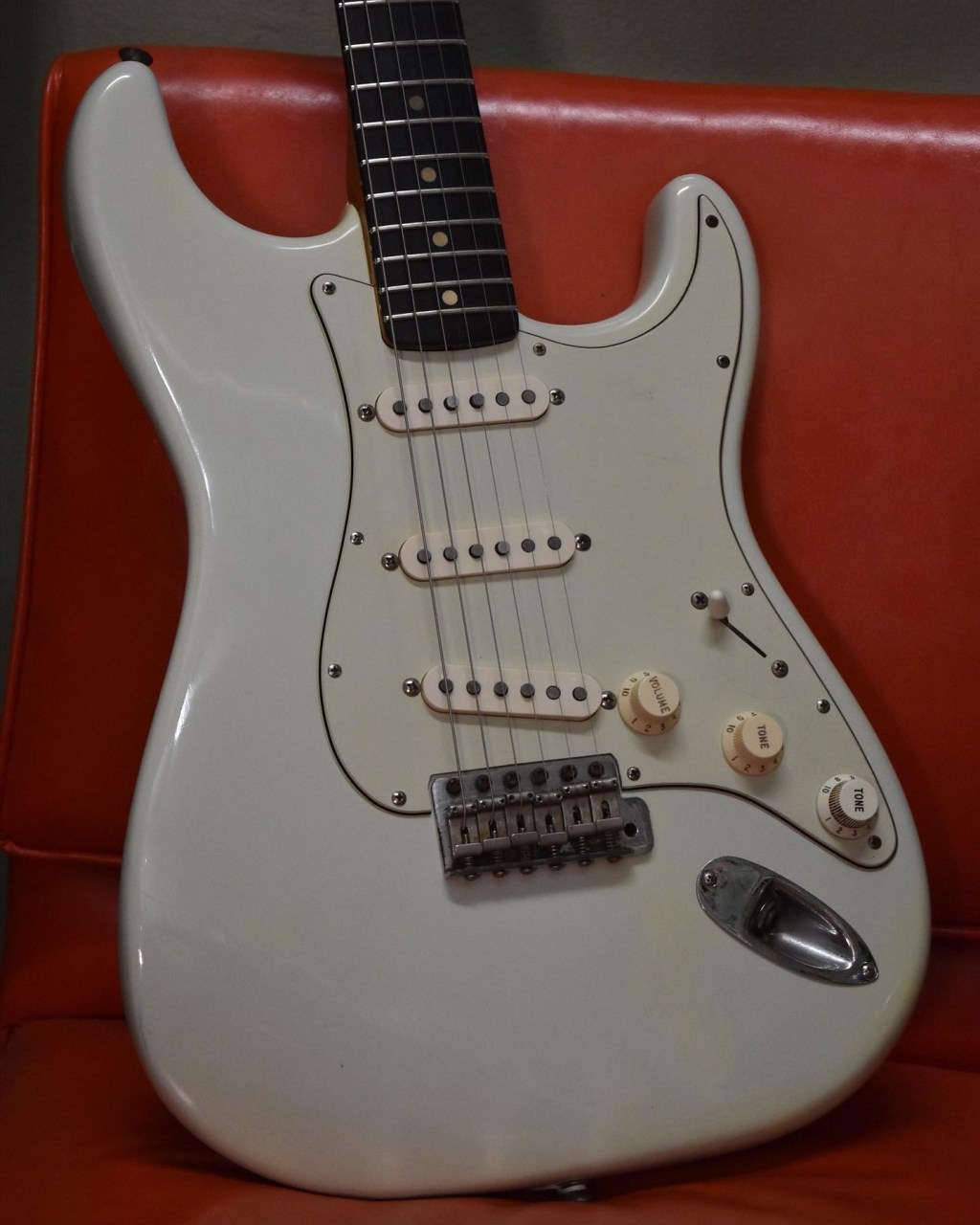
Vintage guitars have a special allure that captures the hearts of musicians, collectors, and enthusiasts alike. These iconic instruments not only produce beautiful melodies but also carry the weight of history and craftsmanship. To truly appreciate the magic of vintage guitars, let’s delve into their fascinating origins.
Do you have a vintage guitar you’d like to sell? Contact us here!
The story of the guitar begins centuries ago, with the evolution of stringed instruments throughout various civilizations. The guitar, as we know it today, can trace its roots back to ancient times, with early prototypes emerging in ancient Mesopotamia, Egypt, and Greece. These early instruments were simple in design, often featuring a wooden body with strings stretched across it.
Fast forward to the Renaissance period, and we witness the emergence of the modern guitar’s ancestors. Instruments like the lute and the vihuela gained popularity in Europe, featuring a curved body, a soundhole, and multiple strings. These instruments laid the foundation for the development of the guitar as we recognize it today.
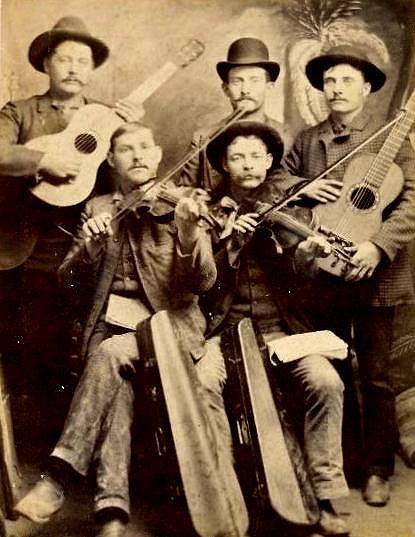
The 19th century marked a significant turning point for guitar design and construction. Innovative luthiers like Antonio de Torres in Spain revolutionized the instrument’s construction techniques, introducing elements such as the fan bracing system and the larger body size. These advancements greatly enhanced the guitar’s tonal capabilities and projection.
As the guitar gained popularity, particularly in Spanish and Latin American cultures, it began to make its way to other parts of the world. In the United States, the guitar found a new home and underwent further evolution. The early 20th century witnessed the rise of legendary American guitar makers, such as Martin, Gibson, and National.

C.F. Martin & Company, founded in 1833, played a crucial role in shaping the acoustic guitar we know today. Their innovations included the introduction of steel strings, X-bracing, and the development of the dreadnought body style. These advancements contributed to the guitar’s volume, projection, and playability, setting the standard for future generations.
Do you have a Martin guitar you’d like to sell? Contact us here!
Meanwhile, Gibson, founded in 1902, made significant contributions to both acoustic and electric guitars. Their iconic archtop guitars, like the L-5 and the ES-150, were popular among jazz musicians, while the Gibson Les Paul and Gibson SG became legendary electric guitar models.
In the mid-20th century, another milestone occurred with the birth of the electric guitar. Pioneers like Leo Fender and Les Paul transformed the instrument’s sound and versatility by introducing pickups and solid-body construction. Fender’s Telecaster and Stratocaster models, as well as Gibson’s Les Paul, quickly gained popularity and became staples in the music industry.
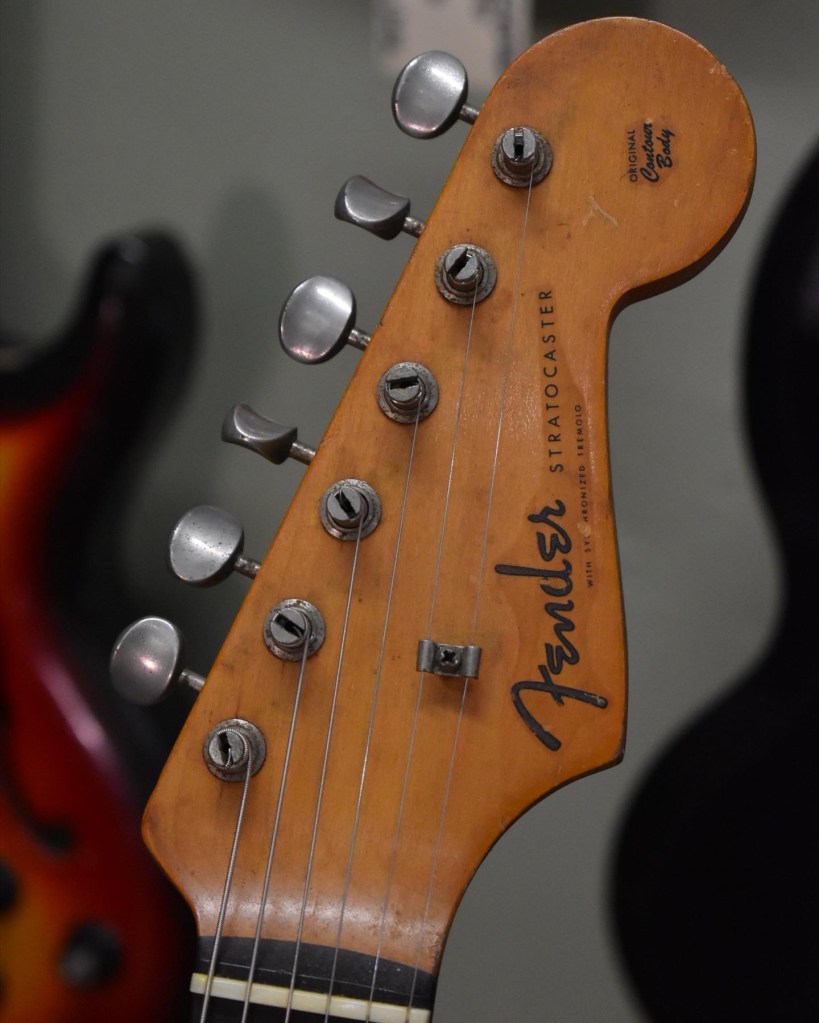
Vintage guitars from the mid-20th century, often referred to as “golden era” instruments, are highly sought after for their craftsmanship, tonal characteristics, and historical significance. These guitars represent a time when craftsmanship was at its peak, and the marriage of artistry and technology created instruments that are revered to this day.
Today, vintage guitars continue to be revered as symbols of musical history. Their timeless designs, exquisite tonewoods, and meticulous craftsmanship evoke a sense of nostalgia and reverence among musicians and collectors. Whether it’s the warm resonance of an acoustic vintage Martin or the electrifying power of a vintage Stratocaster, these instruments hold a special place in the hearts of musicians around the world.
The history of vintage guitars is a rich tapestry of cultural influences, technological advancements, and artistic innovation. From ancient prototypes to the golden era of guitar making, these instruments have evolved and shaped the musical landscape. Exploring the origins of vintage guitars allows us to appreciate the craftsmanship, passion, and creativity that went into creating these timeless musical treasures.
Do you have a vintage guitar to sell? Contact us here!
 IVG Blog