

By C.
One of the most common requests we get at the shop is, do we offer appraisals on instruments? Well the answer is yes! With decades of experience in buying, selling, and authenticating vintage guitars, we’re happy to provide our patrons with an accurate and affordable appraisal with a timely turnaround time. But what exactly does that entail? In this article, we’ll briefly explore some of the benefits a professional appraisal can offer, and the in-depth process of performing one properly.
Do you have a vintage guitar or bass you’d like to sell? Contact us here
A vintage guitar appraisal is an assessment process used to determine the current market value of an older, often collectible guitar. The evaluation usually factors in the instrument’s age, origin, condition, rarity, brand, model, and historical significance, among other characteristics. Vintage guitars are often highly sought after by musicians, collectors, and investors alike, and an accurate appraisal can make the difference in ensuring a fair sale or purchase price. It’s not as simple as looking your guitar up online, as the vintage market prices vary significantly based on many of these aforementioned factors.
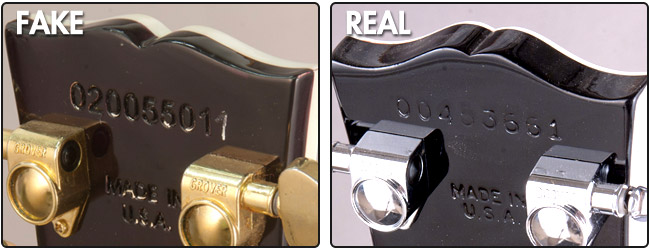
The first step in any vintage guitar appraisal is identifying and verifying the authenticity of the instrument. Many sought-after vintage guitars come from renowned brands like Gibson, Fender, Martin, and Gretsch. Each of these brands has unique characteristics that make their guitars identifiable, such as specific model features, serial numbers, and materials used in manufacturing. Unfortunately, we live in a time where many counterfeits are floating around, and its highly important to verify if your instrument is genuine before advertising it for sale. With our appraisals, we will check the serial number, verify authenticity, and seek precise information about the guitar’s production year and factory location. However, serial numbers alone can sometimes be misleading, so we’ll often cross-reference with other indicators, like the guitar’s headstock shape, logo design, hardware, and construction techniques, which may vary depending on the production era.
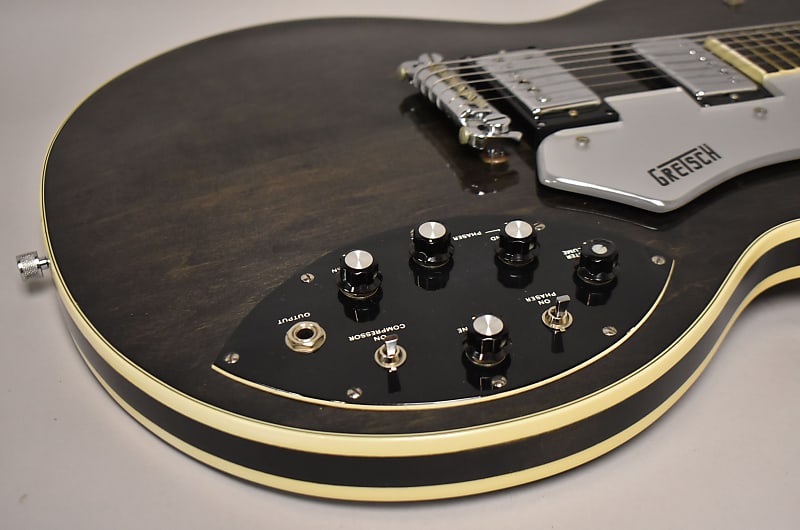
Condition is another key factor in determining the value of a vintage guitar. We will examine both the exterior and interior of the guitar, looking for signs of wear, repairs, or modifications. Some vintage guitars may be in excellent condition despite their age, which can increase their value. However, others may have signs of play wear, including natural dings, scratches, or finish discoloration and wear from extensive playing, which may actually add character and value for certain collectors who appreciate well-played instruments with a story. Vintage guitars with modifications are scrutinized the most during appraisal, as they most certainly still have value, but knowing exactly what modifications were performed throughout the instrument’s life, and how much they may affect the retail value compared to an all-original example is where our expertise shines.
Critical areas of assessment include:
The finish, is the finish original, or has it been refinished? Are there any touch-up areas on the original finish? Or if the instrument has been refinished, is it hiding any previous repairs or modifications to the wood? An original finish is typically more valuable, while a refinish will detract greatly from the value.
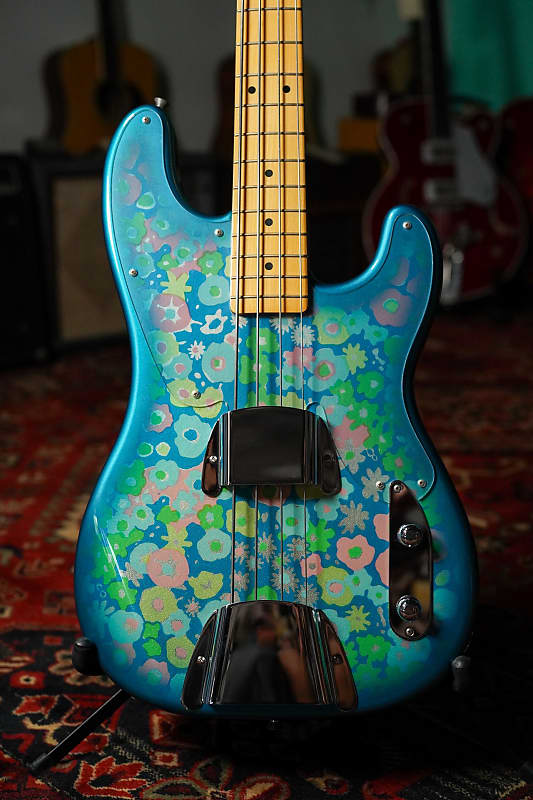
In some cases, an original finish may be a particular color that was prone to discoloration from UV exposure. Also known as “fading”, these finishes can change hue over years and unfaded examples always fetch a higher market price.
We then take a look at the frets. Wear on the frets can affect how the guitar plays and whether or not it will need to be refretted to retain optimal playability. This one is always tricky, as refretting an otherwise original piece will slightly diminish the value. However, someone that wants to actually play and enjoy the guitar will prefer to have frets with little wear on them.
Structural integrity is paramount when performing an appraisal. Cracks, loose braces and signs of repair, particularly on vintage acoustic guitars, are evaluated closely as they can significantly impact both playability and value. Has the neck been reset? Does it need a neck reset? These are all details we will conclude during appraisal
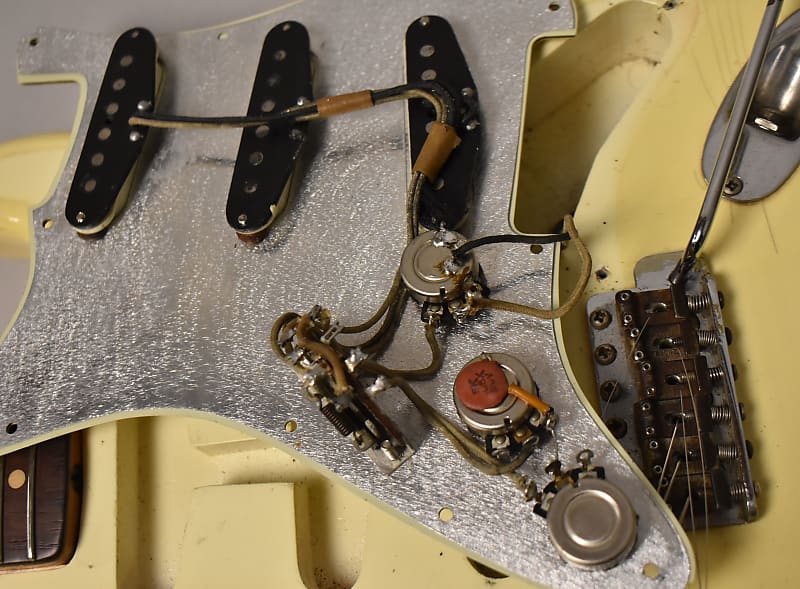
Next up would be the hardware and electronics. Are the tuners, pickups, and bridge original? Modifications, replacements, or repairs in these areas will each impact the guitar’s value, with original parts generally being preferred.
Did you know we also buy collections? If you need to sell multiple pieces at once quickly and easily, send us an email or give us a call for more info
The rarity and model significance of a vintage guitar are substantial factors in its appraisal. Certain models are highly sought after because they were made in limited quantities, have unique specifications, or are tied to famous musicians or historical moments. For example, the 1959 Gibson Les Paul Standard is iconic in part due to its limited production and association with influential players. Similarly, pre-war Martin guitars and 1950s Fender Telecasters or Stratocasters often fetch high prices because of their rarity and importance in music history. We often take market trends into account, considering recent sale prices of similar models.
The guitar’s age and historical context play a crucial role in its value. Older guitars, especially those made before mass production techniques became widespread, often have a distinct character that attracts collectors. For example, guitars built before World War II or during the 1950s “Golden Era” of electric guitar production are particularly prized. We may also look for historical markers like unique finishes or limited-edition runs that correspond to specific production years or eras. These factors often increase a guitar’s “vintage appeal,” which can drive up its value in the market.
While subjective, sound quality and playability can affect a vintage guitar’s appeal and thus its appraisal. In doing an appraisal, we’ll consider factors like the tonewoods used, the resonance of the body, and the overall playability of the guitar. A vintage guitar with excellent tonal qualities that still holds up well in performance contexts will often be more desirable than one that is purely collectible but lacks tonal character or doesn’t play well. Professional players, in particular, may be willing to pay a premium for a vintage guitar with superior sound or feel.

Finally, a vintage guitar’s market value is influenced by current demand and market trends. Rarity doesn’t always equate to desirability, and we look at recent sales data for comparable models to estimate a fair market value. Certain models may see fluctuating values depending on demand, while others maintain consistent value over time. Market trends can be influenced by factors like celebrity associations, shifts in music genres, and even generational preferences among collectors.
A vintage guitar appraisal is a somewhat complex process that combines historical knowledge, market research, and a deep understanding of guitar craftsmanship. From confirming authenticity and examining condition to evaluating rarity and historical significance, a thorough appraisal ensures that buyers and sellers alike can navigate the vintage guitar market with confidence. Ultimately, a well-conducted appraisal not only provides a monetary value but also offers insight into the guitar’s unique place in music history.
With 4 stores across Southern California, we’re always buying! Not sure what your instrument is worth? Bring it by the shop or schedule an appraisal online
 IVG Blog