

By C.
Guitar neck shapes, often referred to as “neck profiles,” play a crucial role in determining how a guitar feels and responds in a player’s hands. The shape of the neck affects not only comfort but also playability and performance, especially during extended sessions. Understanding the different neck profiles available can help guitarists find the perfect match for their playing style and physical attributes. In this article, we’ll be taking a glance at some of the various neck profile shapes that you may encounter out in the wild.
Do you have a vintage guitar or bass you’d like to sell? Contact us here
First off, the almighty C. C-shape necks are one of the most common and versatile profiles found on modern guitars. This neck shape features a gentle curve that resembles the letter “C,” providing a balanced feel that suits a wide variety of playing styles. The C-shape is popular among players because it is generally comfortable for both chords and lead playing, making it a favorite among beginners and professionals alike.

One of the major advantages of the C-shape neck is its ability to adapt to different hand sizes. The curvature is typically less pronounced, allowing for a natural resting position for the thumb and fingers. Players with average or smaller hands often find this shape easier to navigate. But be mindful, that the term ‘C’ varies and can generally be small, medium, or large. With any profile, it’s ideal to familiarize yourself further with neck depth measurements by measuring necks that feel comfortable to you (and even those that don’t) so you’ll have a clearer idea of what to look for when buying your next guitar.
Now onto the V’s! The V-shaped neck is characterized by a more angular profile, with a noticeable point at the center of the back of the neck. This shape comes in two variations: soft V and hard V.

The soft V has a rounded, subtle point and is less angular. It offers a compromise between a C-shape and a hard V, making it suitable for players who want a vintage feel but also need some versatility. The hard V has a sharper, more pronounced point. However, due to the more angular nature of the profile, some players may find it uncomfortable during extended playing sessions. Both versions of the V-shape neck are commonly associated with vintage guitars, particularly models from the 1950s. Fender, Martin, and even some Epiphones from this period can often be found with V-necks. They offer a distinctive feel that many guitarists enjoy for their unique playability and nostalgic charm.
The U-shape neck, also known to some as the “baseball bat” neck, has a thicker, rounder profile with a deeper curve compared to the C-shape. U-necks tend to have much more “shoulder” than a C, the flat spots on the edges before the curve begins. This neck shape provides a lot of support and is favored by players who prefer a chunkier neck or have larger hands. The U-shape is often found on older vintage guitars, but is most recognizable on early 50’s Fender Telecasters.
Did you know we also buy collections? If you need to sell multiple pieces at once quickly and easily, send us an email or give us a call for more info
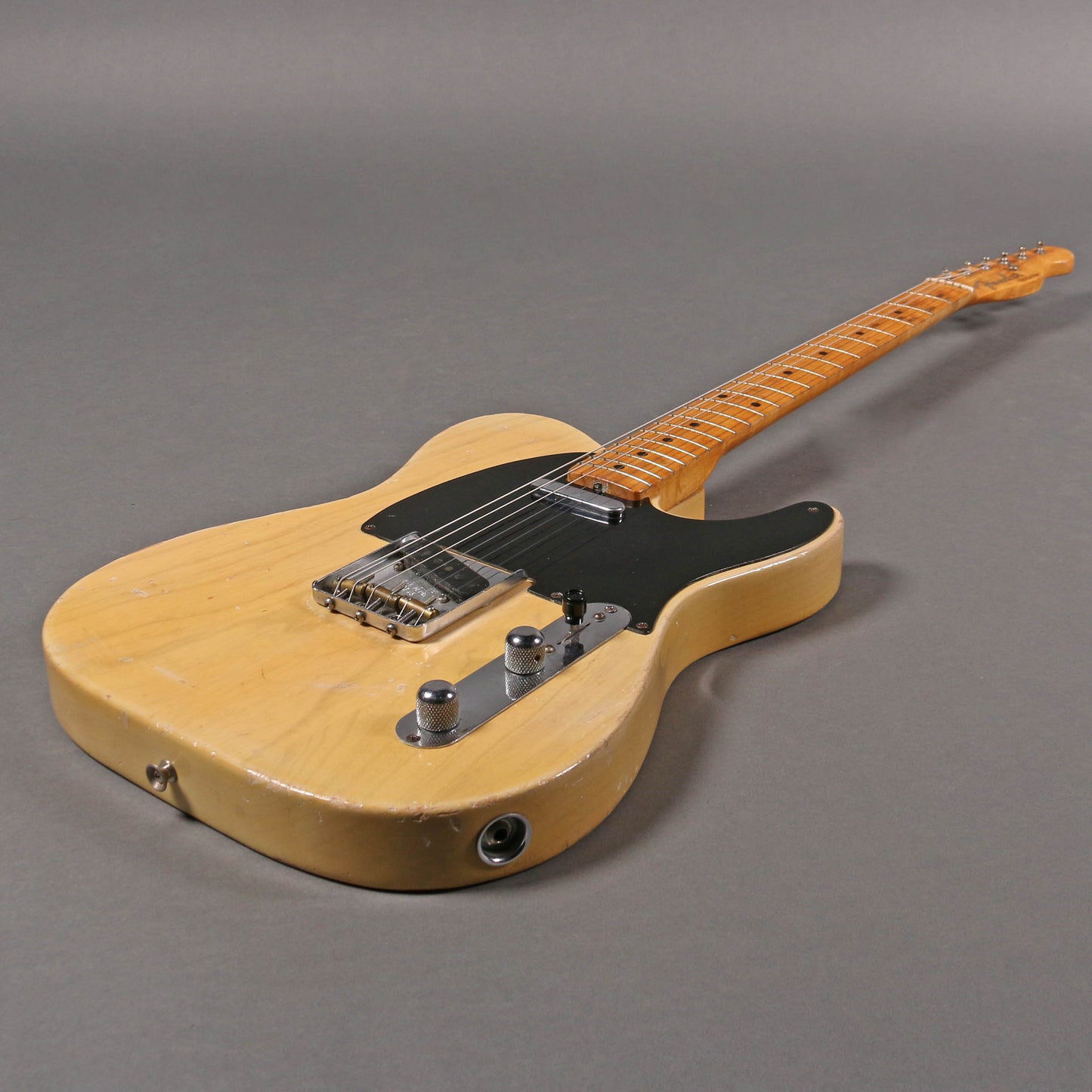
Because of its thickness, the U-shape neck can offer a comfortable grip for players who like to wrap their thumb around the neck for certain chord positions or techniques. However, its bulk can make it less suitable for players with smaller hands or those who prefer fast, intricate lead playing.
The D-shape neck is a variation of the C-shape but with flatter shoulders, resembling the letter “D.” This profile is often found on guitars designed for speed and precision, such as those used in metal or shredding genres. The flattened design allows for quicker transitions between frets, making it easier for players to move their fingers swiftly across the fretboard.

The D-shape is favored by players who prioritize speed and technical performance, as it provides a more ergonomic surface for the thumb and fingers. It is commonly associated with modern electric guitars that feature slim, fast necks.
The slim taper neck is a variation often found on Gibson guitars, particularly models like the SG and Les Paul. This neck profile is thinner from the nut to the 12th fret, gradually tapering to a thicker profile as you move up the neck. This design allows for a fast, smooth playing experience at lower frets, while still offering the support needed for playing higher up the neck.
Slim taper necks are ideal for players who enjoy a mix of rhythm and lead playing, as they provide a balance of comfort and speed. The thinness near the nut makes it easier to play fast runs or intricate chord shapes, while the thicker profile higher up allows for solid grip and control when bending strings or playing solos.
Some modern guitars feature compound neck shapes that combine different profiles at various points along the neck. For example, a guitar may have a C-shape near the nut for comfortable chording and a D-shape near the higher frets for fast lead playing. These compound profiles are designed to offer the best of both worlds, catering to guitarists who want versatility in their neck shape.
When choosing a guitar, the neck shape is a personal decision that can significantly affect how you play and feel the instrument. Whether you prefer the comfort of a C-shape, the chunkiness of a U-shape, or the speed of a D-shape, finding the right neck profile for your hand size and playing style is crucial for an enjoyable playing experience. So how exactly is neck profile determined? Ultimately, trying out different neck shapes in person is the best way to discover what works best for you.
With 4 stores across Southern California, we’re always buying! Not sure what your instrument is worth? Bring it by the shop or schedule an appraisal online
 IVG Blog