
By C.
When it comes to navigating the various options available for amps, it can be a confusing and overwhelming task to soak in all the information out there. At the end of the day, nobody wants to plug in and sound BAD (unless of course, they do?). But the route to achieve your optimal sound can be long and costly if you’re not making well-educated purchases. Choosing your amplifier is one of the most important elements to your tone. And if you’ve just begun research for your first amp purchase, or maybe you’d like to try something new, you’ve probably run into this age-old topic. Solid-state or tube? Well, it depends on who you ask. The truth is, both technologies have their own unique characteristics, benefits, and drawbacks. Understanding the differences between them can help you make informed choices based on your tonal preferences, playing style, and practical needs.
Do you have a vintage guitar or bass you’d like to sell? Contact us here
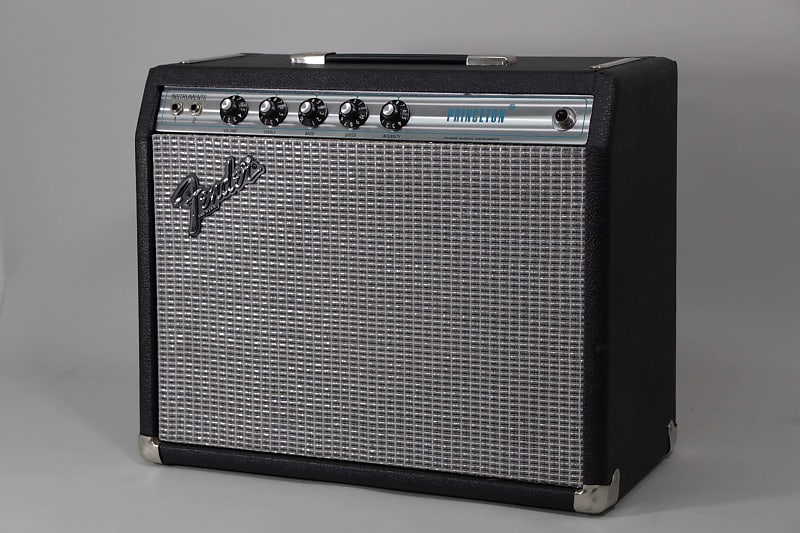
Tube amplifiers, also known as valve amplifiers, use vacuum tubes (valves) to amplify the guitar signal. These tubes operate by controlling the flow of electrons in a high vacuum to amplify the input signal. The technology dates back to the early 20th century and was found in everything from radios and TV’s to military and medical equipment. Tube technology has been a staple in guitar amplification since the 1950s and continues to thrive today.
Solid-state amplifiers, on the other hand, use transistors to amplify the guitar signal instead of tubes. Transistors, which came into widespread use in the 1960s, are small semiconductor devices that can amplify electrical signals. Solid-state technology is a bit more modern and has evolved significantly since its inception. This is important to note, as many of the recent solid-state amplifiers have come a long way in terms of sound and features and can significantly out-perform their predecessors. So if you’re ever advised to “try to get an old 60’s amp”, consider that advice is probably best applied to a tube amp.
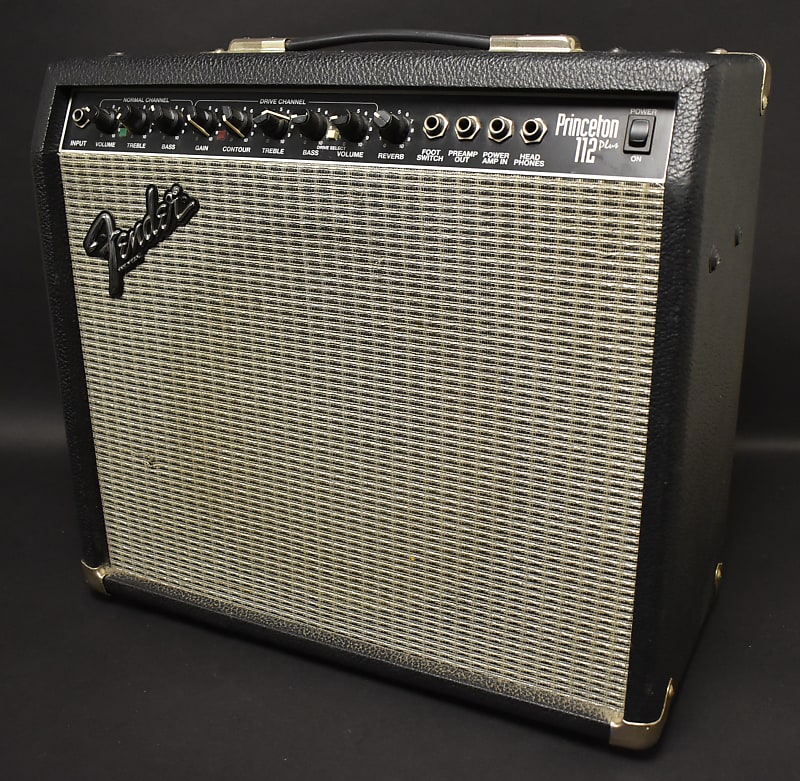
The sound characteristics between the two types of amps are probably the most discussed and key differences from a non-scientific perspective. Tube amplifiers are celebrated for their warm, rich, and harmonically complex sound. They produce a type of distortion that is often described as smooth and musical when pushed into overdrive. This distortion, known as “tube saturation,” occurs because vacuum tubes compress the signal in a non-linear way, generating even-order harmonics that are pleasing to the human ear. Additionally, tube amps respond dynamically to the player’s touch, often described as having a “living” feel.

Solid-state amplifiers are known for their clean, precise, and consistent sound. They do not naturally distort in the same way as tube amps; when they do distort, it tends to be harsher and less musical, though advancements in technology have improved solid-state distortion characteristics. Solid-state amps are often favored for their ability to produce a clean tone at high volumes without breaking up or dramatically changing in sound, which can be useful for genres like jazz or for players who prefer to use pedals for their distortion.
Did you know we also buy collections? If you need to sell multiple pieces at once quickly and easily, send us an email or give us a call for more info
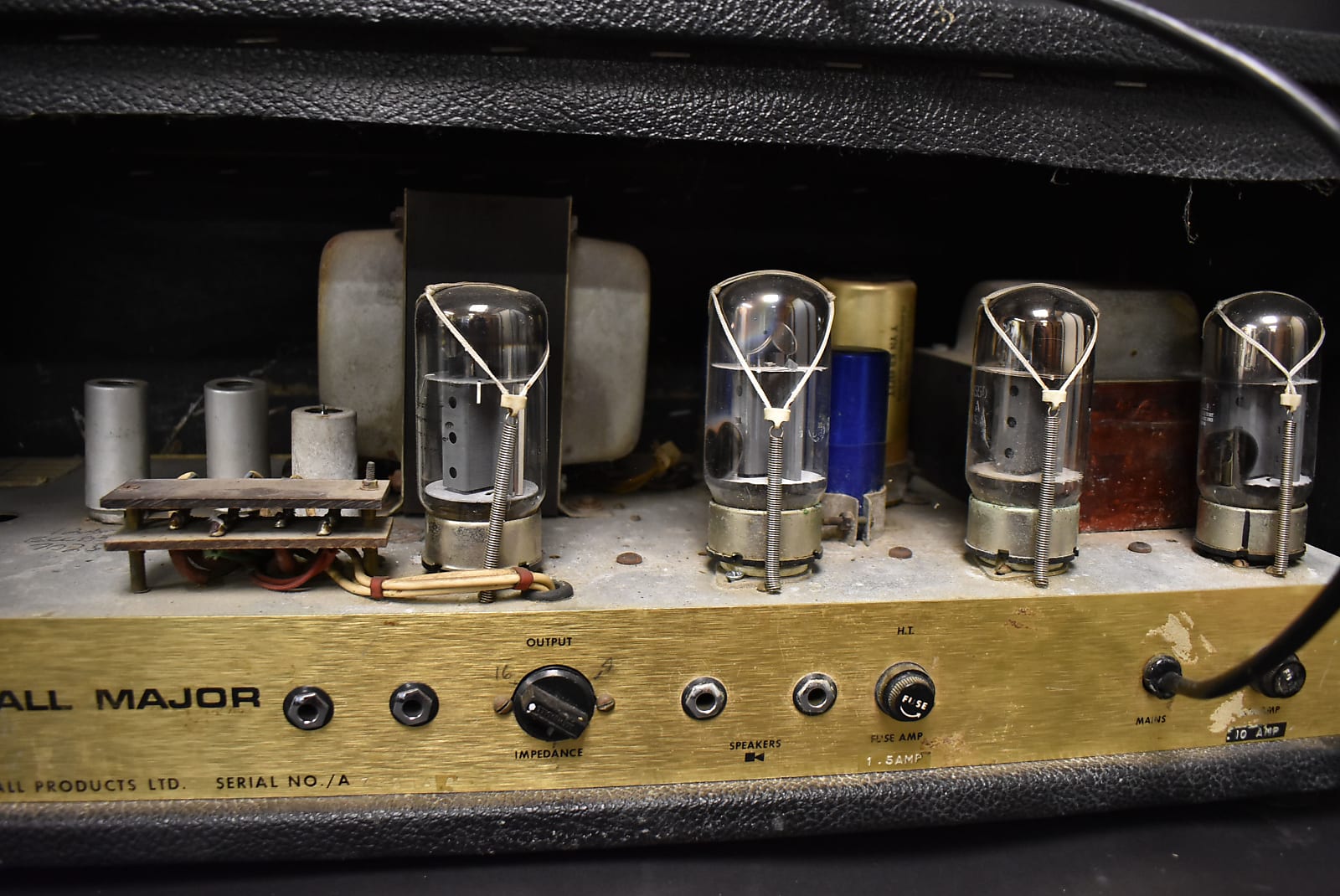
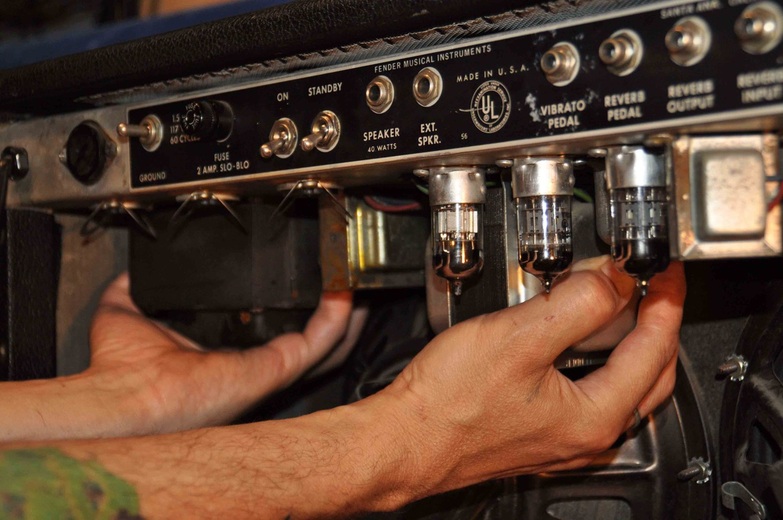
Maintenance and repair is another factor to consider. Tube amps generally require more maintenance due to the fragile nature of vacuum tubes, which need to be replaced periodically. Tubes are sensitive to vibrations and temperature changes, making them more prone to damage. Additionally, tube amps generally require a warm-up period and can be less reliable in harsh conditions. That being said, most tube amplifier circuits are well-understood by any competent amp tech and can almost always be repaired if something does go wrong.
Solid-state amps can more robust and reliable than tube amps, but not always. They are less susceptible to damage from physical shock and temperature fluctuations due to the lack of tubes, and of course they do not require the regular replacement of tubes which can add up to being quite a substantial cost over the years. Solid-state amps are often more durable and dependable, making them a practical choice for gigging musicians who need a reliable and low-maintenance amplifier. Though, like any electronic device, they can eventually stop working or have problems in which case finding a willing amp tech to repair it can be more challenging. Many amp techs prefer, and are more knowledgable working on tube circuits. In some cases, the bench fee and labor costs can end up costing more than the amp is worth.
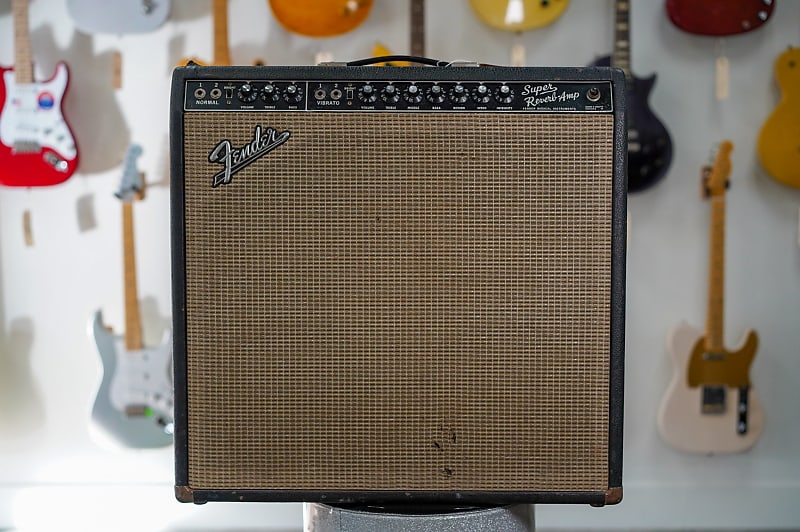
Now on to size, weight, and portability. Tube amplifiers tend to be heavier and bulkier due to the weight of the transformers and the tubes themselves. This can make them less convenient for musicians who need to transport their gear frequently. The weight and size are often cited as significant drawbacks for tube amps. And if the amp is a combo (meaning it has a built in speaker in the cabinet), be prepared for some heavy lifting before the gig. Ow my back!
Solid-state amplifiers are generally lighter and more compact than tube amps, mostly because they dont have the large iron transformers or tubes weighing them down. This makes them easier to transport and set up, which is a significant advantage for traveling musicians or those with limited space.

And now the economics of it all, everyone’s favorite topic. Tube amps are usually more expensive than solid-state amps, both in terms of initial purchase price and ongoing maintenance costs. The cost of high-quality tubes and the need for occasional servicing can add to the overall expense. For starters, tube amps are a little more labor intensive to build, and they also have more expensive electronic components inside. Also, in many cases, tube amps that are hand-wired can fetch a much higher premium over amps wired on a printed circuit board. Why? We’ll save that topic for another day..
Solid-state amps are typically more affordable, both upfront and in terms of maintenance. The lower cost of production and the absence of expensive components like vacuum tubes contribute to their affordability. This makes them an attractive option for beginners or players on a budget. Though beware, as mentioned above, that if a solid-state amp becomes non-functional, you may have more difficulty getting it repaired or the costs may exceed the value of the actual amp itself.
In the end, the choice between solid-state and tube amplifiers for guitar boils down to personal preference, the type of music played, and practical considerations. Tube amplifiers offer a warm, dynamic, and harmonically rich sound that is highly valued in many musical genres, particularly rock, blues, and jazz. However, they require more maintenance, are heavier, and more expensive.
Solid-state amplifiers, on the other hand, provide a clean, reliable, and cost-effective alternative with the benefits of portability and durability. They are well-suited for genres that require pristine clean tones and for players who rely heavily on effects pedals for their tone. Though they can’t achieve the natural saturation and warm overdrive or cleans that a tube amp can.
Ultimately, the best amplifier for any given guitarist will depend on their specific needs, preferences, and budget. Many modern guitarists use a combination of both technologies to achieve their desired sound. It’s up to you to shape your tonal destiny, and great results can be achieved with either solid-state or tube as proven by many artists throughout the decades.
With 4 stores across Southern California, we’re always buying! Not sure what your instrument is worth? Bring it by the shop or schedule an appraisal online
 IVG Blog