

By C.
We’ve all heard the sounds of lush reverb effects on our favorite music. Whether it’s found on a twangy surf instrumental or the vocal track of a great singer, you’ll know it when you hear it. Reverb is a natural phenomenon of our world that’s present almost everywhere, from shouting in a large hallway, or footsteps in a long stairwell, reverb is simply part of our world. But what about for guitar? How can we get that effect at any time or place? Well, this was a question asked many years ago and ultimately solved by….yep…you guessed it, Leo Fender.
Do you have a vintage guitar or bass you’d like to sell? Contact us here
The history of Fender reverb units is deeply intertwined with the evolution of electric guitars and the quest for better sound amplification in popular music. Fender, now being one of the most iconic names in the world of guitars and amplifiers, played a pivotal role in shaping the sound of modern music with their innovative reverb units.
The story begins in the early 1960’s when Leo Fender, the founder of Fender Musical Instruments Corporation, introduced the 6G15 Reverb Unit, also known as the Fender Reverb Tank. This groundbreaking device was designed to emulate the natural reverberation found in large halls and auditoriums, allowing guitarists to achieve a more spacious and immersive sound. Until that point, all Fender amps were “dry”, or lacking any built-in reverb capabilities. Recording studios in the late 50’s already had the ability to achieve the reverb effect with large plate reverb units such as the EMT 140, which were usually about the size of a ping-pong table. While this was suitable for a professional studio setting, it was certainly not practical for any travelling or performing musician, and so Fender stepped in with a solution.
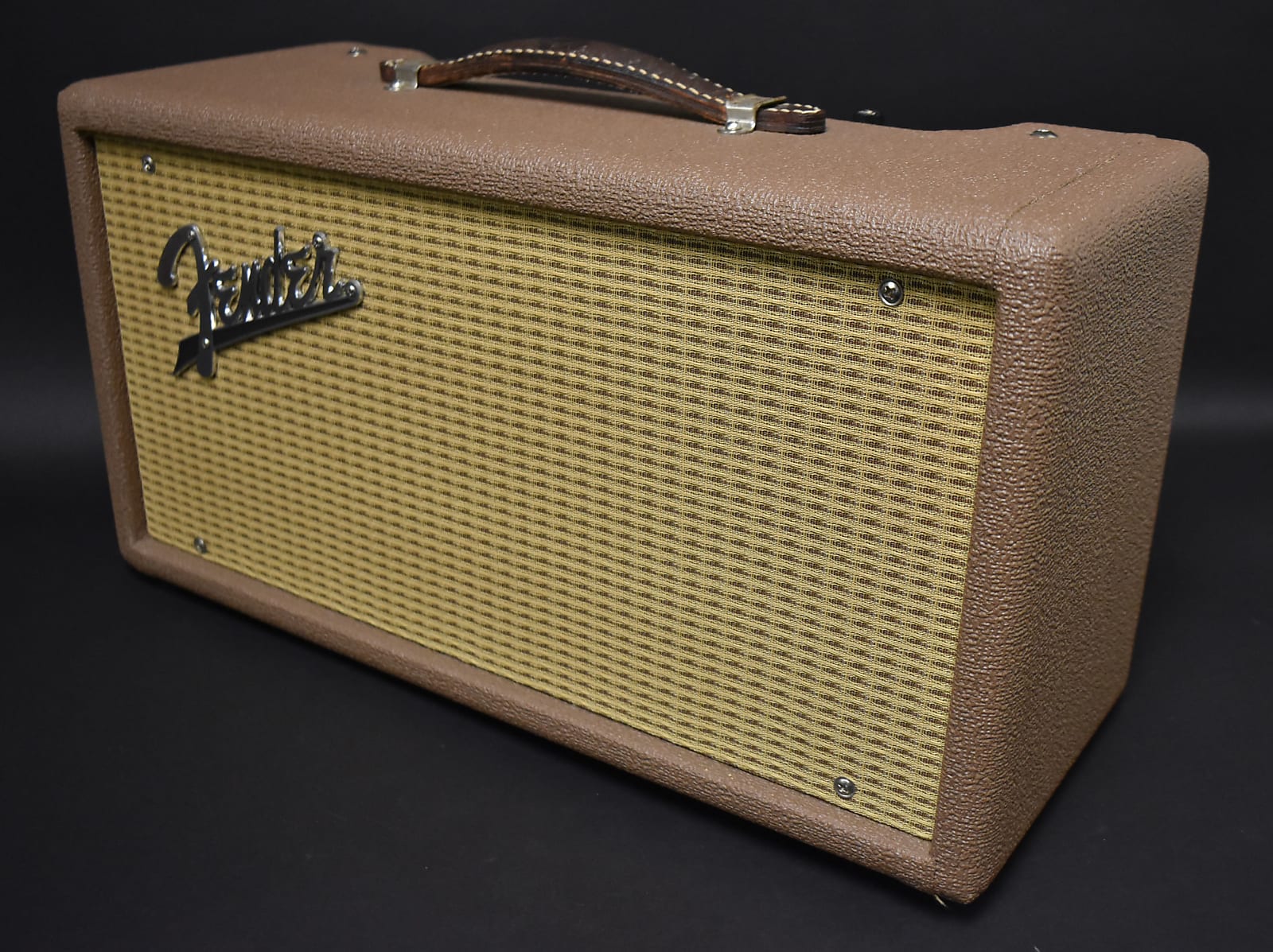
The original Fender Reverb Unit was introduced in 1961 and quickly became a staple in studios and on stages around the world. Since Fender amps had recently gotten a cosmetic makeover from the previous “Tweed” era to a new “Brownface” look, the original Fender reverb unit also shared the new brown tolex covering with wheat-colored grille cloth, giving it a sleek appearance to match the line of amps. Its distinctive sound, characterized by lush, dripping spring reverb, became synonymous with the emerging surf music of the early 1960s, popularized by bands like The Ventures and Dick Dale.
The unit featured a set of springs suspended within a metal enclosure, with an input transducer at one end and an output transducer at the other. When a signal was sent through the springs, it would bounce back and forth, creating the characteristic reverberation effect. This design was unlike the sound of a plate reverb and offered adjustable dwell and mix controls, allowing guitarists to fine-tune their reverb sound to suit their preferences. It quickly became the desired effect for many guitarists worldwide.
Did you know we also buy collections? If you need to sell multiple pieces at once quickly and easily, send us an email or give us a call for more info
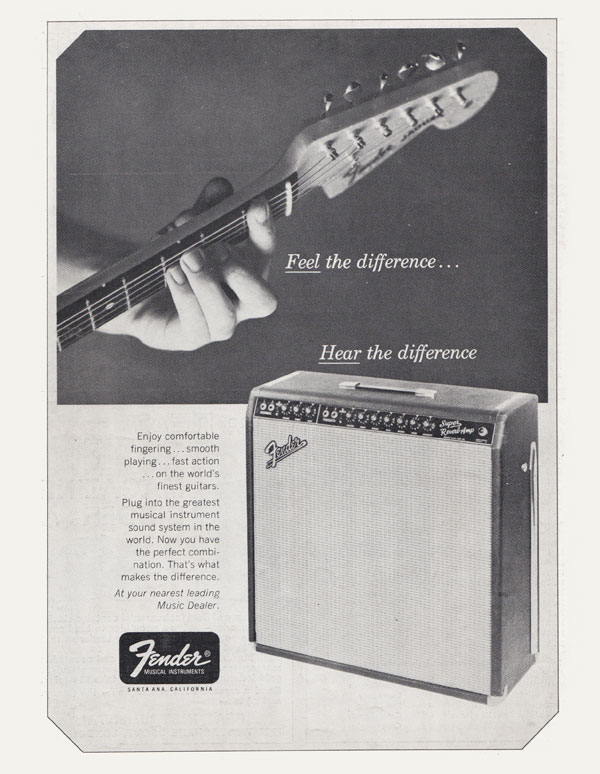
The 6G15 Reverb unit was a hit from the start and remained widely popular until about 1964 when Fender introduced their line of reverb amplifiers. These updated models of previously known Fender models featured a spring reverb tank built-in directly into the amplifier chassis. This all-in-one design was a hit with guitarists seeking a more streamlined setup, and amps such as the Super Reverb, Princeton Reverb, Vibrolux Reverb, and the Deluxe Reverb Amp became a go-to choice for players in search of classic Fender tone with built-in reverb.
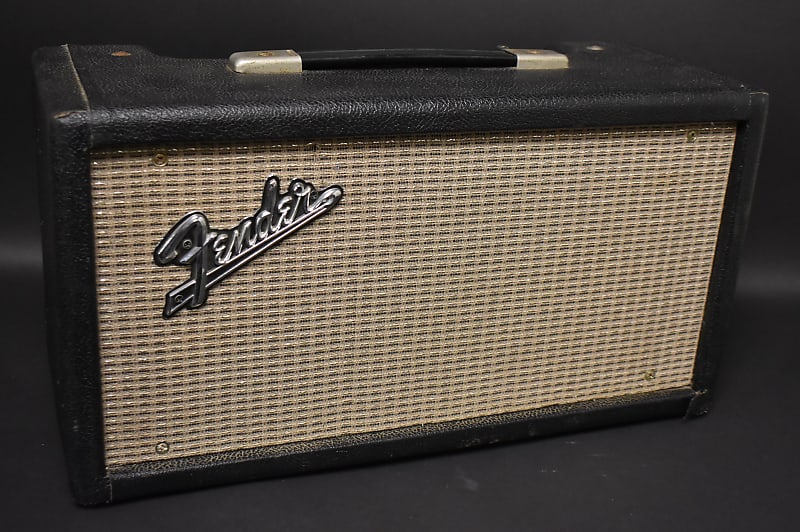
The 6G15 Reverb unit began to decline in popularity with the release of the reverb amps, but remained in production until about 1966. After that, and through the 70’s Fender continued to refine and expand on the reverb units, introducing models with new solid-state based circuits like the FR-1000.
In the decades that followed, Fender continued to innovate in the realm of reverb technology, introducing digital reverb units such as the Fender FRV-1 Reverb pedal. A collaboration between Fender and the Boss Corporation, these pedals utilized digital processing to recreate the classic spring reverb sound of vintage Fender amps, providing guitarists with a portable and versatile solution for adding reverb to their rig. While the pedal has been described as very close, it just can’t beat the sound of a vintage tube-powered 6G15. But for those looking for an affordable and convenient work around, it fits the bill just fine.

Today, Fender offers a wide range of reverb pedals and amplifiers, including reissues of their most famous models. Each product is designed to cater to the diverse needs and preferences of modern musicians. From vintage-inspired spring reverb units to cutting-edge digital effects, Fender continues to uphold its legacy of innovation and excellence in the world of guitar amplification.
With 4 stores across Southern California, we’re always buying! Not sure what your instrument is worth? Bring it by the shop or schedule an appraisal online
The history of Fender reverb units is a prime example of the powerful influence of Fender Musical Instruments Corporation on the world of electric guitars and amplifiers. From the iconic sound of the original Fender 6G15 Reverb Unit to the latest innovations in digital reverb technology, Fender has remained at the forefront of shaping the way we experience and create music.
 IVG Blog