

By C.
Choosing the right guitar strings is an important decision for any guitarist. Among the myriad of factors to consider, string gauge stands out as one of the most important. Guitar string sizes, often referred to as string gauge, play a significant role in determining the playability, tone, and feel of the instrument. From the buttery, rubbery smoothness of lighter strings to the robust resonance of heavier ones, each gauge offers a distinct experience for the player. So let’s take a closer look into the world of guitar string sizes, shall we?
Do you have a vintage guitar or bass you’d like to sell? Contact us here
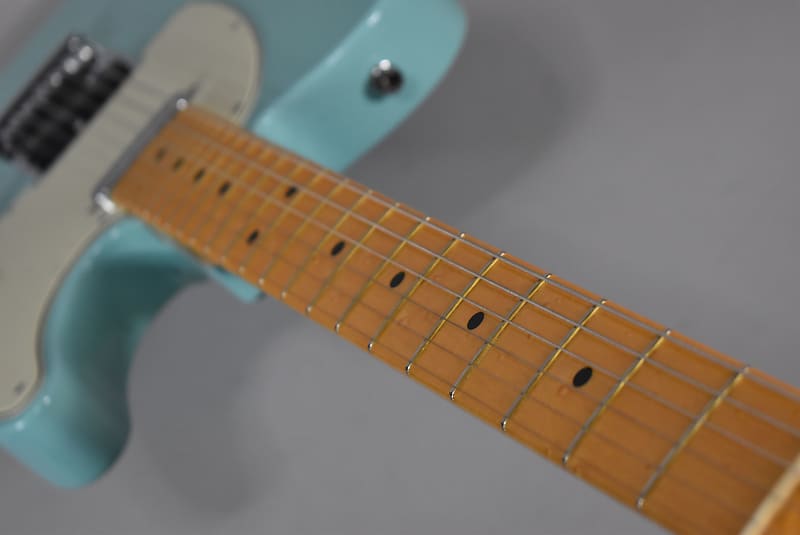
String gauge refers to the thickness of the strings, typically measured in thousandths of an inch. Lighter gauge strings have smaller diameters, while heavier gauge strings are thicker. Common gauges range from extra-light (typically .008 to .038) to heavy (typically .012 to .056), with various intermediate options available.
Lighter gauge strings are favored by many guitarists for their ease of playability and flexibility. They require less finger pressure to fret notes and bend strings, making them ideal for beginners and players with smaller hands or less finger strength. For difficult chord shapes and intricate lead lines, lighter strings tend to excel. Moreover, lighter strings tend to produce brighter, and thinner tones and are often preferred for genres where clarity and articulation are critical. However, their thinner diameter also means they offer less sustain and can be prone to breakage, particularly during aggressive playing or extensive use of tremolo.
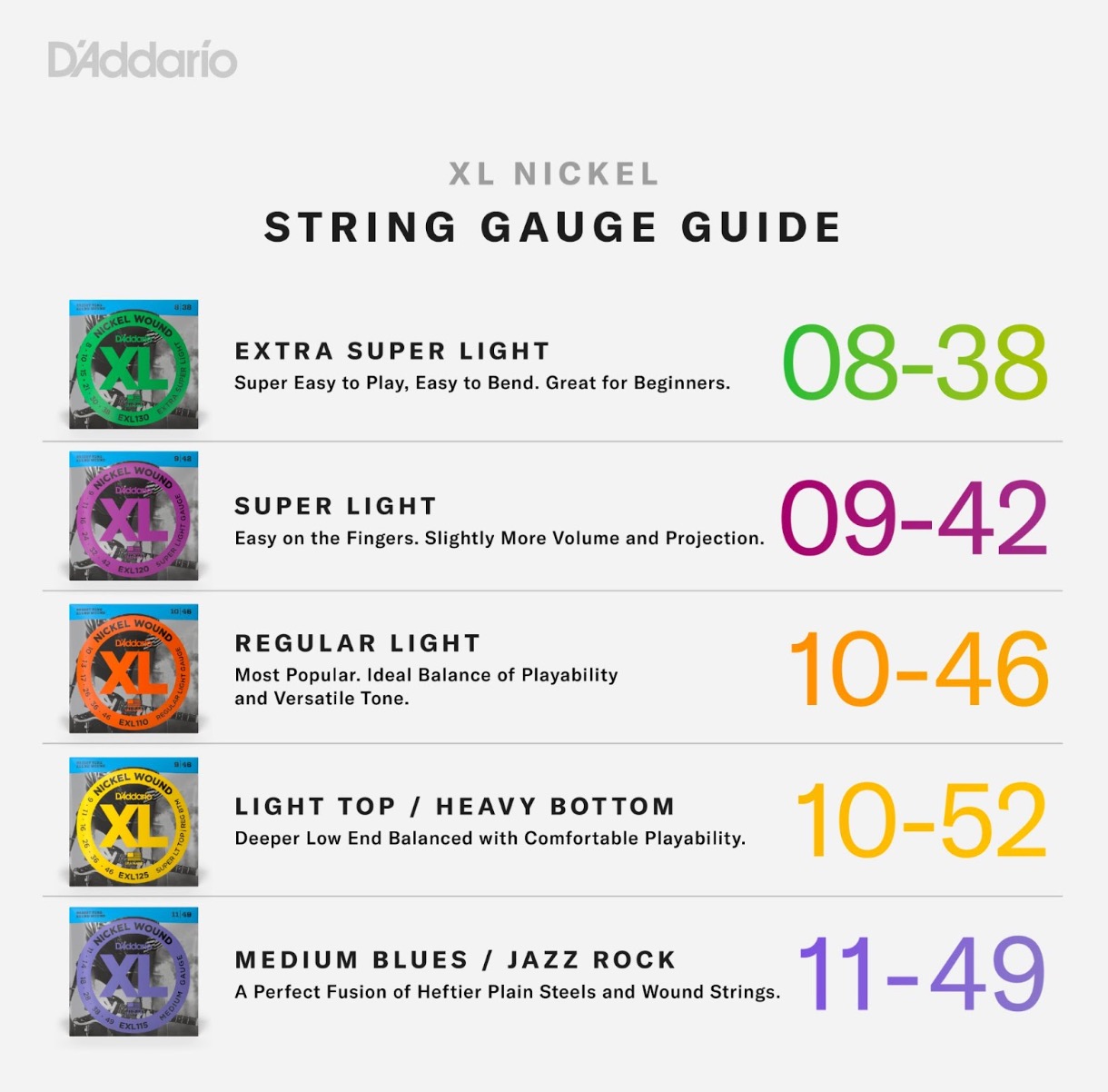
On the other end of the spectrum, heavier gauge strings provide a thicker, fuller tone with increased sustain and resonance. The general consensus is they sound “better”, but require much more finger pressure to play, making them less forgiving for beginners but offering greater control and precision for experienced players. Heavier strings are popular in genres such as blues, rock, and metal, where a fat, punchy tone and the ability to handle high levels of distortion are prized. Additionally, heavy gauge strings can withstand aggressive playing styles and alternate tunings more effectively than lighter strings, making them a favorite among many professional guitarists. If you tune down to anything below D Standard, lighter gauge strings will simply go “flubby” on you and make it nearly impossible to play comfortably (or in-tune for that matter).

Did you know we also buy collections? If you need to sell multiple pieces at once quickly and easily, send us an email or give us a call for more info
Intermediate gauges offer a compromise between the extremes of light and heavy strings, providing a balance of playability, tone, and versatility. They are often preferred by players who require a bit more heft and projection than light strings but find heavy strings too stiff and unwieldy. Intermediate gauges are suitable for a wide range of musical styles and playing techniques, making them a popular choice for many guitarists seeking a versatile all-around option. The most common strings you’ll find on electrics are .10-.46, which is arguably the best ‘middle of the road’ solution in this regard.
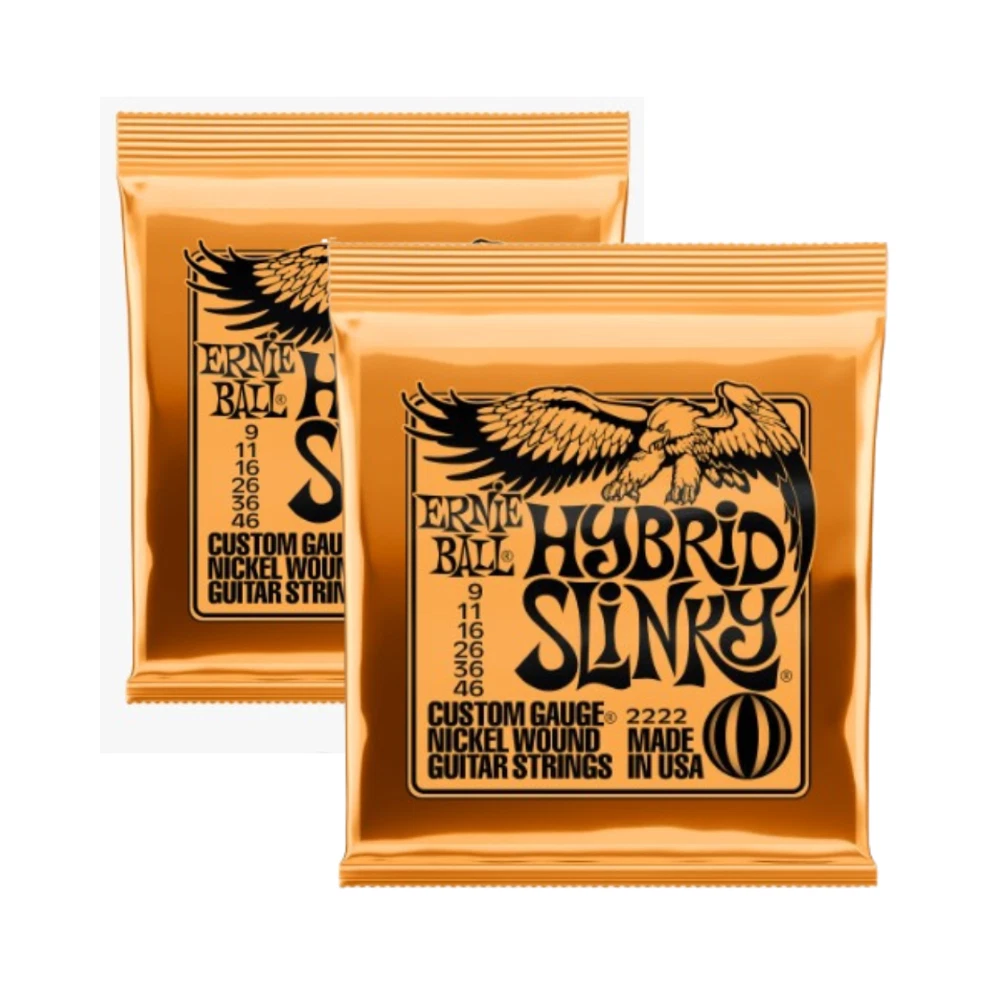
These days players are also fortunate to have other options outside the traditional guitar string sets. Most major manufacturers offer ‘hybrid’ gauge sets, often with features such as a lighter or heavier bass side, or even a wound third string. This gives guitarists the ability to further tailor their guitar for the best playing experience, which was previously only achieved by purchasing multiple different sets and mixing them together.
Beyond playability and tone, string gauge can also affect the setup and intonation of the guitar. Heavier gauge strings exert more tension on the neck and bridge, potentially requiring adjustments to the truss rod, bridge height, and intonation to maintain optimal playability and tuning stability. If your guitar was originally strung with light-intermediate strings from the factory, going a few gauges up may also require your nut slots to be filed accordingly. This type of job is always best left for a professional guitar tech. However, there’s lots of information online for those with a ‘DIY mindset’. When it comes to lighter gauge strings, they exert less tension and may need different setup adjustments to achieve the desired feel and tone as well. Also, if your guitar has tall frets, lighter gauge strings can tend to have a ‘scalloped’ feel when playing.
With 4 stores across Southern California, we’re always buying! Not sure what your instrument is worth? Bring it by the shop or schedule an appraisal online

Ultimately, the choice of guitar string gauge is a highly personal decision that depends on individual playing style, musical preferences, and the specific characteristics of the guitar itself. It’s all about what feels right to you. And while greats like Billy Gibbons of ZZ Top swear by very light gauges such as .08-.38, others like the late Stevie Ray Vaughan often played with significantly heavier .13-.62 gauge strings. There is no ‘right’ answer, and experimenting with different gauges can help you discover your preferred balance of playability, tone, and feel. Whether you’re drawn to the silky smoothness of extra-light strings, the robustness of heavy strings, or something in between, there’s a string gauge out there to suit every player’s needs and preferences. So, go ahead, explore the vast array of guitar string sizes, and find the perfect set to unlock your unique sound and style.
 IVG Blog