
By C.
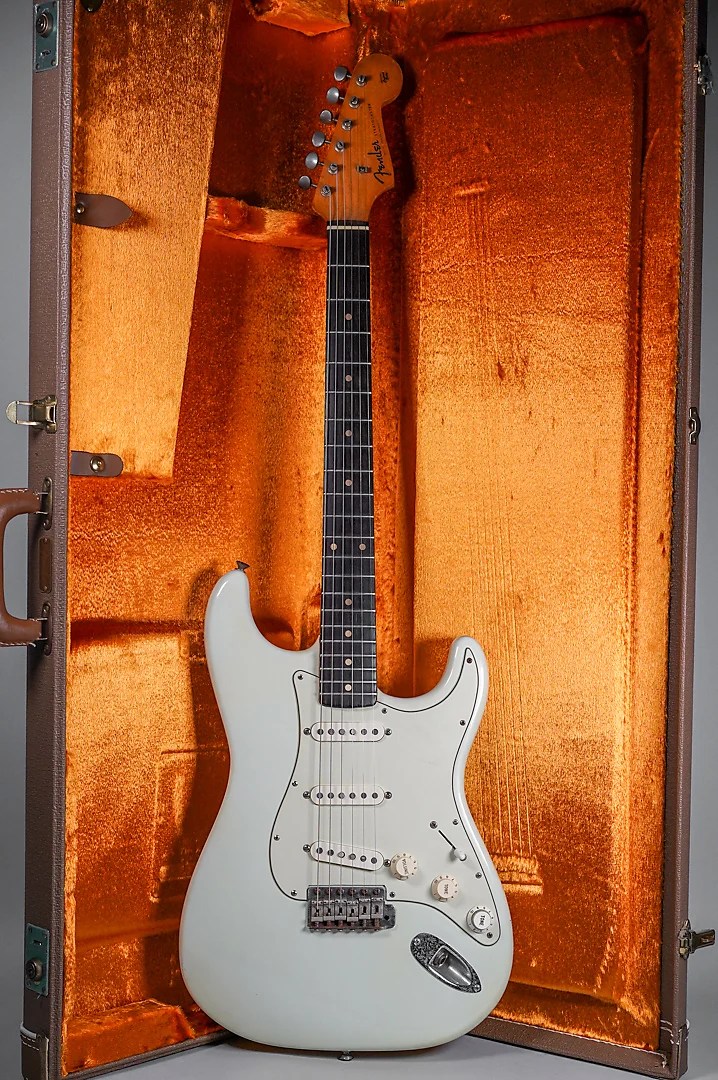
The vintage guitar market has grown exponentially over the last several decades, with more and more folks becoming interested in, purchasing, and selling vintage instruments and equipment of their own. But with more eyes on the ever-growing values of certain pieces, there’s also unfortunately a growing number of refinished guitars and basses being sold as original. Of course, nobody wants to be in a position of buying an item advertised as original only to discover later that it’s refinished.
Do you have a vintage guitar or bass you’d like to sell? Contact us here
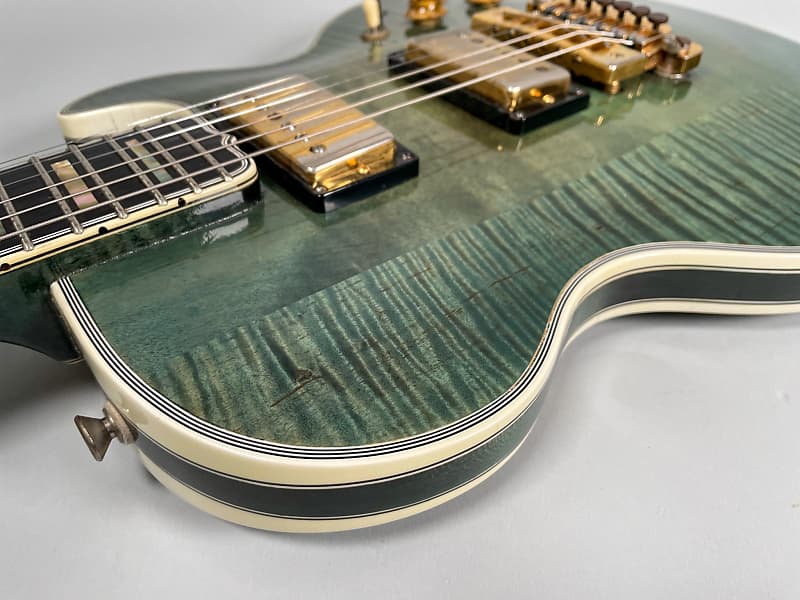
But what’s the big deal? It’s just paint, right? Well, a refinished guitar can significantly affect its market value and sometimes also put its authenticity into question. There are more private sellers and collectors out there today than ever before, some of which might not even be aware that an instrument is refinished, and thus pricing it much higher than would be reasonable to buy in non-original condition.
So today we’ll be looking into some key steps and considerations to help you identify if a vintage guitar has been refinished, and how to proceed accordingly. In some cases, a refinish is strictly necessary or can even add an element of desirability or uniqueness to the guitar. But accurately determining whether a vintage guitar has been refinished requires a combination of careful observation, knowledge of the guitar’s history and specifications, and sometimes, expert consultation.
Visual Inspection: Checking The Finish
This goes without saying, but one is always in a better position to be able to have an in-person look at an instrument’s finish. The ability to get up close and personal is always the trick to making the best judgement, which becomes more difficult when buying a guitar online using only a handful of decent, or poorly taken pictures as your reference.
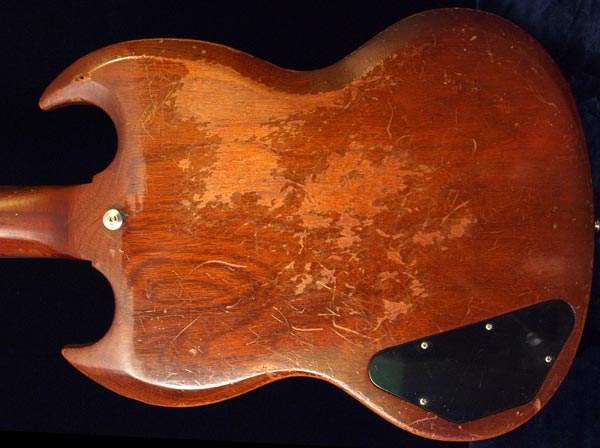
- Texture: Original vintage guitars often have a certain patina or aged texture and wear to their finish. This is hard to replicate even for experts, and a refinished guitar might feel smoother or “newer” and lack this natural aging. Almost all vintage guitars built in the 50’s and 60’s were sprayed in a thin coat of nitrocellulose lacquer, which naturally shrinks and “checks” due to temperature over time. And if it survived the 70’s and beyond, it’s likely that the finish will show wear marks and scratches from belt buckles, stands, straps, and so on. So if the instrument in question has a super glossy, or thick finish with no checking or wear, chances are it’s refinished.
- Inconsistencies: Look for uneven or blotchy areas on the guitar’s body, neck, or headstock. A refinished guitar may have areas where the finish appears thicker or thinner, or not cleanly executed. It’s not easy to finish a guitar, and professional finishes (whether done at the factory or later) will appear smoothly applied, properly sanded and sealed, and clear coated and buffed. Anything less may indicate an amateur attempt at refinishing.
- Color: The color of the refinish may not perfectly match the original color of the guitar. Over time, original finishes can yellow, fade, and even change color due to UV or moisture exposure. But if there’s a dramatic difference in color between different parts of the guitar, it might indicate a refinish.
- Also, for set neck guitars, look closely at the joint where the guitar’s body meets the neck. A refinished guitar might have excess finish buildup in those areas due to the refinishing process.
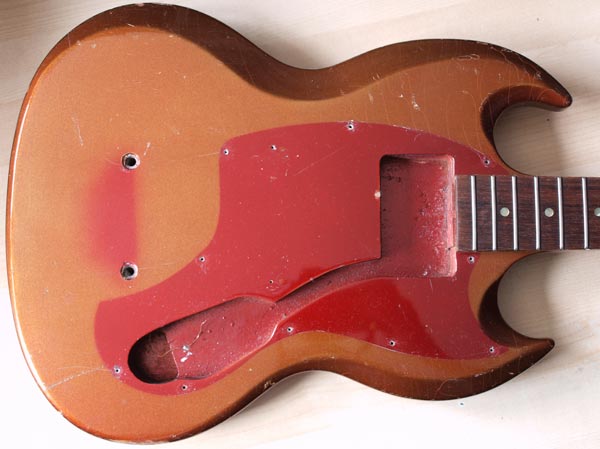
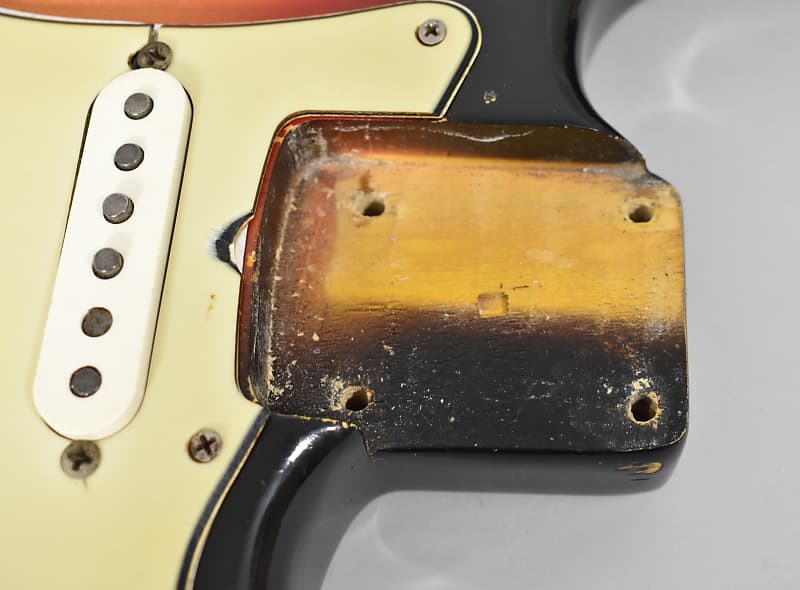
- Hardware: Original hardware might show signs of wear, corrosion, or aging consistent with the guitar’s age. If hardware looks new or lacks these signs, it might have been replaced during refinishing. Also removing parts if able will give you an indication if the hardware on the guitar has been on for a long time or not. If a guitar has the original finish, chances are it will show shadows where the unexposed finish was beneath the parts, or indentation marks where the parts are mounted that usually get sanded away and lost during the refinishing process.
- Electronics: If the guitar has been refinished, there’s a chance that its electronics or pickups may have been replaced or modified. Original components might have date stamps or other markings that can help determine their authenticity. Be mindful of original wiring, original solder joints and examine the finish inside the pickup and electronics cavities.
Did you know we also buy collections? If you need to sell multiple pieces at once quickly and easily, send us an email or give us a call for more info
Historical and Documentation Examination:
- Serial Numbers: Check the serial number against manufacturer records or databases to verify the guitar’s production year and original specifications. Also, many manufacturers made stamps or markings or serial numbers, production dates, names of builders and assemblers in the routs of the instrument. If one or more of these are wiped out, masked, or obscured in a non-natural way, this can indicate a refinish.
- Documentation: Original sales receipts, owner’s manuals, or photos can provide valuable clues. If a guitar was documented in its original finish and the current finish doesn’t match, well….you get the idea.
Consult Experts and Collectors:
- Expert Opinion: If you’re unsure about a guitar’s originality, consult with guitar experts, such as Imperial Vintage, or collectors you trust who have experience with that particular make and model. Most dealers can offer a written appraisal for a small fee which will give you as a potential buyer more clarity on the instrument’s originality and authenticity.
- Forums and Communities: Online forums and communities dedicated to vintage guitars can sometimes be great resources. Members often share knowledge, photos, and experiences that can help identify refinished guitars.
- Value: Refinished vintage guitars typically have lower market value than those with original finishes. If the price seems too good to be true for a vintage guitar, it probably is.. Keep in mind that a refinish is usually done for a reason, and if the guitar is being advertised as a refin, inspect the body and neck closely for any indication of filled routs or structural repairs that may be hiding underneath the new finish.
With 4 stores across Southern California, we’re always buying! Not sure what your instrument is worth? Bring it by the shop or schedule an appraisal online
Smell And Feel: Original finishes can have a distinct smell that changes over time. Just like the interior of an old car or piece of furniture, A refinished guitar might lack this aged smell or have a chemical or faint paint odor from modern finishing materials.
Identifying whether a vintage guitar has been refinished requires a keen eye, attention to detail, and a bit of detective work. While some signs of refinishing are more obvious than others, a combination of visual inspection, historical research, and expert consultation can help you make an informed decision.
Remember, a refinished guitar isn’t necessarily a bad thing—it might still sound and play beautifully. And in many cases, you can end up with a great instrument that would otherwise be out of budget. However, it’s essential to know the guitar’s true history and value to make an educated purchase or investment. If in doubt, always seek advice from trusted experts and do thorough research before making a decision.
 IVG Blog