
By C.
So you just scored a great deal and can’t wait to tell all your friends what a savy and shrewd buyer you are. But after either receiving your package in the mail or rushing home from a local sale to closer inspect your purchase, there’s something not quite right. It happens.
Spotting a counterfeit guitar can be a challenging task, especially with the rise of sophisticated counterfeiters who can replicate even the smallest details of popular guitar models. However, there are several key indicators that can help you identify whether a guitar is authentic or counterfeit. By paying attention to these details, you can avoid purchasing a fake instrument and ensure that you’re getting the quality and value you expect. Keep in mind though, these are basic tips and won’t cover absolutely everything, but should help guide those feeling uncertain about a particular item they have, or are considering buying.
Do you have a vintage guitar or bass you’d like to sell? Contact us here

The very first thing to consider above anything else is..If it’s too good to be true, it probably is. In today’s secondhand market, very few people are looking to undersell any item of significant value. Why would any seller want to let you buy an item for substantially less than any other example currently available? This is where counterfeits and stolen items come into the equation. So be on the lookout and buy with caution. That’s not to say that there aren’t great deals out there, but it’s always best to be armed with knowledge when you think you’ve found an opportunity.
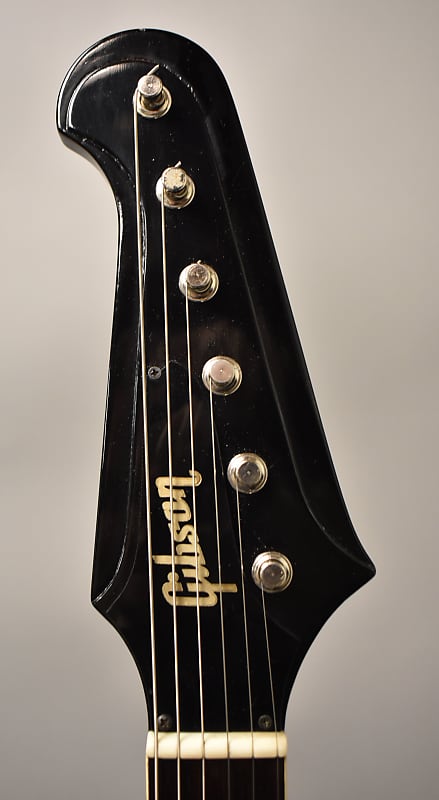
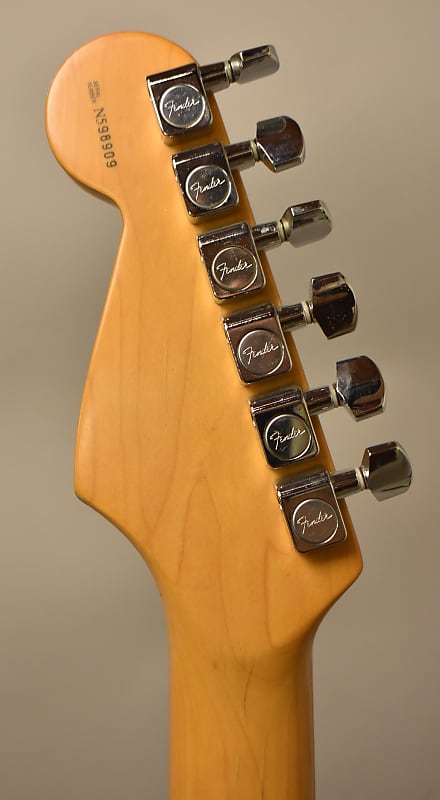
Brand Logo and Markings: First start by examining the brand logo and markings on the headstock of the guitar. Authentic guitars typically have clear, precise, and well-defined logos. If you’re familiar with a particular brand logo, look for any inconsistencies in the font, spacing, or alignment of the logo, as these can be telltale signs of a counterfeit. Additionally, check for any missing or incorrect serial numbers, as authentic guitars generally have unique serial numbers that can be verified with the manufacturer.
Did you know we also buy collections? If you need to sell multiple pieces at once quickly and easily, send us an email or give us a call for more info
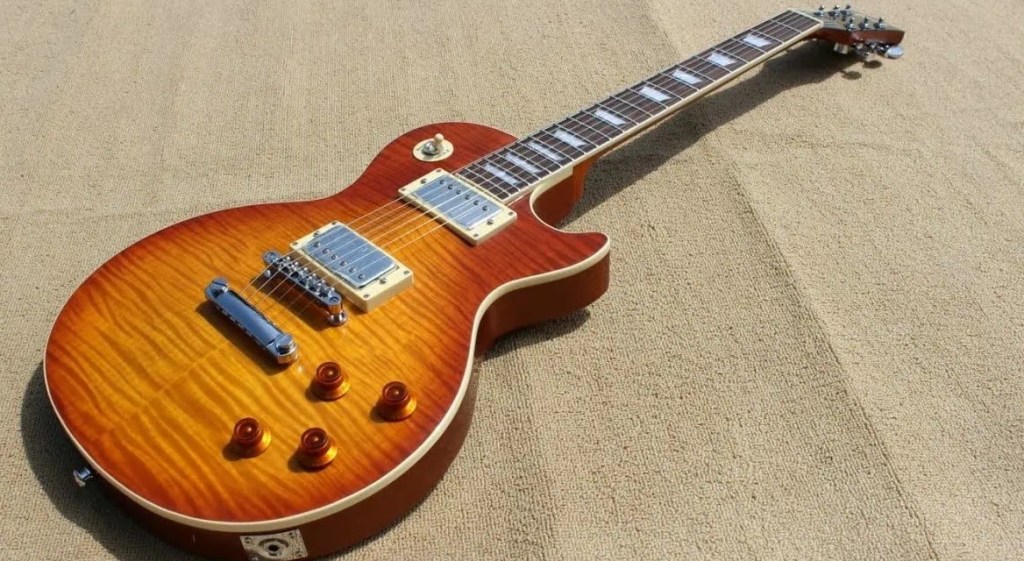
Build Quality and Finish: Counterfeit guitars often lack the attention to detail and craftsmanship of authentic instruments. Inspect the overall build quality, paying close attention to the finish, seams, and edges. Authentic guitars are usually finished with high-quality materials and exhibit smooth, even finishes. Look for any sanding marks, rough spots, uneven paint, or sloppy construction, as these can indicate a counterfeit.
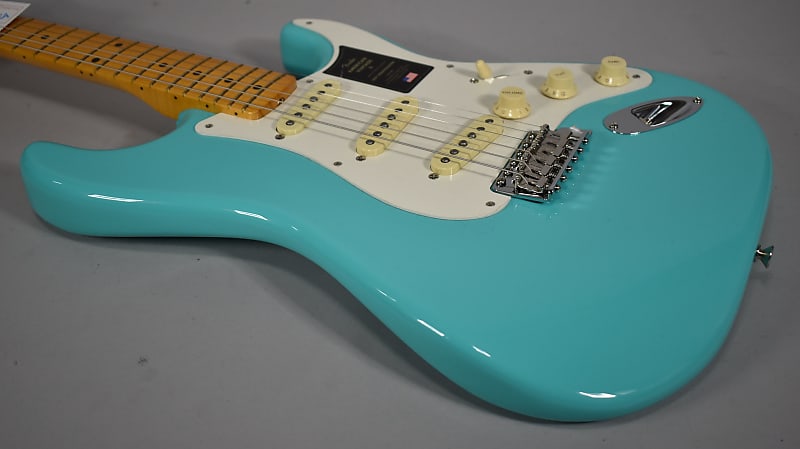
Hardware and Electronics: Genuine guitars typically feature branded hardware and electronics from reputable manufacturers. Examine the bridge, tuners, pickups, and other components for any signs of poor quality or generic branding. Authentic guitars will often have recognizable hardware with clear branding and logos. If the hardware appears cheaply made or lacks branding altogether, it could be a sign of a counterfeit.
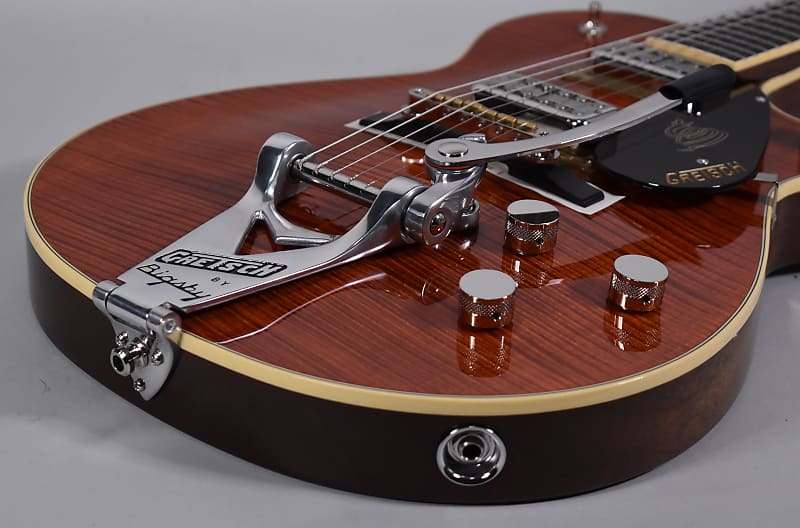
Weight and Feel: Authentic guitars have a certain weight and feel that comes from high-quality materials and construction. Pick up the guitar and assess its weight and balance. Counterfeit guitars may feel lighter or less substantial than their authentic counterparts due to the use of inferior woods and materials. Additionally, pay attention to the neck profile and fretwork – authentic guitars typically have well-finished necks with smooth fret edges, while counterfeits may have rough or poorly finished frets.
It’s also important to mention that we understand not everyone might be able to disassemble a particular instrument in question to verify its authenticity. Or maybe you’re just simply not an expert on specs and components in general and would be unable to properly verify if something is authentic or not. That’s why its always safest to buy from a trusted retailer like Imperial Vintage Guitars, where we have the ability to examine and inspect an item to get the full scoop on a piece prior to advertising it for sale.
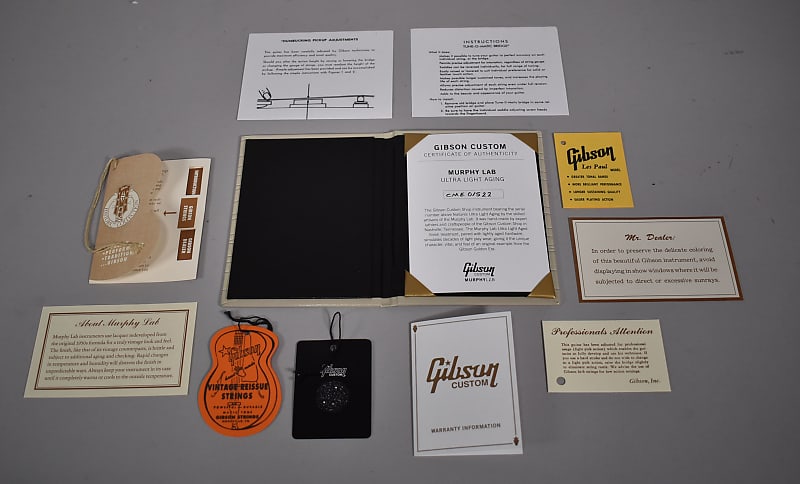
Another aspect to consider is the provenance of the guitar. High-end modern guitars from major manufacturers typically come with some kind of documentation, such as a certificate of authenticity or warranty card from the manufacturer. Be wary of sellers who are unable or unwilling to provide such documentation, as it could indicate that the guitar is not genuine or has a questionable origin.
With 4 stores across Southern California, we’re always buying! Not sure what your instrument is worth? We offer appraisals and pay top-dollar for high-end vintage guitars. Schedule an appraisal here
Spotting a counterfeit guitar requires careful inspection and attention to detail. By examining the brand markings, build quality, hardware, weight, documentation and price, you can better determine the authenticity of a guitar and avoid falling victim to counterfeiters and deceitful sellers. When in doubt, it’s always best to consult with experts or seek verification from the manufacturer before making a purchase.
 IVG Blog