

By C.
Selling a guitar collection can be a significant undertaking, especially if you’ve amassed a diverse or valuable assortment over the years. Whether you’re downsizing, shifting musical interests, or simply looking to liquidate assets, there are several key steps to maximize the value and streamline the selling process.
Do you have a vintage guitar or bass you’d like to sell? Contact us here
Assessment and Valuation: Begin by thoroughly evaluating the collection in question. Determine the make, model, age, condition, and any unique features of each guitar. Research current market trends and prices to establish a fair valuation. Consider factors such as brand reputation, rarity, and historical significance, as these can greatly influence the value. Keep in mind, each piece will likely need to be evaluated by an expert based on condition and originality, if you’re not sure or selling on behalf of someone else.
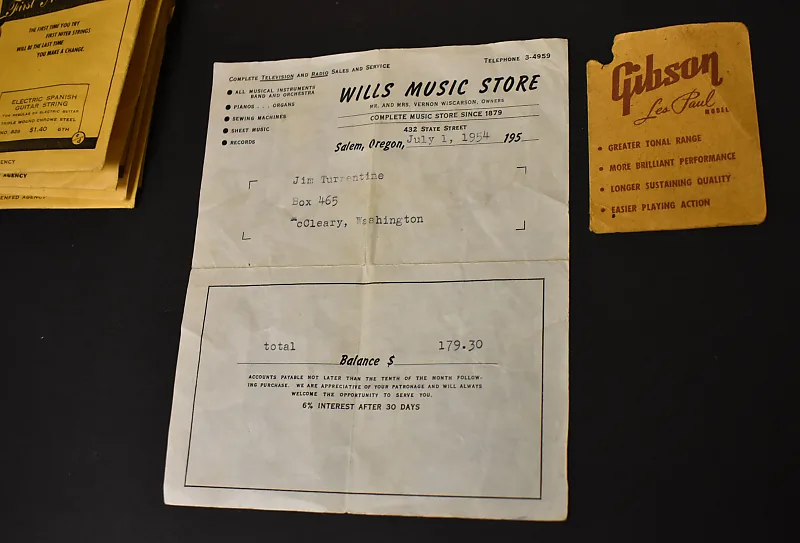
Documentation and History: Collect any relevant documentation for each guitar, including receipts, certificates of authenticity, and maintenance records. Document the history and provenance of each instrument, especially if any have notable ownership or usage by any musicians that may increase its value.
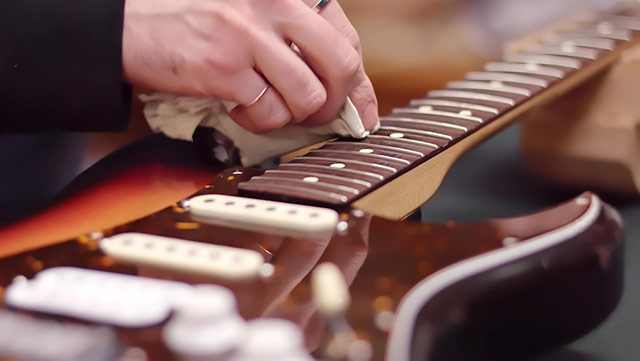
Preparation and Presentation: Clean and polish each guitar to enhance its appearance and appeal to potential buyers. Take high-quality photographs from multiple angles, highlighting any distinctive features or imperfections. Create detailed listings for each guitar, including specifications, condition reports, and asking prices or rough estimates.
Did you know we also buy collections? If you need to sell multiple pieces at once quickly and easily, send us an email or give us a call for more info
Market Research: Identify appropriate marketplaces for selling your collection. Online platforms can offer broad exposure to potential buyers, while specialized guitar forums and social media groups cater to enthusiasts and collectors.
Networking and Outreach: Leverage your connections within the guitar community to spread the word about your collection. Attend local guitar events, workshops, and concerts to network with fellow musicians and collectors. Utilize social media and online forums to reach a broader audience and solicit inquiries.
Negotiation and Flexibility: Be prepared to negotiate with potential buyers to reach mutually acceptable terms. Remain flexible on pricing and payment options to accommodate varying preferences and budgets. Consider offering discounts for bulk purchases or package deals to incentivize buyers.
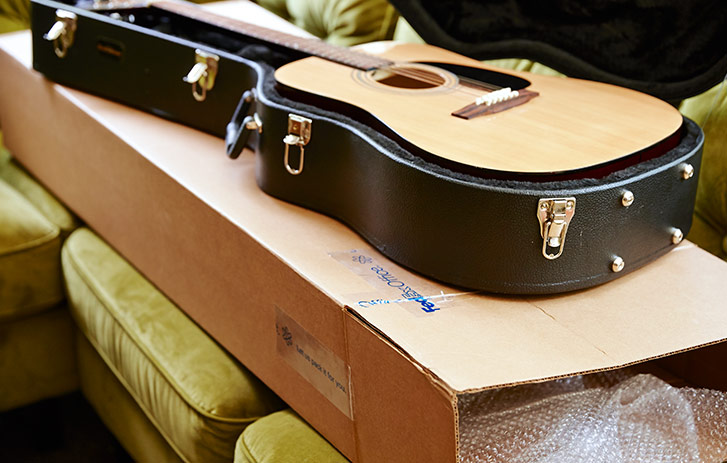
Shipping and Logistics: Develop a clear plan for shipping and handling each guitar to ensure safe and secure delivery to buyers. Invest in quality packaging materials, such as sturdy boxes, bubble wrap, and packing peanuts, to protect against damage during transit. Provide tracking information and insurance for added peace of mind.
Legal and Financial Considerations: Familiarize yourself with any legal and tax implications of selling your guitar collection, especially if you’re dealing with valuable or antique instruments. Consult with legal and financial professionals as needed to ensure compliance with relevant regulations and to optimize your financial outcome.

By following these steps and exercising patience and diligence, you can successfully sell your guitar collection while finding new homes for these cherished instruments. If you find yourself tasked with off-loading a guitar collection but the time and effort involved is hindering factor, consider contacting seasoned professionals like Imperial Vintage. With 4 shops across Southern California, we’re always buying! Our experts can quickly assess your entire collection and make you a strong offer with prompt payment. This can greatly alleviate some of the stress and hassle that comes with selling many instruments at one single time. So if you need us, were here for you! Sell a guitar collection.
 IVG Blog