
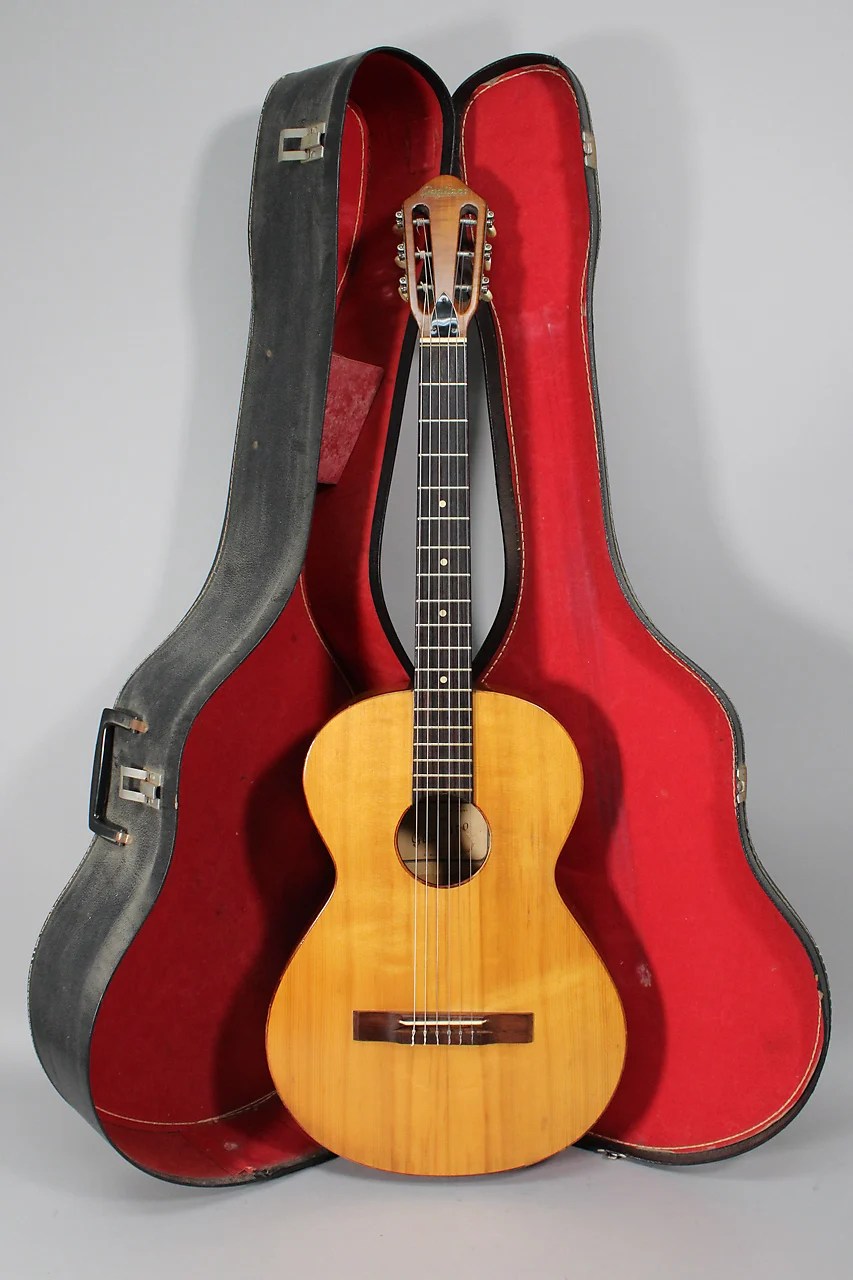
by Randy “ToneMaster” Thompson
Classical guitars, with their nylon strings, warm tones, and timeless designs, stand as a testament to the enduring legacy of classical music. Rooted in centuries of tradition, these instruments have transcended their origins to become beloved across genres. Let’s explore the unique characteristics, craftsmanship, and cultural significance that define classical guitars.

1. A Legacy of Sound: Classical guitars boast a rich and mellow sound, owing to their unique construction and the use of nylon strings. This tonal warmth makes them a perfect fit for classical compositions, where expressiveness and nuance are paramount. The delicate balance of bass, midrange, and treble frequencies creates a harmonious canvas for intricate fingerstyle playing.
2. Traditional Construction: Crafted with precision and care, classical guitars typically feature a wooden body, often made from varieties such as cedar or spruce for the top (soundboard) and mahogany or rosewood for the back and sides. The use of these tonewoods contributes to the distinctive resonance and projection classical guitars are known for.
3. Nylon String Elegance: The use of nylon strings is a defining feature of classical guitars. Unlike steel strings, nylon strings produce a softer and less metallic sound. This gentler tonality is well-suited for the delicate articulation and nuanced expression demanded by classical compositions. The nylon strings also offer a comfortable playing experience, making classical guitars accessible to players of all levels.
Do you have a classical guitar you’d like to sell? Contact us here!

4. Fingerstyle Mastery: Classical guitars are a playground for fingerstyle techniques. With a wide and flat fingerboard, players can explore the intricate art of fingerpicking, emphasizing the nuances of each note. The absence of a pick allows for a more direct connection between the player and the strings, facilitating the dynamic range essential for classical music interpretation.
5. Cultural Significance: Classical guitars have deep cultural roots, especially in the realm of Spanish and Latin American music. The guitar’s journey from a local instrument to a global icon is intertwined with the evolution of flamenco, classical, and folk traditions. Today, the classical guitar is embraced worldwide and has found its place in a diverse range of musical genres.
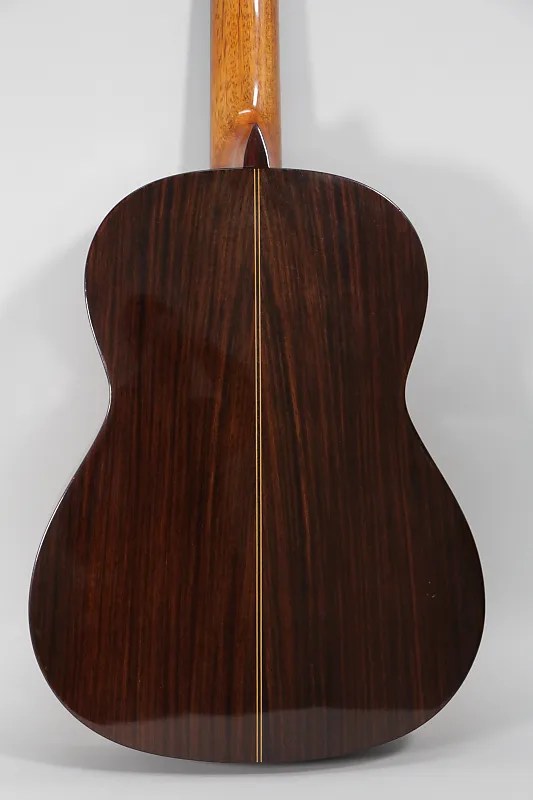
6. The Shape of Tradition: The design of classical guitars has remained remarkably consistent over the years. The iconic hourglass figure, gentle curves, and the absence of a cutaway contribute to their distinctive appearance. This adherence to tradition not only maintains the instrument’s aesthetic appeal but also pays homage to the rich heritage from which it emerged.
7. Versatility Beyond Classical: While classical guitars excel in classical and flamenco genres, their versatility extends beyond these boundaries. Musicians across genres, from folk to jazz to contemporary compositions, have embraced the warm tones and expressive capabilities of classical guitars. This adaptability speaks to the instrument’s timeless appeal.
Do you have a guitar collection you’d like to sell? Contact us here!
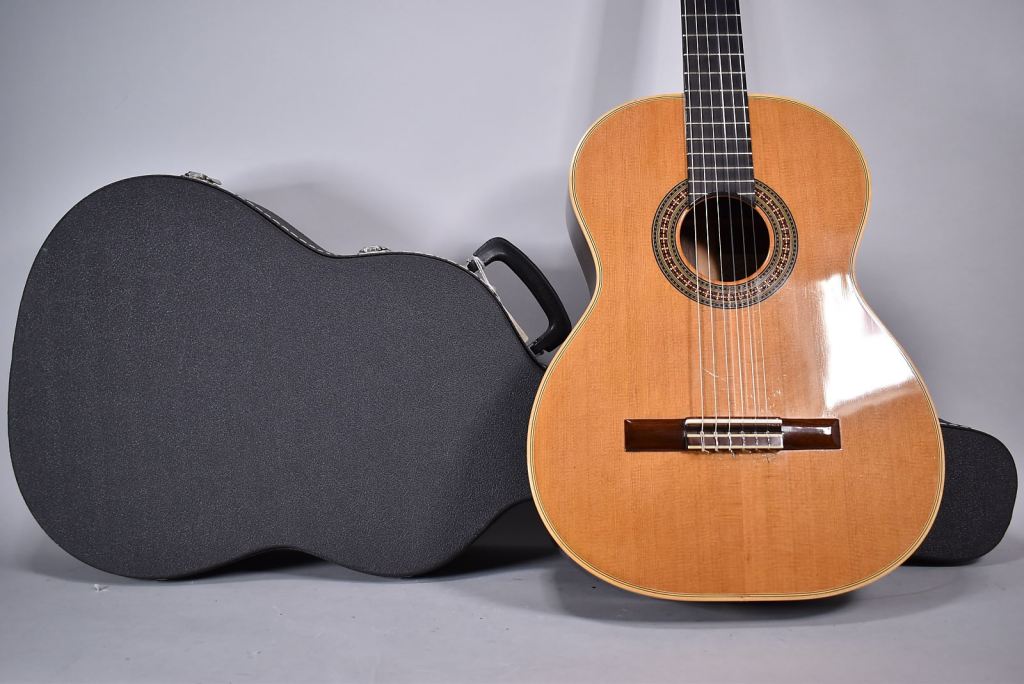
8. Educational Instrument: Classical guitars are often the starting point for many aspiring guitarists. Their softer strings and wide fretboard make them accessible for beginners, allowing students to focus on developing proper technique and fingerstyle playing. The foundational skills learned on a classical guitar can pave the way for exploration in various styles.
9. Luthier Craftsmanship: Many classical guitars are handcrafted by skilled luthiers who bring decades of experience and artistry to their work. The meticulous attention to detail in the construction process ensures that each instrument is a unique work of art, combining functionality with aesthetic beauty.

10. A Bridge Between Eras: In an ever-evolving musical landscape, classical guitars serve as a bridge between musical eras. From the Renaissance to the contemporary compositions of today, these instruments carry the echoes of centuries past, embodying a timeless connection between tradition and innovation.
In conclusion, classical guitars are not just musical instruments; they are vessels of tradition, carriers of cultural significance, and conduits for artistic expression. Their enduring elegance, warm tones, and adaptability make them a cherished companion for musicians across the globe, ensuring that the classical guitar’s legacy continues to resonate through the ages.
Do you have a guitar you’d like to sell? Contact us here!
 IVG Blog