

By C.
Martin guitars are renowned for their craftsmanship, tonal quality, and rich history that spans nearly two centuries. We’ve all seen a Martin, or at the very least heard a them on some of our favorite songs. Founded in 1833 by Christian Frederick Martin, the company has been a pioneer in acoustic guitar design, offering a diverse range of models that cater to various playing styles and preferences. Theres something quite special about Martins, but knowing which model is right for you can be an ordeal if you’re not up to par on Martin nomenclature.
Do you have a vintage guitar you’d like to sell? Contact us here
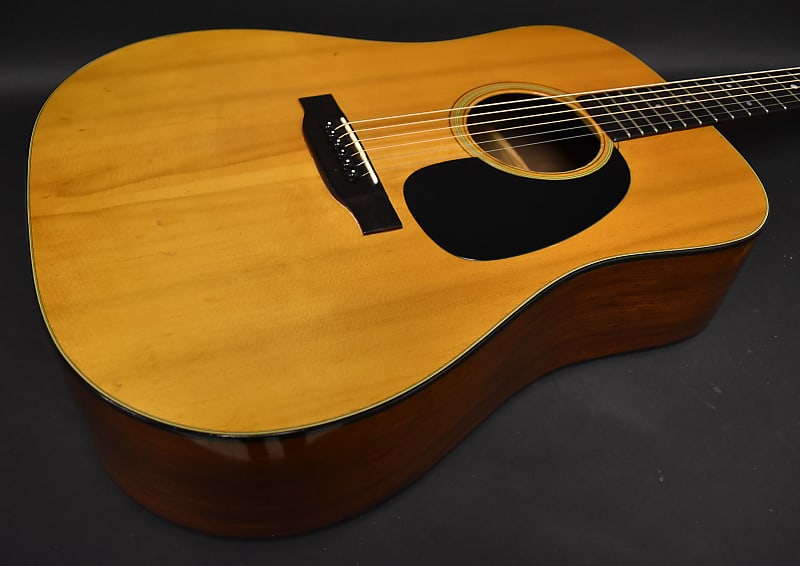
One of Martin’s most iconic models is the Dreadnought, such as this 1968 D-21 for sale here at IVG. Introduced in the early 20th century, the Dreadnought boasts a powerful, balanced sound with a broad bottom end, making it ideal for strumming and flatpicking across multiple genres. Before the days of amplified music, the Dreadnought’s large body size and distinctive squared shoulders offered plenty of volume in a group setting and ultimately made it a staple in the acoustic guitar world.
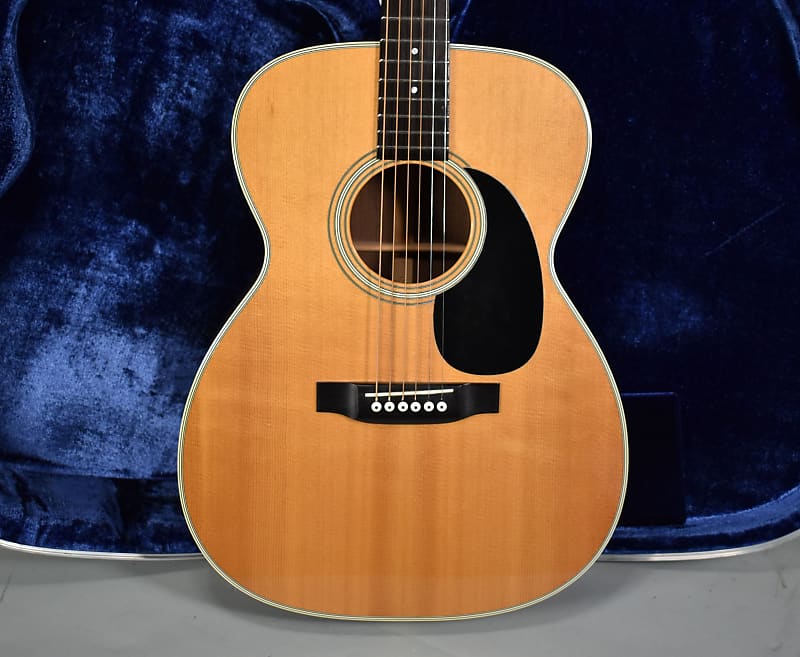
The Auditorium model, also known as the 000, features a smaller body compared to the Dreadnought with a different rounder shape, offering a balanced tone and excellent clarity. Its mid-sized body delivers a versatile sound, blending warmth, projection, and volume. This model has found favor among players who seek a comfortable size with a versatile tonal range, making it suitable for various playing styles. Martin’s come in other 0 sizes as well from small to large. This order goes 0, 00, 000, and M (also known as 0000).
The OM (Orchestra Model) is another classic from Martin that lies somewhere between a 000 and a Dreadnought. Originating in the 1920s, The OM features a 000 body size with a longer 25.4″ “Dreadnought” scale length. The OM is favored by fingerstyle players for its responsiveness, articulation, and slightly higher tension, making it suitable for intricate picking patterns and melodic playing.
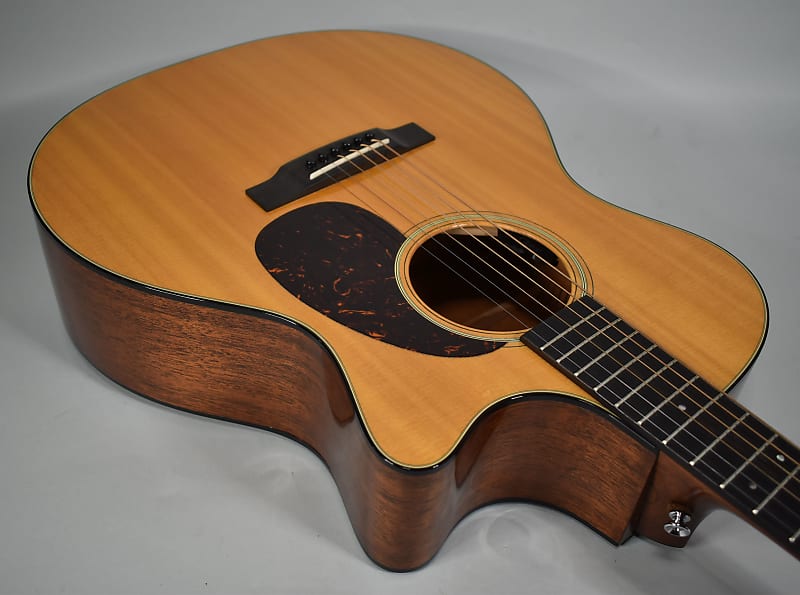
Martin’s Grand Performance (GP) models are relatively newer additions to their lineup. These guitars typically feature a more contemporary design with an ergonomic cutaway body for higher fret access. They still offer a quality Martin sound suitable for both fingerstyle and strumming, making them popular among modern players looking for a balance between tradition and innovation.
Many of the numerical designations for Martin models have to do with the woods used in construction as well as various cosmetic appointments. For example, you may have come across a 000-15, a 000-18, 000-28, 000-42, 43, and so on. This can get a bit overwhelming if you’re totally unfamiliar with the basics of Martin models. The easiest thing to remember is: the higher the number, the higher end the woods and appointments (and usually the price!).
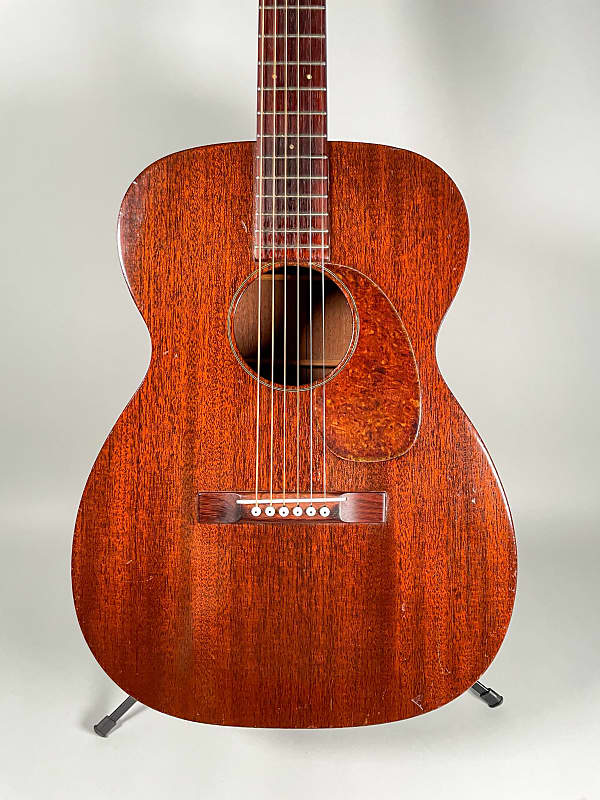
The 15 and 17 series showcase Martin’s commitment to providing quality guitars at various price points. The original 15 and 17 guitars often feature all-mahogany construction, offering a warm and focused sound. The 17’s were finished in a gloss lacquer while the 15’s were satin finished. During The Great Depression, any additional cost would’ve been carefully considered by a potential buyer. The 15’s originally cost $15. Which is roughly equivalent to $300 today.
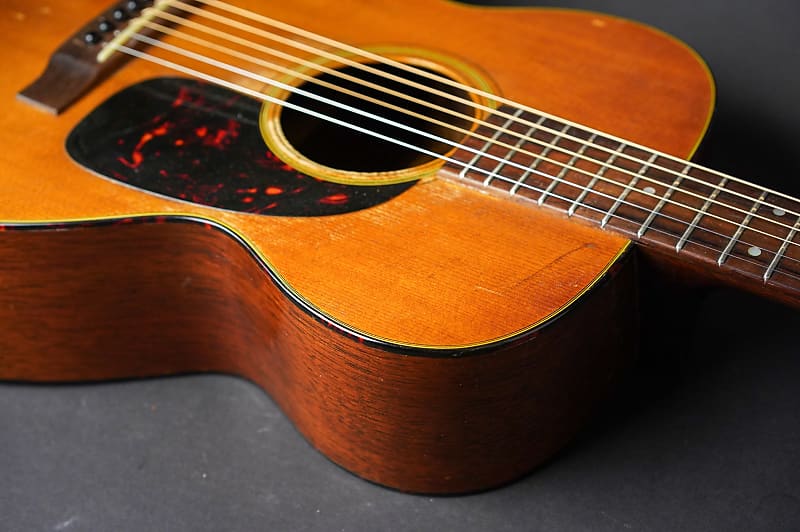
The 18’s, one of the most celebrated offerings by Martin, feature mahogany back and sides like their 15 and 17’s siblings, but with a solid spruce top. Spruce tops are one of the primary factors of giving a Martin their unique chime and top-end sparkle. An 18 series guitar, whether it’s a Dreadnought or single 0, will give you a nice warm balance in sound. Not too bright, not too dark. Some might say it’s the best porridge of all!
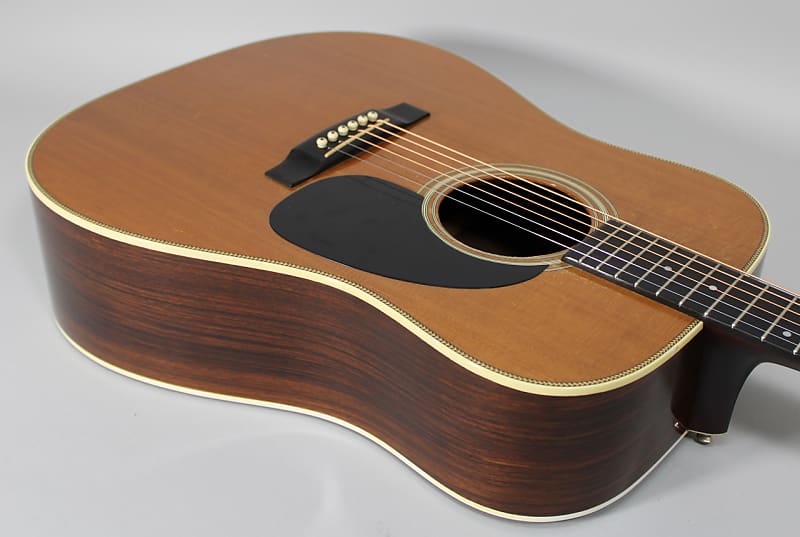
Next we have the 20’s. 21 and 28. But for time’s sake, we’ll focus on the 28, as 21’s are essentially 28’s with 18 appointments. The 28 designation indicates a solid spruce top as did the 18, though the back and sides are now rosewood, which offers players alot more top end brightness in sound as well as visually pleasing aesthetics. Rosewood Martin’s have always been highly sought after, especially in the early days where cutting through a mix of other acoustic instruments was crucial. Rosewood is a much harder wood than mahogany, so vibration is less absorbed and therefore makes the guitars much brighter sonically. 28 models also have a different multi-ply white binding and feature an ebony fingerboard and bridge rather than an 18’s rosewood. 28’s are very high end guitars and will almost never disappoint anyone looking for a great Martin.
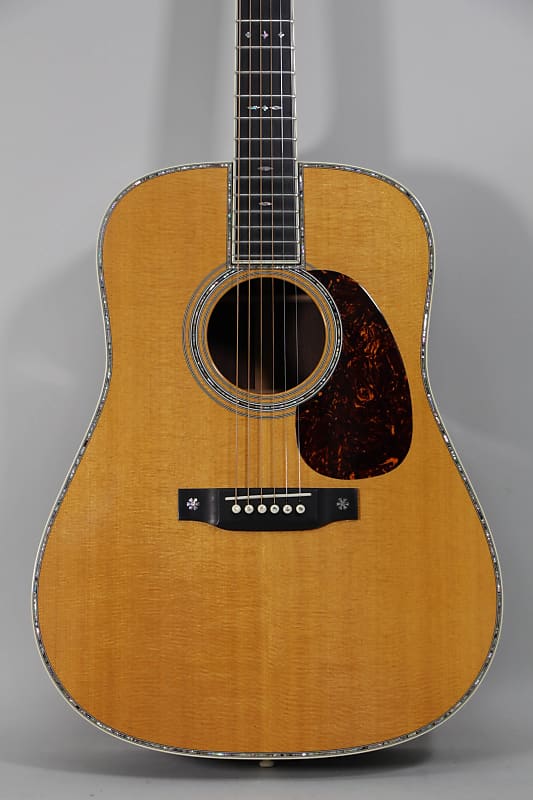
Finally, the big guns. The 40 series guitars. This includes 41, 42, and 45’s. These guitars were embellished with abalone and pearl inlay, and feature similar tonewoods to the 28’s. Certainly the fanciest and most captivating of all the Martin models, the various designations of style 40’s guitars have a lot to do with where the pearl is or isn’t inlaid on the instrument. If you’ve been following along you might guess that the absolute top of the line would be the 45, which has the iridescent material inlaid almost everywhere on the guitar. The pre-war D-45 specifically is the most iconic and desirable acoustic guitar of all time, though be prepared to pay 7 figures to purchase one in excellent condition. Thankfully, Martin continues to produce these guitars for modern players to enjoy at a much more attainable price point. Take a look at this 2012 D-42 that we currently have in our shop. It’s a stunner!
Martin today has expanded its offerings to cater to almost all specific player preferences. For those seeking a vintage-inspired instrument, Martin offers the Authentic series. These guitars are meticulously crafted to replicate the specifications, materials, and construction techniques of the company’s early models. They appeal to collectors and enthusiasts who appreciate historical accuracy and the classic Martin sound.
In addition to their standard or Authentic series models, Martin has collaborated with renowned artists to create signature models that reflect the preferences and playing styles of these musicians. These signature guitars often incorporate unique features, tonewood combinations, and design elements inspired by the artists’ specifications and preferences.
Moreover, the company occasionally releases limited-edition models that celebrate milestones, historical events, or significant anniversaries. These guitars often showcase unique aesthetics, rare tonewoods, and special embellishments, appealing to collectors and enthusiasts seeking exclusive instruments.
Whether it’s the iconic Dreadnought, the nuanced tones of the OM, or the versatility of the Auditorium, the company continues to produce instruments that resonate with musicians across genres and generations. Martin’s diverse range of models, signature editions, limited runs, and sustainability initiatives cater to a wide spectrum of musicians, ensuring that there’s a Martin guitar suited for every player’s taste, style, and ethos. This guide doesn’t cover *every* model Martin has produced since 1833, but hopefully will bring some insight to shapes, size and woods to help you make a more informed decision when choosing your next Martin.
 IVG Blog