
By C.
The Fender Bassman stands as one of Fender’s biggest homeruns in their long history of amplifier production. It’s been an integral part of audio electronic history, with a legacy that has left a major mark on the world of music and amplification design as a whole since its introduction in the early 1950s. Born out of Leo Fender’s relentless pursuit of better sound and amplified music, the Bassman has become a cornerstone in the evolution of electric guitar amplification.
Do you have a vintage guitar you’d like to sell? Contact us here
The story begins in 1951 when Leo Fender, a radio repairman and inventor, introduced the original Fender Bassman as a bass amplifier. The initial model, the “5B6,” was a 26-watt amp featuring a single 15-inch speaker. However, it didn’t take long for guitarists to recognize its potential for creating a rich, warm tone for their instruments as well. This unintended shift in usage sparked a transformation in the music industry and would pave the way for the birth of the high output tweed sound.
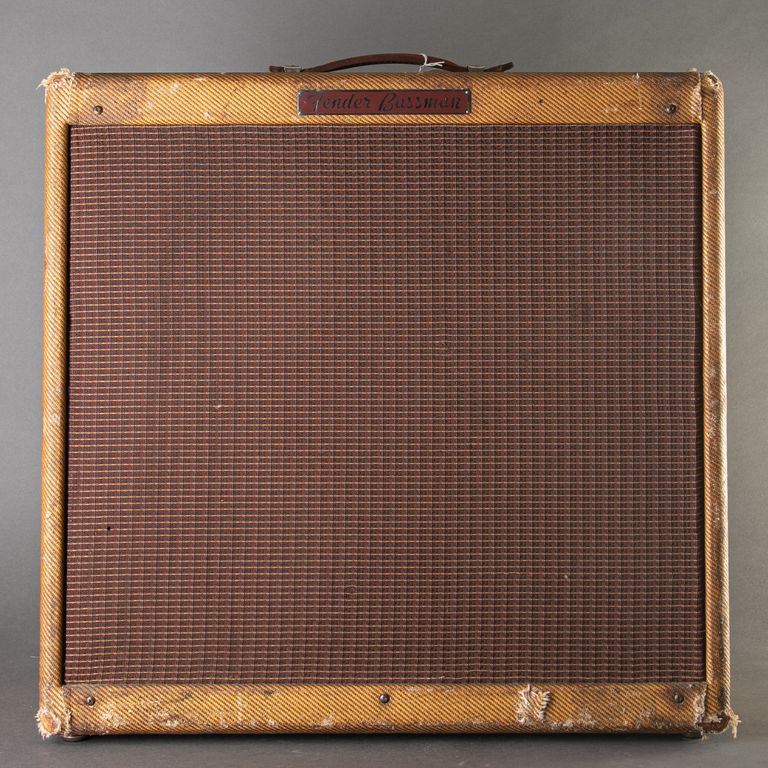
In 1955, Fender made some crucial modifications to the Bassman that would further shape its destiny. The design transitioned to a 4×10 speaker configuration, producing a more balanced sound. The amp also received an updated look with a new cabinet, known as the “narrow panel” version. These changes not only increased the amp’s power but also enhanced its suitability for electric guitars. Guitarists quickly gravitated towards the updated Bassman for its exceptional clarity, making it a preferred choice in a rapidly growing new market.
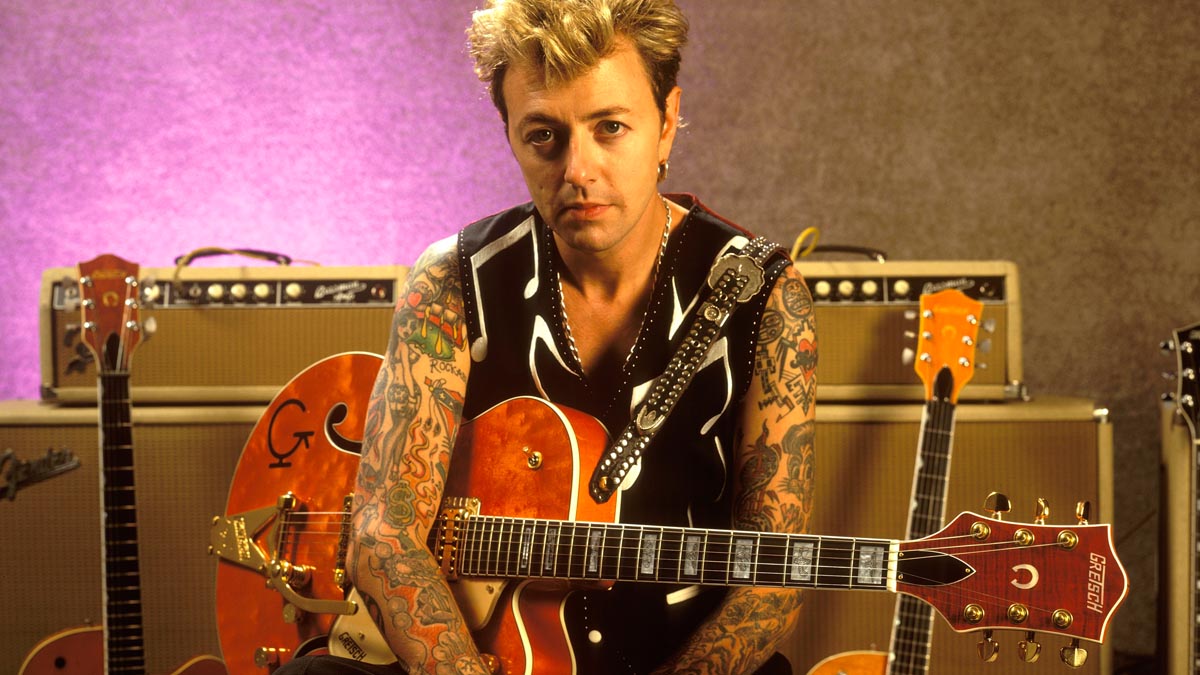
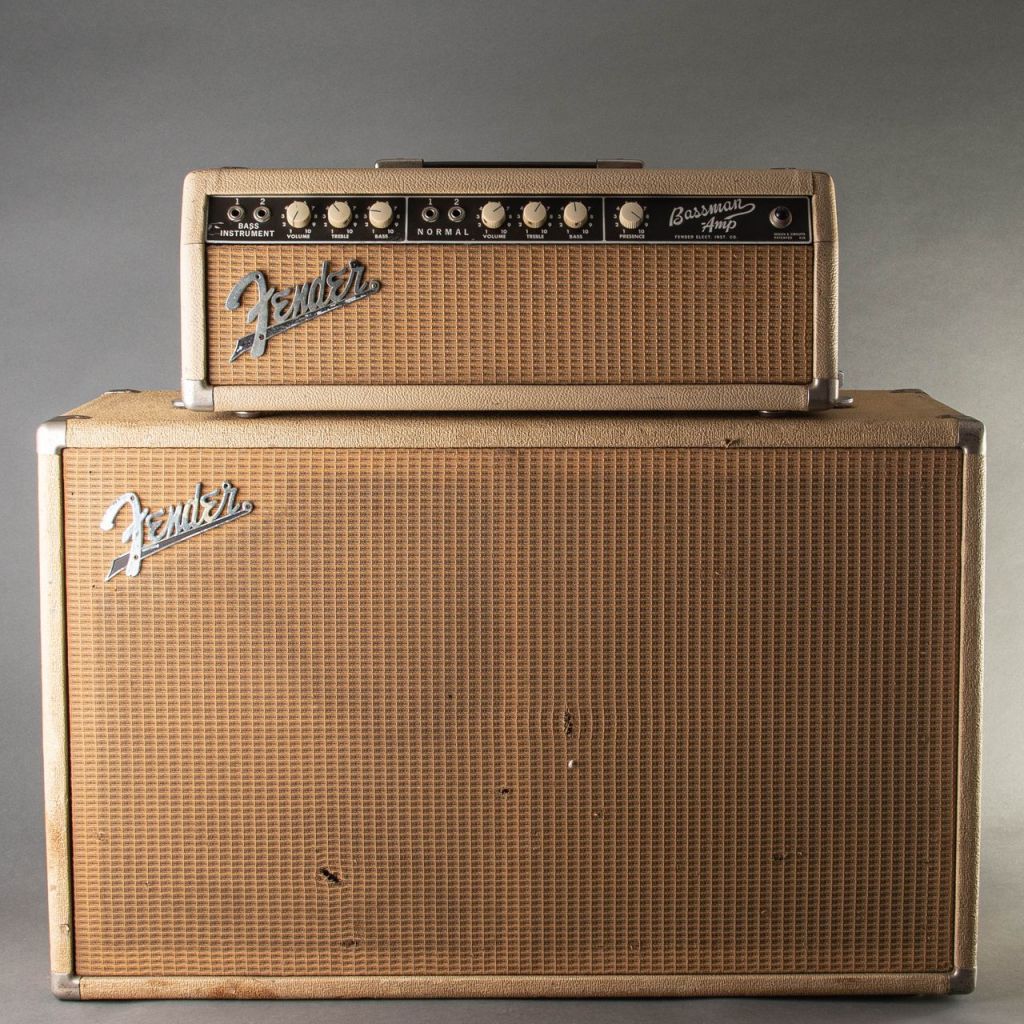
The Fender Bassman, like Fender’s other tweed amps of the 1950’s, went through another cosmetic and circuit design change in the early 60’s. This era of Bassmans were offered in a head and cabinet form rather than the earlier 4×10 combo configuration. They were now covered in blonde or brown tolex and the circuit was also slightly altered, known as the 6G6, 6G6-A and 6G6-B models. These amps had a little bit more of a midrange “honk” to them, but became quite popular in their own right. Artists like Brian Setzer have favored the blonde Bassmans for much of his career. It’s also rumored that Marshall based their early amps on the 6G6 Bassman circuit, rather than the tweed circuits which is most commonly believed.
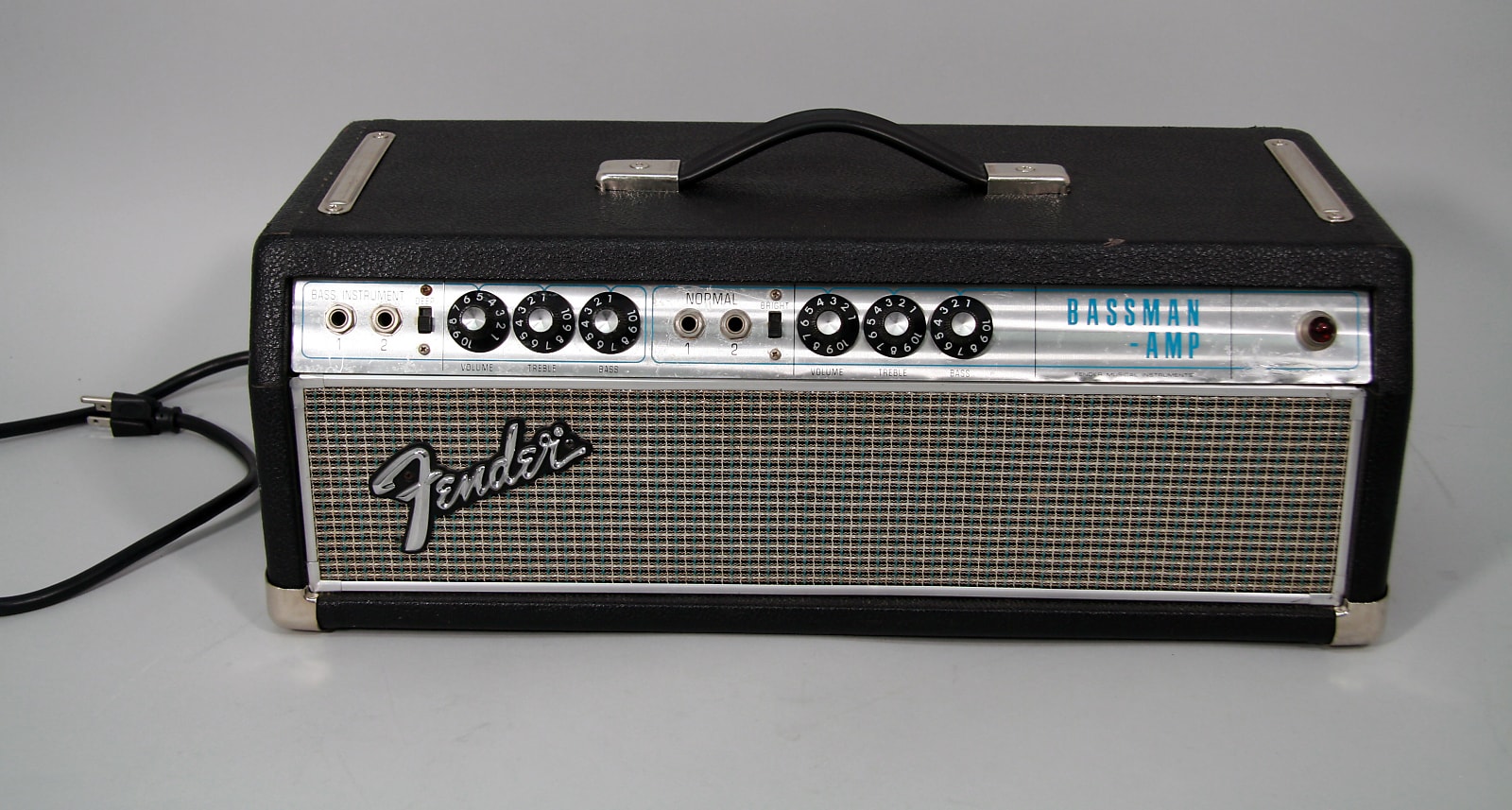
The late 1960s and early 1970s saw the Bassman undergo further changes. Fender first introduced the “Blackface” Bassmans, still in piggyback head and cabinet form, from 1964-1967. Later came the “Silverface” series, characterized by a silver control plate and blue lettering. While many of these changes were cosmetic, they also began to change the circuit once again with various new components and wiring. The Silverface era marked a period of evolution for the amp. Fender even resumed making Bassman combos during this time with amps such as the Bassman Ten, the first Bassman in a 4×10 combo since 1960.
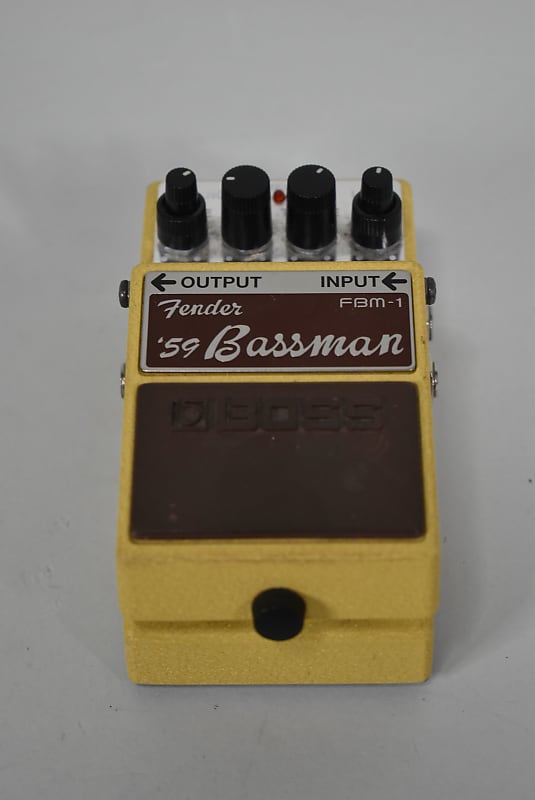
Over the years, various versions and reissues of the Bassman have been released, catering to the diverse needs of musicians. Fender has even collaborated with Boss to create the ’59 Bassman effects pedal in recent years, which aims to capture the unique tones of the tweed narrow panel Bassman amps. The Bassman’s versatility has made it a staple in a wide range of genres. Its ability to deliver a clean, powerful sound has earned it a strong reputation to generations of players seeking a reliable and classic amplifier.

The Fender Bassman’s influence extends beyond its own brand. Its distinct tonal characteristics have inspired countless amplifier designs and served as a benchmark for what a good clean guitar tone should sound like. Many boutique amplifier builders have drawn inspiration from the Bassman, creating their versions with modern improvements while paying homage to the original circuit.
The Fender Bassman amplifier’s journey from a bass amp to a guitar icon is a testament to its enduring appeal and the serendipity of musical innovation. Its long and rich history, marked by accidental discoveries and intentional improvements, has left an indelible mark on the world of amplified music. Whether played by legends of the past or embraced by contemporary musicians, the Fender Bassman continues to shape the sonic landscape of electric guitar music, embodying the essence of timeless tone and innovation.
 IVG Blog