
By C.
Locking tremolo bridges are a revolutionary design in the world of electric guitar. Often misunderstood, they remain a key component of many electric guitars and music of the 1980’s that offered players a dynamic range of pitch modulation and the ability to execute expressive techniques like dives, pulls, and flutters. Essentially, these bridges provide a means of altering the tension of the strings, thereby changing the pitch of the notes produced. While traditional tremolo systems allow for some degree of pitch manipulation, locking tremolo bridges take it a step further by incorporating locking mechanisms that enhance tuning stability and sustain.
Do you have a vintage guitar that you’d like to sell? Contact us here

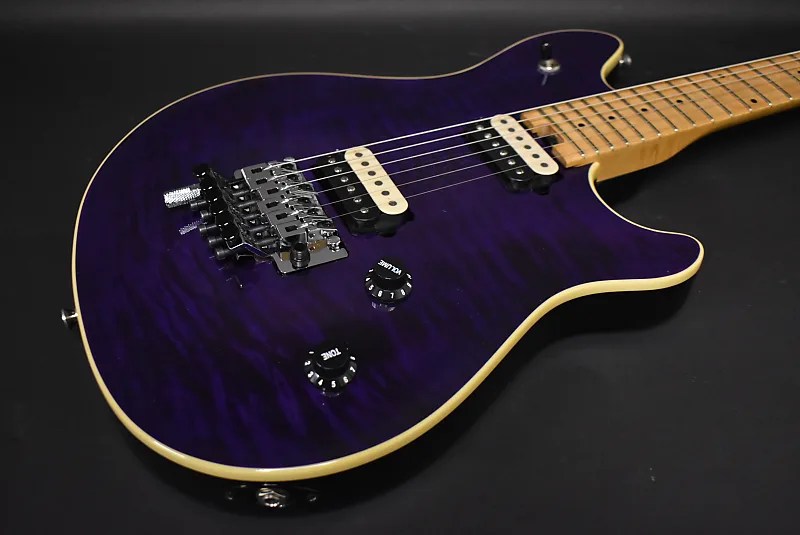
At the heart of a locking tremolo system is the locking nut, as seen on this 1998 Peavey EVH Wolfgang for sale here at IVG. Unlike the standard nut found on most guitars, a locking nut has clamps or screws that secure the strings in place. This prevents slippage and ensures that the strings maintain their tension, even during aggressive whammy bar use. The locking nut style and method of installation varies between manufacturers, but it’s a critical element in the design of any locking trem system because it addresses one of the most common issues associated with standard tremolos—string slippage and subsequent detuning.

Floyd Rose, one of the earliest and most well-known locking tremolo system since the late 70’s, originally required their locking nut be installed in place of the guitar’s existing nut and bolted all the way through the neck itself. Known as a “rear mount”, This required substantial modification to the guitar, and as a result, many vintage guitars that were modified or “floyded” were no longer considered original by dealers and collectors. Floyd Rose himself installed one of his early designs on his 1957 Stratocaster. Boy, those were the days! Later on, the locking nut was mounted only to the top surface, but still required a “stair-step” route to the area to accommodate the larger Floyd nut.
Kahler, the other major locking tremolo manufacturer since the 1980’s, features a “behind the nut” locking nut. This design allows for the nut to be mounted with less severe modification than a Floyd nut with just a few extra screw holes on the headstock. However, it’s known that the “behind the nut” design can be less stable than the aforementioned Floyd Rose design.
One of the primary advantages of any locking tremolo bridge is its ability to maintain tuning stability, even under heavy use of the tremolo arm. This is especially important for players who engage in techniques such as dive bombs or wide pitch bends. Traditional tremolos can struggle to return to the original pitch after intense use, leading to the need for frequent tuning adjustments. Locking tremolo bridges significantly reduce the likelihood of tuning issues, allowing players to perform with confidence and precision.

The locking mechanism on the bridge itself complements the locking nut, offering a dual-locking system. As the strings pass through the bridge saddles, they are also clamped down, preventing any slippage. This additional point of contact enhances the overall stability of the system. The combination of a locking nut and bridge ensures that the strings are firmly anchored at both ends, minimizing the potential for tuning fluctuation.
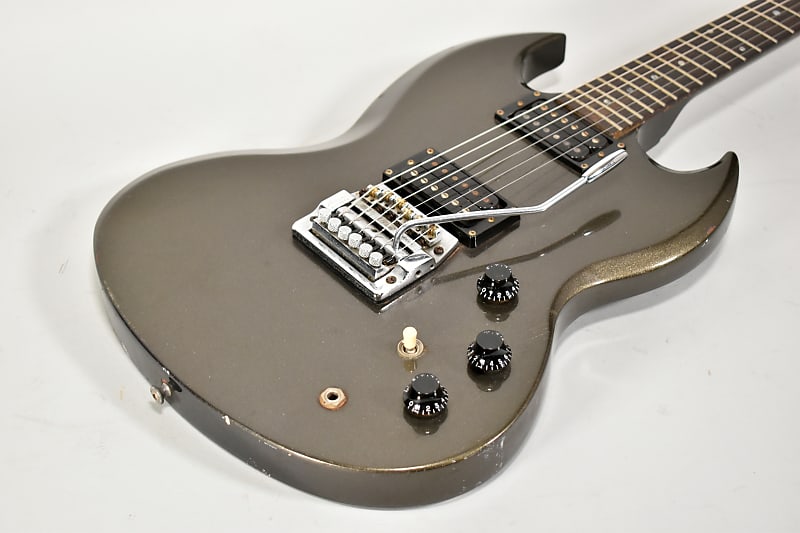
Floyd Rose tremolos and Kahlers have slightly different designs that affect how the strings are anchored and locked in place. Floyds require that you clip the ball-end of the string and insert it from the top and secure it in place with an allen key. Kahlers, on the other hand, allow the strings to feed in horizontally behind the bridge, which is much more familiar to guitarists coming from a traditional top mounted bridge design.
Another noteworthy feature of locking tremolo bridges is their impact on sustain. The enhanced stability provided by the locking nut and bridge contributes to better string resonance and vibration transfer. As a result, notes sustain for a slightly more extended period, allowing players to achieve richer tones and more expressive playing. This increased sustain is particularly advantageous for genres that rely on prolonged notes and sustained chords.

Installing and maintaining a locking tremolo system requires some skill and attention to detail. String changes, for example, can be a bit more involved due to the locking nut. However, many players find that the benefits of improved tuning stability and sustain outweigh the additional effort required for maintenance. It’s important to note that Floyds, Kahlers, and other locking systems such as the Ibanez Edge, are mounted to guitars differently as well. Floyds were originally designed for installation on Stratocasters, so the Strat trem and spring route is necessary for the original Floyd design. Kahlers are top mounted, meaning that a route into the body is required to make a cavity for the Kahler to drop into.

These systems have become iconic in the world of electric guitar playing, particularly in genres like rock and metal where extreme tremolo use is common. Many guitarists appreciate the reliability and performance of locking tremolo bridges, making them a staple feature in high-performance electric guitars. Legends like Eddie Van Halen, and Dimebag Darrell of Pantera have made the Floyd a key element of their signature sounds. While notable Kahler users include Kerry King and Jerry Cantrell. Each system has its fans and loyalists, but many guitarists opt to have both, as they each have their pros and unique features that facilitate expressive playing (which is what it’s all about in the first place!)
Locking tremolo bridges represent a significant advancement in electric guitar technology, addressing the challenges associated with traditional tremolo systems. By incorporating locking nuts and bridge mechanisms, these systems offer enhanced tuning stability, sustain, and the freedom to explore a wide range of playing techniques not previously achievable. While they may require a bit more effort in terms of maintenance, the benefits they provide make them a valuable asset for players seeking precision and reliability in their performance.
 IVG Blog