

Fender’s custom colors from the 1950s and 1960s represent a fascinating chapter in the history of electric guitars. During this period, Fender offered a wide range of unique and eye-catching finishes that set their instruments apart from the competition. These custom colors not only played a significant role in the aesthetics of Fender guitars but also added to the mystique and desirability of these iconic instruments.
Do you have a vintage guitar or bass you’d like to sell? Contact us here
In the early 1950s, the electric guitar market was still in its infancy, and Fender was at the forefront of innovation. The introduction of the Telecaster and the Stratocaster, two of the most influential electric guitar models ever created, marked the beginning of Fender’s legacy. These guitars were initially available in a limited range of standard colors, such as Butterscotch Blonde for Teles or Sunburst for Strats. However, as Fender’s popularity grew, they began to experiment with more colorful finishes to cater to the individual tastes of musicians and collectors.
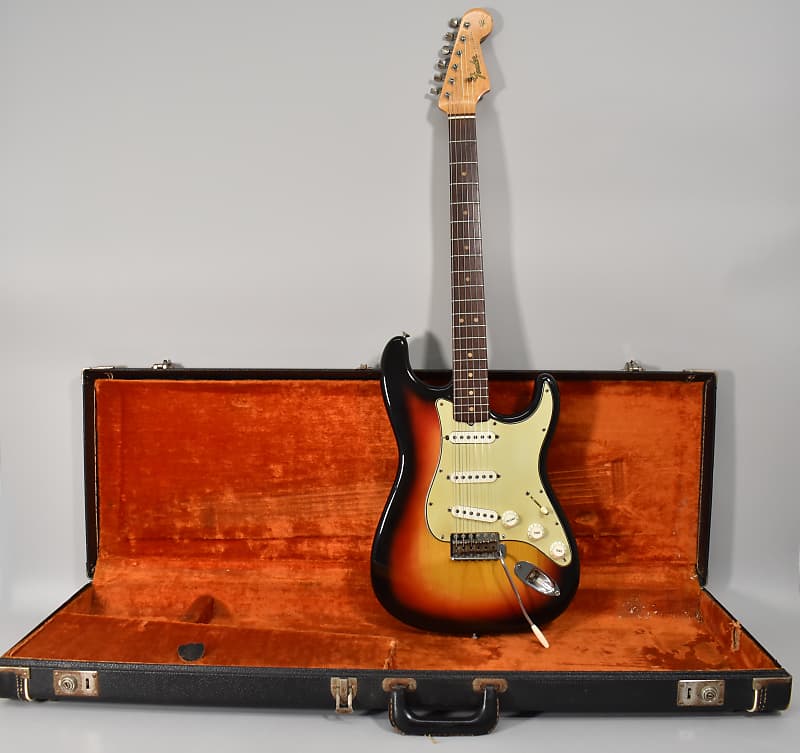
Fender followed the tradition of using a transparent Sunburst finish on many of their guitars, as the color had been long used on orchestra instruments and acoustic guitars from other manufacturers for many decades prior. But Fender first introduced their own unique finish on their Telecaster and Esquire models in the early 50’s, known as “Butterscotch Blonde.” This blonde finish was a transparent, natural wood grain that showcased the beauty of the guitar’s ash body. It became the standard finish used on Telecaster models and set the stage for Fender’s future exploration of custom colors.

Soon after, the company introduced “Mary Kaye Blonde” for Stratocasters, a finish named after the famous American guitarist. This finish was featured a more transparent white lacquer over an ash body, giving the guitar an elegant, sophisticated look. It was an immediate hit and even became the new standard color for Telecaster models in 1954. Original Mary Kaye Strats remain a highly sought-after model among collectors today.
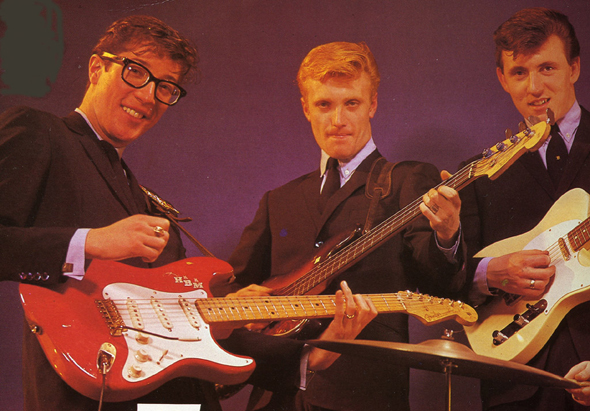
The late 1950s saw the introduction of several other custom colors. One of the earliest true custom colors for Fender was black, as it had to be special ordered and was not a standard color on any production model. Few examples of factory black Fenders are known to exist, and tend to fetch high prices when they come up for sale on the vintage market. During this period, Fender also unveiled the “Desert Sand” finish on their student model Duo Sonic and Musicmaster models. This was a muted off-white color usually paired with a gold anodized pickguard, which exuded a classic, 1950’s aesthetic. And shortly thereafter, “Fiesta Red” made its debut. Its vibrant, eye-catching hue became an instant favorite among guitarists and enthusiasts partially due to the popularization from The Shadows’ guitarist Hank Marvin in the UK.
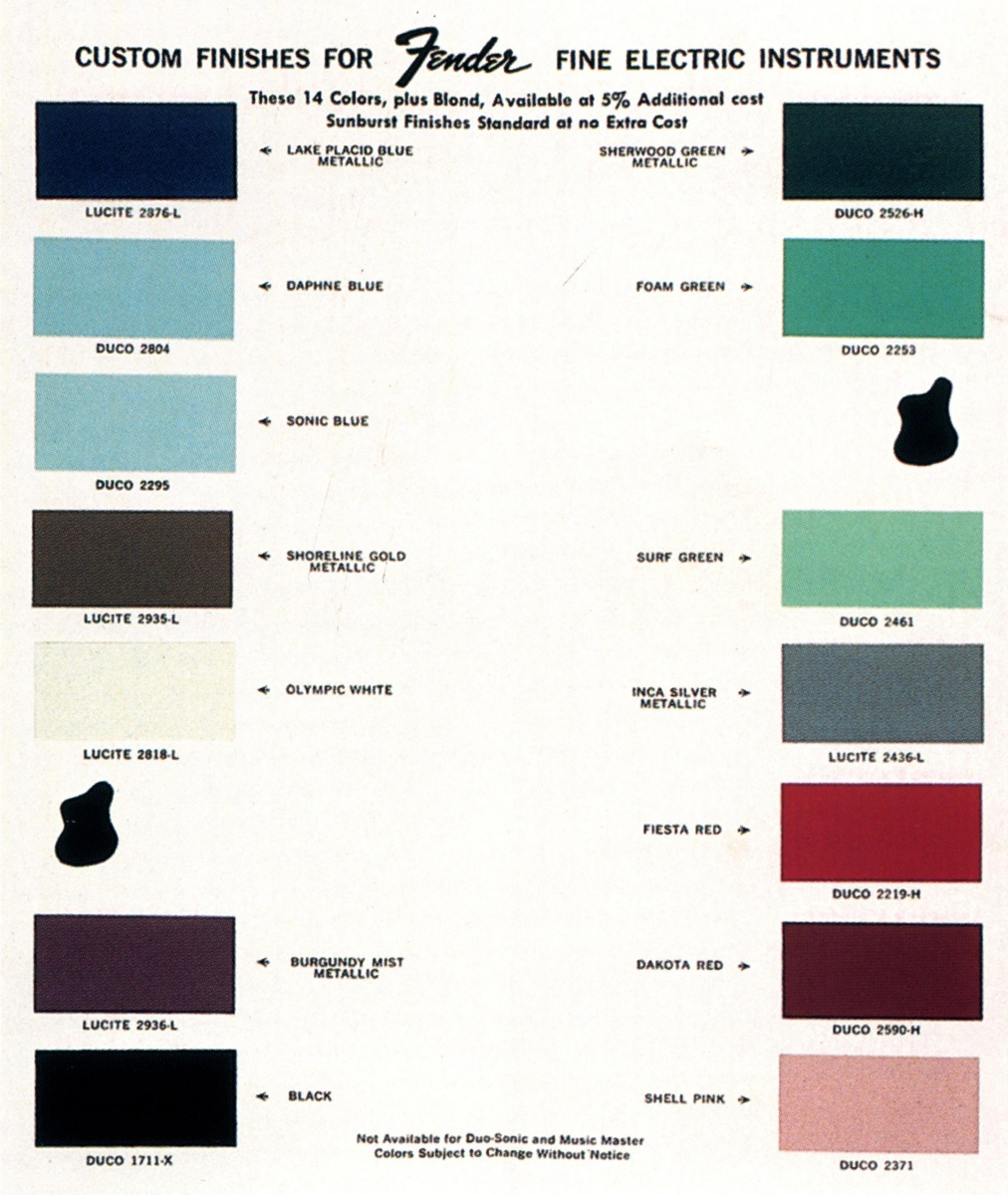
As the 1960s rolled around, Fender continued to expand its custom color palette. In 1960, the company introduced “Sonic Blue,” a light, pastel blue, as well as several other custom colors such “Burgundy Mist”, “Sherwood Green”, and “Shell Pink” which all became available in the early 1960s. Fender had closely examined the striking color offerings from America’s major automobile manufacturers and compiled many of those colors to use on their various solid body guitars and basses. These new offerings appealed to musicians seeking a more unique and personalized look for their instruments, and emerging bands could now be seen playing the local “Sock Hop” with matching Fender guitars and basses, or simply boasting that their Shoreline Gold Telecaster was the same color as their dad’s new Pontiac.
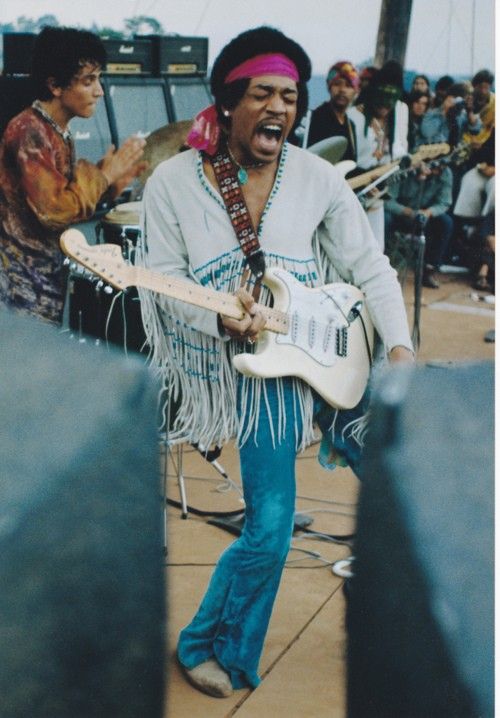
One of the most famous custom colors from this era is “Olympic White,” a stark bright white unlike the previously seen blonde finishes. This bright, clean white finish would often yellow over time but became synonymous with the mid-late ’60s Strats. Famously wielded by legendary guitarists like Jimi Hendrix, who played an Olympic White Stratocaster during many of his legendary live performances, the color remains one of the most recognizable and coveted vintage Fender finishes of all time.
Fender’s decision to offer custom colors was truly a game-changer for the industry. It allowed musicians to express their individuality through their instruments, and these unique finishes became a significant part of the Fender appeal. These vintage custom-colored Fender guitars are now highly sought-after by collectors and players alike, not only due to their scarcity and value, but also for their distinctive and classic look.
Original Fender custom colored instruments from the 1950s and 1960s are seldom seen today, but thankfully many current models are still available from Fender in all the celebrated colors we’ve all grown to love. These colors remain a treasured representation of a bygone era in the world of electric guitars, continuing to captivate the hearts of musicians and collectors around the globe.
Own a custom color Fender you’d like to have appraised? Send us an email for more info
 IVG Blog