
by Randy “ToneMaster” Thompson
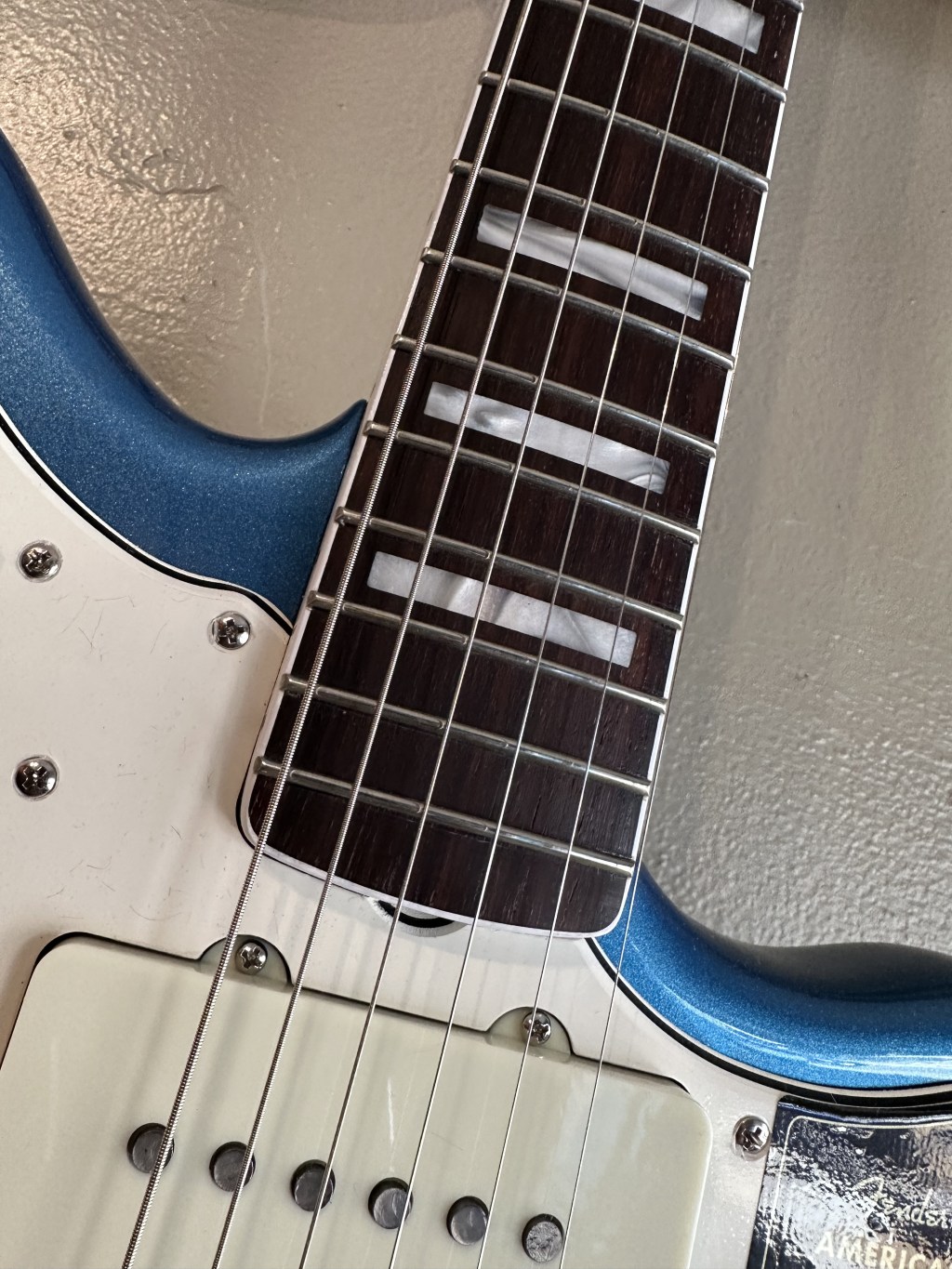
Fingerboard inlays, those ornate markers adorning the necks of guitars and other stringed instruments, have a rich history that spans centuries. These intricate designs serve both practical and aesthetic purposes, providing visual cues for musicians and enhancing the instrument’s overall allure. Let’s embark on a fascinating journey through the evolution of fingerboard inlays.
Do you have old guitars gathering dust you want to get rid of? Contact us here!
Ancient Origins:
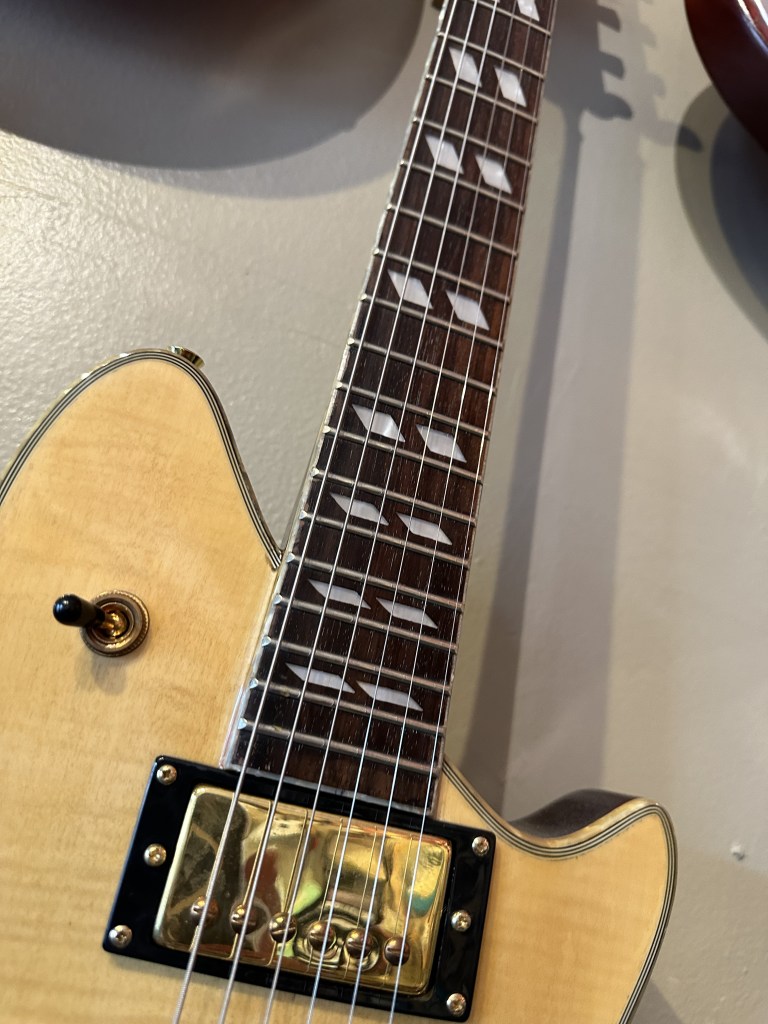
The concept of inlays dates back to ancient times when artisans adorned objects with intricate patterns. In the context of musical instruments, early lutes and stringed instruments in ancient civilizations like Mesopotamia and Egypt featured rudimentary inlays made from materials like ivory, shells, and precious stones. These inlays not only added visual appeal but also marked specific positions on the instrument’s neck.
Renaissance Elegance:
During the Renaissance period, which spanned the 14th to the 17th century, inlays became more elaborate and widespread. The craftsmen of the time adorned viols, lutes, and early guitars with intricate designs made from materials like mother-of-pearl and tortoiseshell. These designs often depicted floral motifs, geometric patterns, or scenes from mythology, showcasing the artistry of the era.
Looking to trade your guitar in for something cool? Contact us here!
The Birth of Modern Inlays:
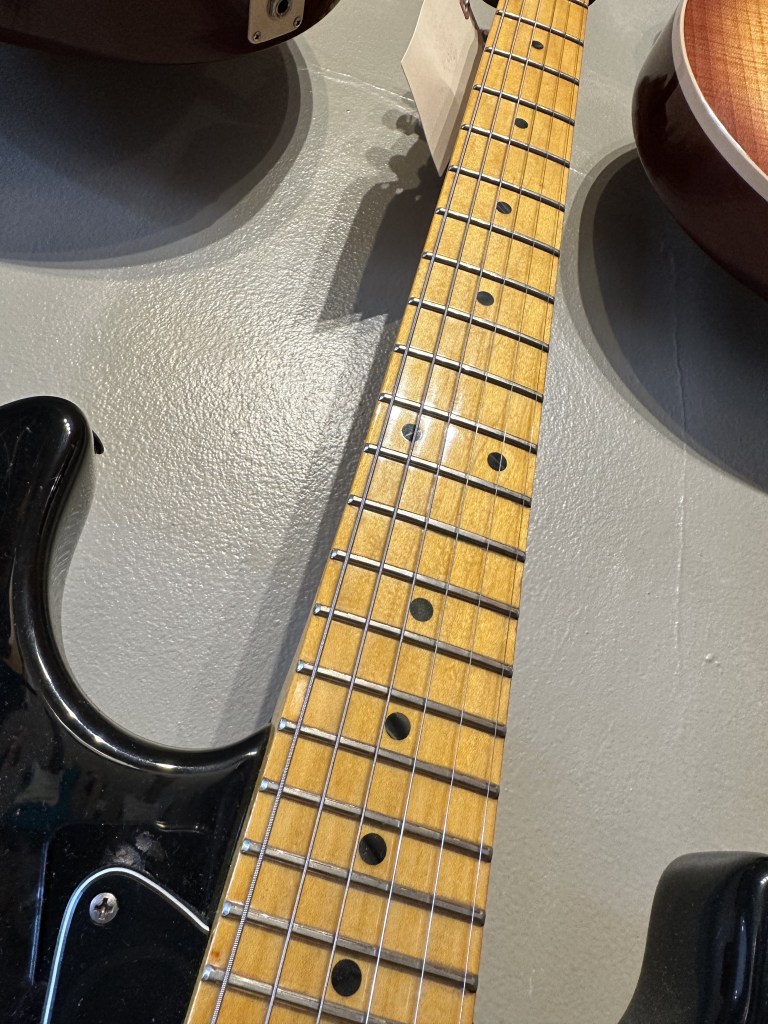
As the guitar gained prominence in the 18th and 19th centuries, particularly with the classical guitar’s evolution, fingerboard inlays became standardized. Classical guitars featured simple dot inlays or small markers at specific fret positions. With the rise of the steel-string acoustic guitar and its popularity in folk and blues music, more creative inlay designs emerged, often reflecting the cultural and artistic influences of the time.
Inlays in the Golden Age of Guitars:
The late 19th and early 20th centuries marked the golden age of fingerboard inlays. With the advent of the modern guitar and the emergence of prominent guitar manufacturers like Gibson and Martin, inlays became an essential part of the instrument’s aesthetic. Gibson, in particular, introduced iconic inlay designs such as the parallelogram and block inlays, adding a touch of elegance to their guitars.
Art Deco and Beyond:
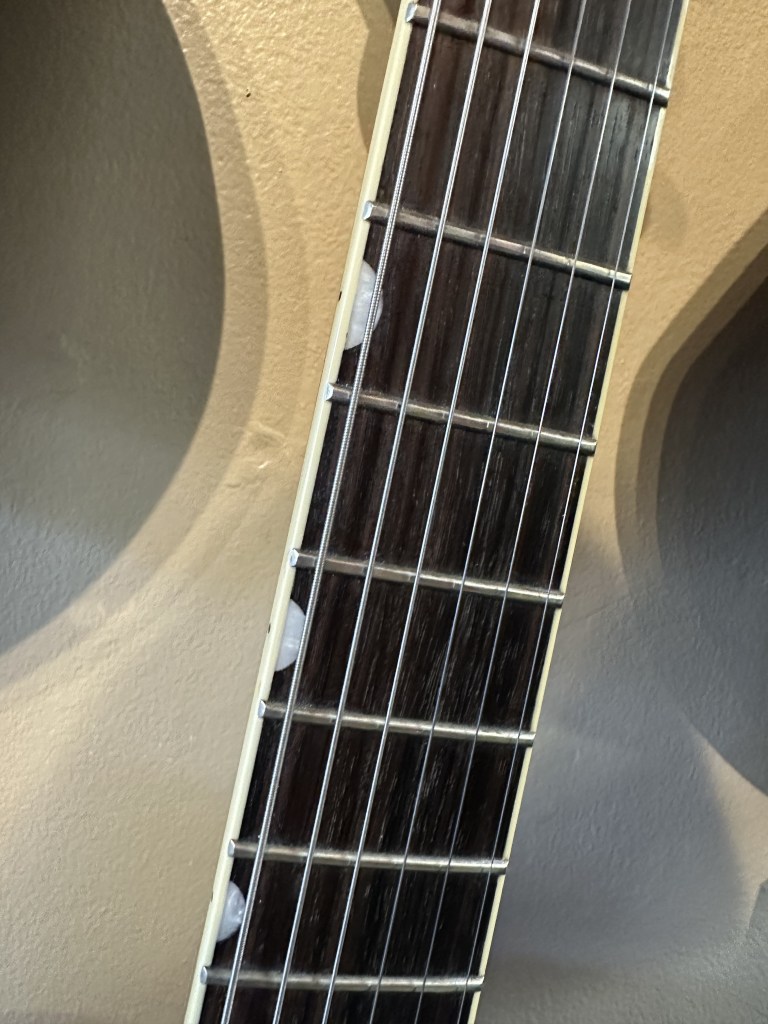
In the early 20th century, the Art Deco movement influenced guitar inlays, leading to geometric and streamlined designs. As electric guitars gained popularity in the mid-20th century, innovative materials like plastics and acrylics allowed for more intricate and colorful inlays. Musicians like Les Paul and Eric Clapton popularized guitars with elaborate inlays, making them a symbol of style and prestige.
Customization and Innovation:
In the modern era, advancements in technology have enabled highly detailed and personalized inlays. Custom guitar makers utilize laser-cutting techniques to create intricate designs, incorporating themes ranging from nature and mythology to abstract art. The resurgence of interest in vintage and handmade guitars has led to a revival of traditional inlay techniques, preserving the artistry of the past while embracing contemporary creativity.
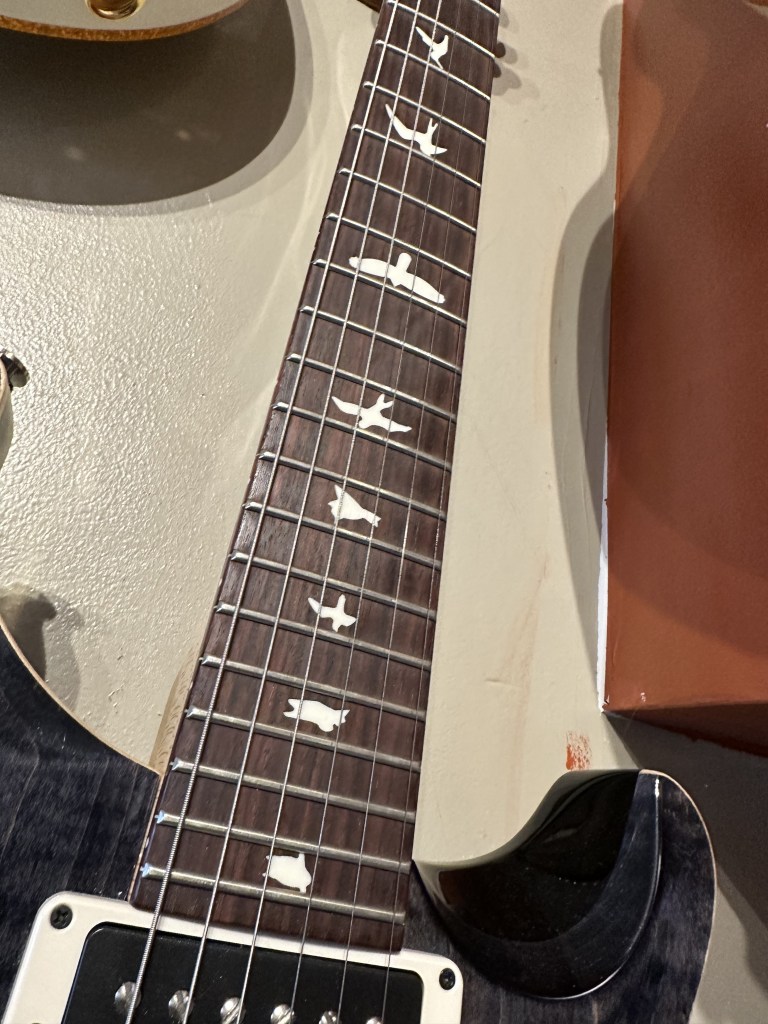
In conclusion, fingerboard inlays have evolved from simple markers to intricate works of art, reflecting the craftsmanship, cultural influences, and artistic sensibilities of their respective eras. Today, they continue to captivate musicians and enthusiasts, adding a touch of personality and history to every instrument they grace. Whether inspired by tradition or pushing the boundaries of innovation, fingerboard inlays remain a testament to the enduring allure of musical craftsmanship.
Do you have a vintage guitar you’d like to sell? Contact us here!
 IVG Blog