

Ah, the Les Paul Deluxe. Another offering from Gibson’s “Norlin Era” that made its way to the big stage, being played in front of massive audiences, and even featured on historically important recordings. Known for being the “new Les Paul” of its time, the Deluxe has become a favorite among professional musicians and enthusiasts since its introduction in the late 1960s. But to truly appreciate its significance, let’s delve into the history of this iconic instrument, shall we?

The story of the Gibson Les Paul Deluxe begins in 1968, after Norlin took ownership of Gibson and the company began seeking to expand its lineup of electric guitars. The Les Paul Standard had already established itself as a classic throughout the 50’s with its single-cutaway design and dual humbucker pickups, but was ultimately discontinued in 1960 and “replaced” with the SG in 1961 (more on that later). But as the 60’s progressed, numerous guitarists began picking up the “old” 50’s Les Pauls, which became the unexpected champions of the flourishing blues rock and pop genres. Almost an entire decade passed before Gibson eventually recognized the need to re-release the Les Paul to the market, and this time offer a more affordable Les Paul model to attract a broader range of players.

In 1968, Gibson re-introduced the Les Paul line with two classic 50’s styled Les Pauls, a Standard Goldtop reissue with dual P-90 pickups and a “Black Beauty” Custom reissue with humbuckers. And one year later, as part of its rebranding efforts to breathe new life into the new Les Paul line, Gibson released the Les Paul Deluxe model. The Deluxe was intended to be a more budget-friendly alternative to the Les Paul Standard or Custom, and it came with a few key differences that set it apart. Most notably, the Les Paul Deluxe featured mini-humbucker pickups instead of the traditional full-sized humbuckers found on Standards.

The mini-humbuckers on the Les Paul Deluxe were smaller in size and produced a slightly different tonal character. They offered a thinner and brighter, twangier sound compared to the warm, thick tones of standard humbuckers. Mini-humbuckers had been previously seen on the Firebird, as well as various Epiphone and various archtop models, but never before on a Les Paul. This unique tonal profile made the Deluxe stand out and appealed to a different set of players, including those in genres like rock, pop, and even funk and R&B.

One of the defining moments in the Les Paul Deluxe’s history came when renowned guitarist Pete Townshend of The Who adopted the guitar as his primary instrument. Townshend’s explosive playing style and aggressive stage presence made him an iconic figure in rock music, and his use of the Les Paul Deluxe helped popularize the model. Other notable artists, such as Scott Gorham of Thin Lizzy, also embraced the Deluxe for its unique sonic capabilities.
Have a Les Paul Deluxe or other 70’s Gibson that you’re looking to sell? Contact us here. Not sure what your guitar is worth? We offer written appraisals for selling and insurance purposes, Send us an email directly!
Throughout the 1970s, the Les Paul Deluxe continued to gain recognition among musicians, becoming a staple in the rock and punk scenes when the price of 50’s Les Pauls began to skyrocket out of reach for non-rockstar musicians’ budgets. The Deluxe was prized for its affordability, ease of modification, and distinctive tonal characteristics. Players often modified their Deluxes with different pickups, electronics, and hardware to achieve their desired sound, further solidifying the guitar’s reputation for versatility.
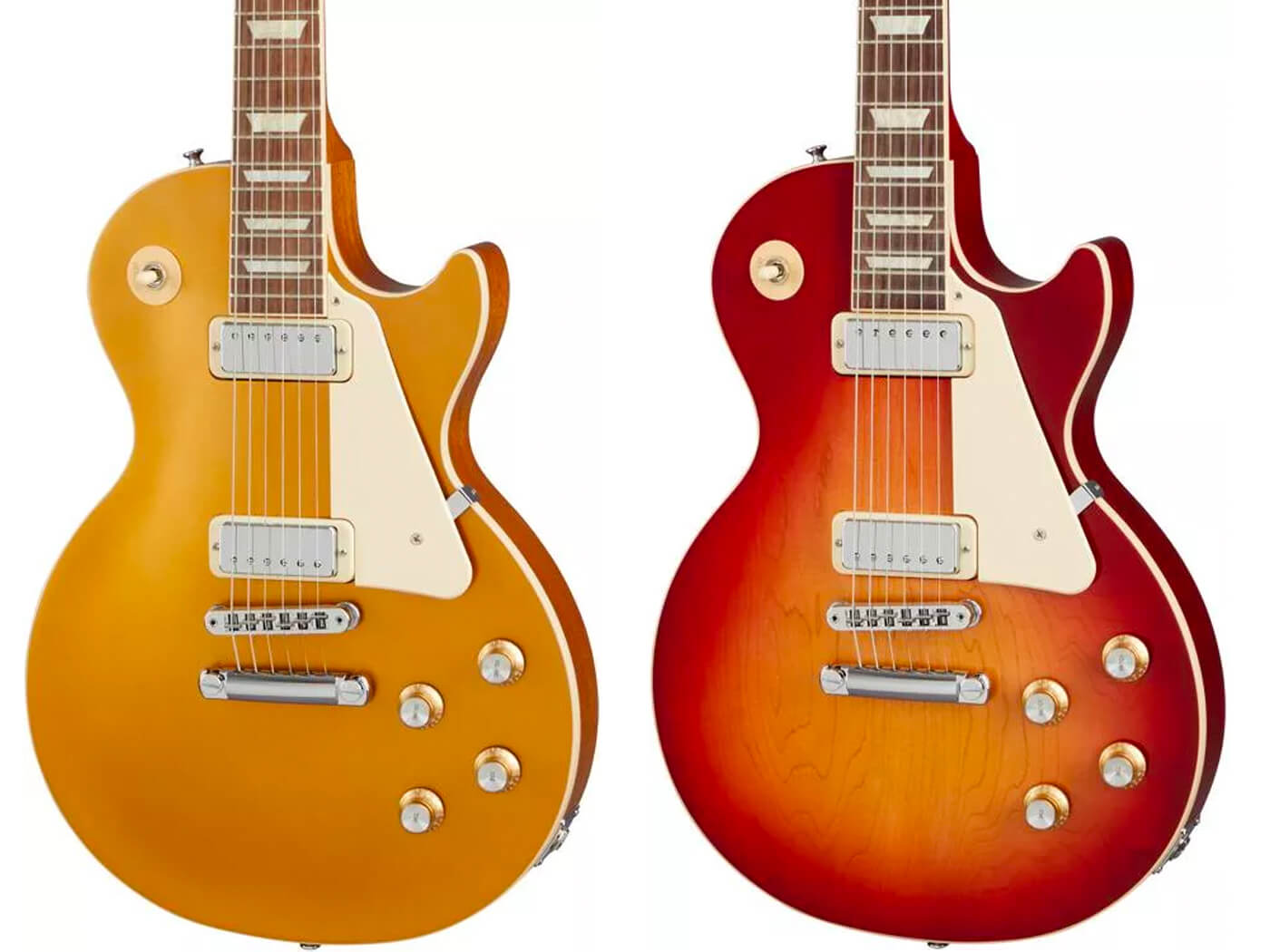
In 1985, Gibson temporarily discontinued the Les Paul Deluxe due to changing market demands. However, its absence was short-lived, and it made a triumphant return in the 2000s as a reissue model. Gibson reintroduced the Deluxe with various updates, including improved mini-humbuckers and modern construction techniques while maintaining the classic aesthetic.
Today, the Gibson Les Paul Deluxe remains a popular and highly sought-after electric guitar model. Its sound and vintage appeal continue to attract musicians from various genres, including rock, blues, jazz, and all types of alternative music. After all, it remains one of the last affordable vintage Les Paul models for artists and collectors who may not have a 5 or 6 figure budget. Whether you’re drawn to its bright and twangy tones, its rich history, or its aesthetics, the Les Paul Deluxe continues to be one of Gibson’s celebrated legacy models of its era.
The history of the Gibson Les Paul Deluxe is a tale of innovation, adaptation, and the modernization of a classic electric guitar design. From its introduction as an affordable alternative to the Les Paul Standard to its resurgence as a beloved reissue model and treasured vintage collectible, the Les Paul Deluxe has certainly made its mark on the music world. And while we can’t predict the future, it’s safe to say the Les Paul Deluxe will continue to inspire and attract musicians for many more years to come.
 IVG Blog