
By Randy “ToneMaster” Thompson
Greetings, fellow sonic pilgrims and tone enthusiasts! Prepare to embark on an exhilarating journey through the corridors of sound, as we unveil a brand-new chapter in the realm of musical exploration. I am thrilled to present to you “ToneTime With ToneMaster,” a column that transcends the ordinary and delves into the extraordinary, all under the guidance of your trusted mentor, the ToneMaster.
This week, we have a grand new submission:
Hey ToneMaster!
How do you get the tone from Siamese Dream by the Smashing Pumpkins?
Thanks,
Spencer, Baldwin Hills.
Ah, Siamese Dream, an album that’s drenched in iconic guitar tones! Billy Corgan’s guitar work on that record is truly something special. To capture that elusive Siamese Dream tone, here are a few key ingredients and considerations:

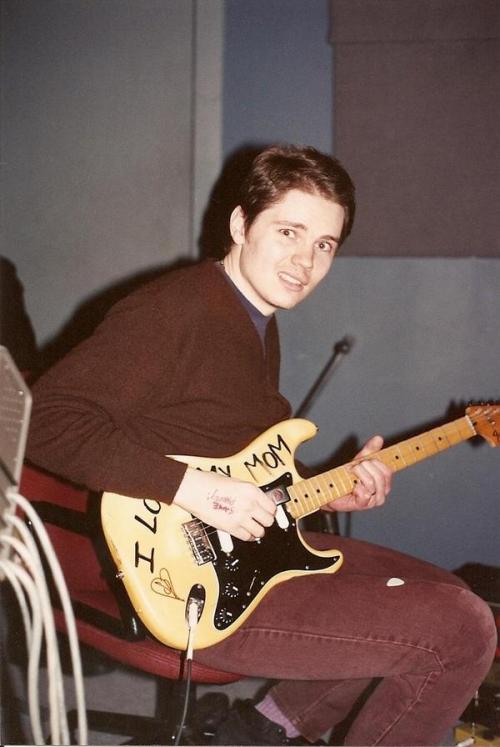
1. Smashing Pumpkins Gear: Start with the right gear. For Siamese Dream, Corgan famously used a ’78 Fender Stratocaster and a custom-built Fender Strat-style guitar. Pair these with a variety of pedals, most notably the Electro-Harmonix Big Muff and the Boss DS-1.
2. Layered Guitars: The lush, wall-of-sound guitars on Siamese Dream often involved multiple layered guitar tracks. Experiment with double-tracking or even triple-tracking your guitar parts to achieve that thick, harmonically rich sound.
Do you have a 70s Fender Stratocaster to sell? Contact us here!
3. The Big Muff: The Electro-Harmonix Big Muff distortion pedal is a key ingredient. Use it to add sustain, fuzz, and a thick midrange. Experiment with the settings to find the right balance between distortion and clarity.
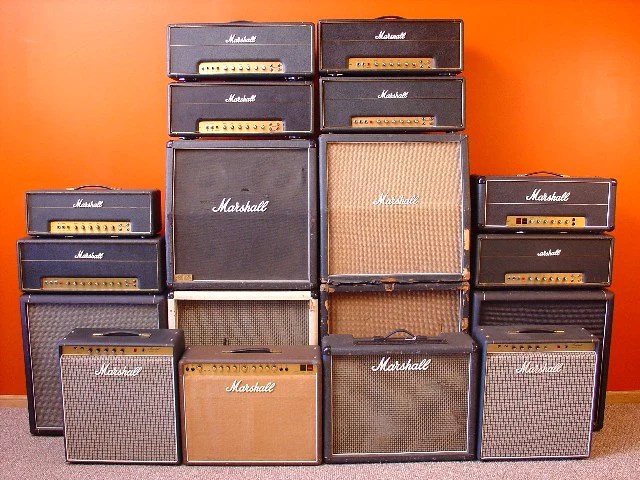
4. Amp Settings: Corgan used a variety of amplifiers, including a Marshall JCM800 and a Peavey Bandit. While these amps have different characteristics, they both offer that signature ’90s rock sound. Experiment with different amp settings to find the right balance of gain and clarity.
5. Pickup Selection: Use the bridge pickup on your guitar for that biting, aggressive tone. It’s a key element of the Siamese Dream sound.
6. Playing Dynamics: Corgan’s playing style involved a mix of aggressive strumming and precise picking. Experiment with your picking technique to achieve the right balance of dynamics and attack.

7. Studio Magic: Remember that Siamese Dream benefited from the creative production and studio techniques of Butch Vig. While you may not have the same studio resources, experiment with reverb, delay, and EQ to shape your guitar sound.
8. Experiment and Tweak: Achieving the Siamese Dream tone is as much about experimentation as it is about gear. Take your time to tweak your setup, and don’t be afraid to try unconventional combinations of pedals and settings.
Remember that while gear and settings are important, a big part of the Siamese Dream sound is Billy Corgan’s unique playing style and the emotion he poured into his performance. So, don’t forget to infuse your own passion and creativity into your playing to capture that elusive tone. Rock on!
Do you have a vintage guitar you’d like to sell? Contact us here!
 IVG Blog