

Choosing the right fret wire size for your electric guitar is a crucial decision that can significantly impact your playing experience and the overall sound of your instrument. Fret wire size affects playability, tone, and even durability, making it essential to select the right one for your specific needs and preferences. In this brief guide, we’ll explore some factors to consider when choosing fret wire size and offer some practical tips to help you make an informed decision.
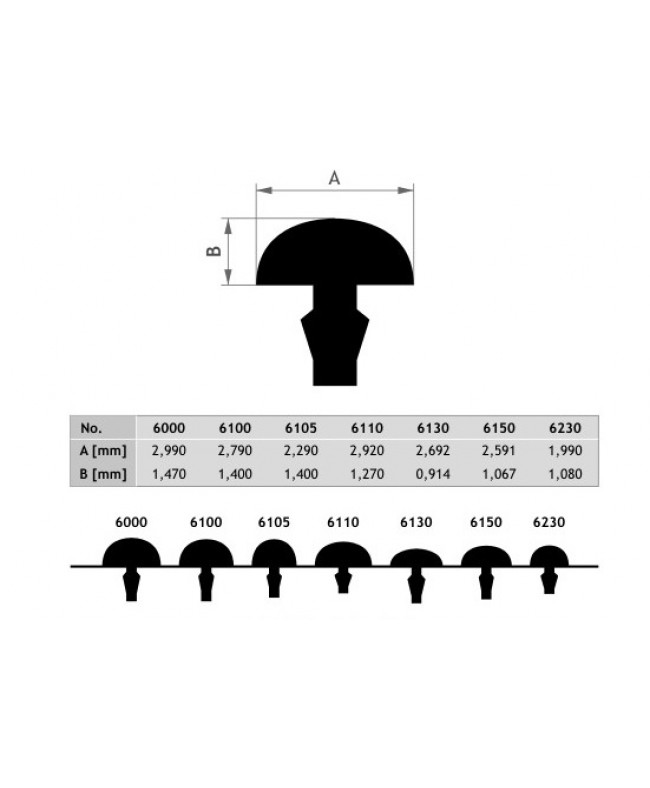
Fret wire comes in various sizes, typically classified by width and height. The most common measurements are in inches, and the two key dimensions to consider are width (typically measured as the crown width) and height (measured from the fretboard to the top of the crown). Common fret wire sizes include jumbo, medium jumbo, medium, and vintage. Each size offers distinct characteristics that affect playability and tone. It’s important to note that familiarizing yourself with measurements can ultimately be more helpful than going by these terms alone, as the names and designations can sometimes vary between manufacturers.
The first consideration when choosing fret wire size is playability. The size of the frets can significantly impact how your guitar feels under your fingers. Here’s a breakdown of the most common fret wire sizes and their impact on playability:

Jumbo frets are the largest of the bunch, both in width and height. They provide excellent sustain and are suitable for players who prefer bending strings and want a smooth, fast playing surface. However, they also tend to have a light “scalloped” feel depending on string gauge and can make moving up and down the fingerboard feel somewhat bumpy. You can often find factory Jumbo frets in many modern manufacturers’ guitars such as Jackson, Ibanez, and ESP.

Medium jumbo frets strike a balance between playability and tone. They offer good sustain like jumbos, making them suitable for a wide range of playing styles. Many players find medium jumbo frets comfortable for both chords and lead playing.

Medium frets have a smaller crown width and height compared to jumbo frets. They are ideal for players who prefer a more traditional feel or have a lighter touch. Medium frets can offer a smoother and more subtle playing experience that’s likely familiar if you’re not particularly used to bigger fret sizes. Gibson is known for using Medium sized frets in most of their solidbody electrics after 1957.

Vintage frets are the smallest in size, offering a classic, vintage feel. Shorter and more narrow than jumbo or medium frets, they are great for rhythm playing and chord work, but they may require more effort for string bending and vibrato techniques. Players may need to use a lighter touch to avoid fretting out on bends. The finger tips will also come into contact with the wood of the fingerboard much more than with larger frets, which many players prefer in terms of feel. Vintage size frets are associated mostly with Fenders, Rickenbackers, Gretsches, and several other brands of the 50’s and 60’s.
Fret wire size also influences the tone of your electric guitar. While the impact is subtle, it’s worth considering your tonal preferences when selecting fret wire size. Larger frets such as Jumbo or Medium Jumbo can provide slightly more sustain and brightness to your guitar’s tone. They may emphasize the upper harmonics and result in a more “modern” sound. Smaller frets (Medium and Vintage) can contribute to a warmer, rounder tone. They are most associated with the sound and feel of vintage instruments and can add a touch of that “vintage mojo” to your guitar.
Consider your playing style and the genre of music you primarily play as well. For example, if you play a lot of rock, blues, or heavy metal and use techniques like string bending and vibrato extensively, medium jumbo or jumbo frets may be more suitable for your needs. On the other hand, if you prefer jazz, country, or classic rock and prioritize a vintage feel, medium or vintage frets could be a better fit.
The choice of fret wire should also complement your guitar’s setup and neck profile. If you have a flatter neck radius, jumbo or medium jumbo frets might work well, as they provide a flatter playing surface.
Be prepared for a subtle change in neck profile, though. As going up dramatically in fret size can make your neck feel different than before, as the playing surface has been raised slightly. For most, this isn’t much of a deterrent , but it is something to consider if you’re planning on refretting a guitar with your perfect neck shape.
Experimentation and personal preference are probably the most important factors in this discussion. Ultimately, the “right” fret wire size for you is a matter of your personal preference. The best approach is to try guitars with different fret wire sizes to see which one feels and sounds best to you. You might be surprised at how your preferences evolve over time as you gain more experience and refine your playing style. Many players also enjoy having several guitars with different neck shapes and fret sizes. They can all be valuable tools in a musicians toolkit if you’re comfortable with some variation.
One thing that’s important to mention, when it comes to vintage instruments, is how altering or refretting the guitar can impact resale value. In many cases, especially for vintage size frets, guitars that have been played for roughly half a century will need to be refretted at somepoint in order to remain playable. However, these frets can sometimes be dressed by a professional to keep them in playing shape without having to go the refret route and decrease the value of the guitar.
If you have a vintage guitar that you’re looking to sell and you’re unsure if it’s been refretted or not, contact us via our website here. We can help identify if your vintage guitar or bass has been refretted and how to adjust market value accordingly.
The long and short of it is, selecting the right fret wire size for your electric guitar involves a balance between playability, tone, and personal preference. Take the time to experiment and find the size that suits your playing style and musical goals best. Also, don’t be discouraged if your preferred fret size today is something different tomorrow. Whether you opt for jumbo, medium jumbo, medium, or vintage frets, the right choice for the given moment will enhance your playing experience and help you better create the music you love.
 IVG Blog