

The history of guitar effects pedals is a rich tapestry that stretches back over six decades, tracing the evolution of technology and the creative exploration of musicians. These pedals have revolutionized the way guitarists shape and manipulate their sound, becoming essential tools for countless players across a wide range of musical genres.
The story begins in the early 1960s when engineers and inventors started experimenting with ways to alter the sound of the electric guitar. One of the earliest pioneers in this field was Ray Butts, who developed the EchoSonic amplifier with built-in tape echo. Although not a traditional effects pedal, the EchoSonic marked the beginning of the integration of effects into amplifiers.
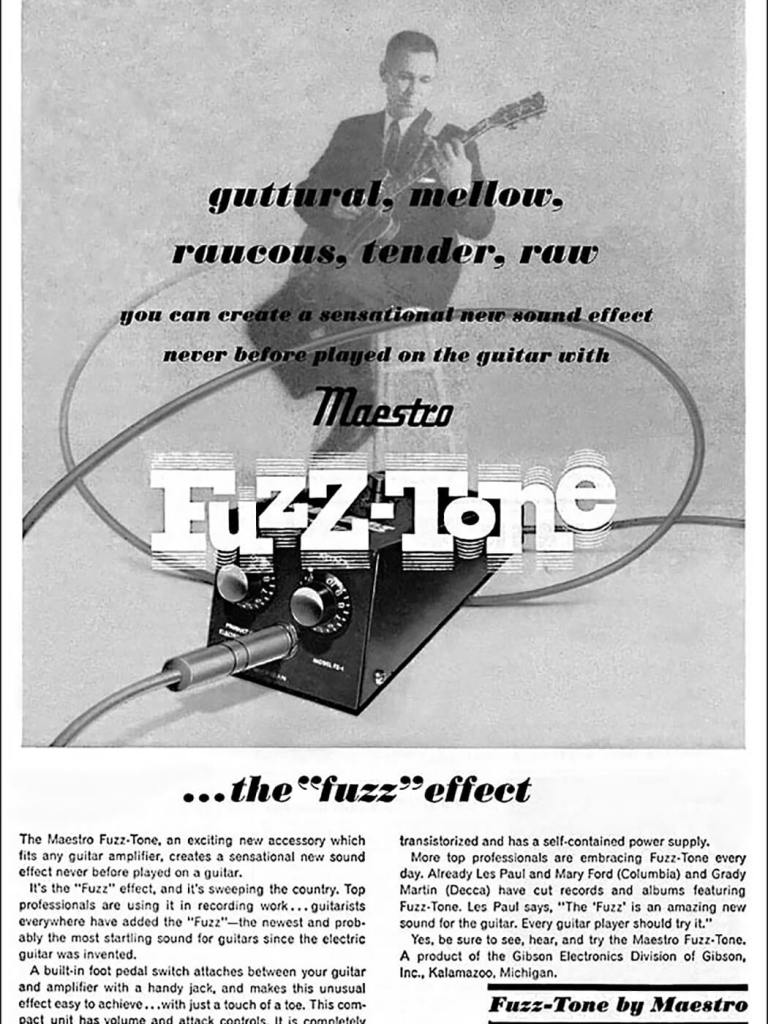
Around the same time, other companies began exploring the possibilities of standalone effects pedals. In 1962, the Maestro Fuzz-Tone FZ-1 hit the market, marking the birth of the fuzz pedal. This distortion effect pedal, powered by germanium transistors, would go on to shape the sound of rock music in the years to come.
Do you have a vintage guitar pedal to sell? Contact us here!
The 1960s witnessed a surge of innovation as companies like Electro-Harmonix, Vox, and Dallas Arbiter released a range of effects pedals. The Vox Wah-Wah pedal, introduced in 1967, quickly became a favorite among guitarists, offering a unique filtering effect that emulated the expressive qualities of a human voice. The Dallas Arbiter Fuzz Face gained popularity, particularly after being embraced by Jimi Hendrix, who used it to forge his iconic guitar sound.
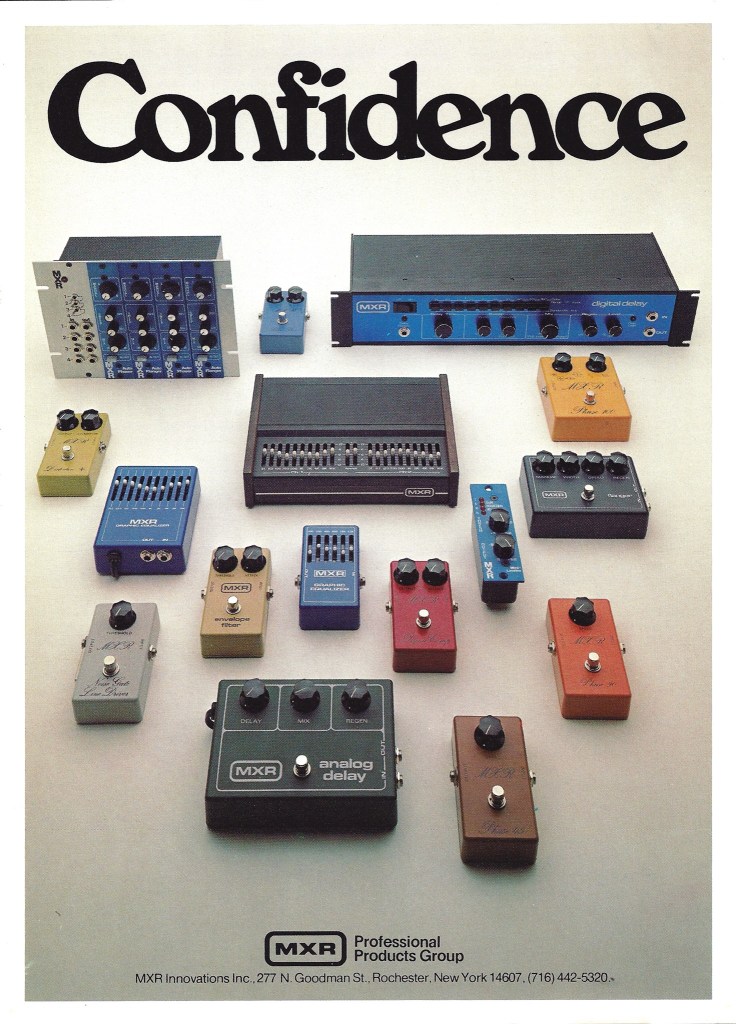
As the 1970s unfolded, guitar effects pedals continued to evolve and diversify. Companies like MXR, Boss, and Ibanez emerged as key players, introducing a wide array of pedals that shaped the sound of rock, blues, and funk. MXR’s Phase 90, Boss’s CE-1 Chorus Ensemble, and Ibanez’s Tube Screamer were just a few examples of the iconic effects pedals that gained popularity during this era.

In the 1980s, advancements in digital technology led to the rise of digital effects pedals. Digital delays, reverbs, and modulation effects offered a new level of versatility and precision, albeit at the expense of some analog warmth. The introduction of the Boss Digital Delay DD-2 and the Roland SDE-3000 Digital Delay revolutionized the way guitarists incorporated time-based effects into their playing.
The 1990s witnessed a resurgence of analog effects pedals as musicians sought a return to the organic, vintage sound. Boutique pedal builders began crafting handmade, high-quality effects units, catering to the demands of discerning players. This era saw the rise of companies like Fulltone, Analogman, and Strymon, known for their meticulous craftsmanship and attention to detail.

In recent years, guitar effects pedals have continued to evolve at an unprecedented rate. The advent of digital modeling and multi-effects processors has allowed guitarists to access an entire arsenal of effects in a single unit. The rise of software-based amp simulations and plugin effects has also transformed the landscape of guitar processing, offering unprecedented flexibility and convenience.
Today, the market is flooded with a vast array of guitar effects pedals, ranging from classic analog designs to cutting-edge digital innovations. From overdrives and distortions to delays, reverbs, modulation effects, and beyond, the options are virtually limitless. Guitarists are continually pushing the boundaries of what is possible, using effects pedals to create unique and innovative sounds that define their musical identities.
The history of guitar effects pedals is a testament to the ingenuity and creativity of musicians and engineers alike. From humble beginnings to the vast array of options available today, these pedals have forever changed the way we approach and experience the electric guitar.
Do you have a vintage guitar effect you’d like to sell? Contact us here!
 IVG Blog