
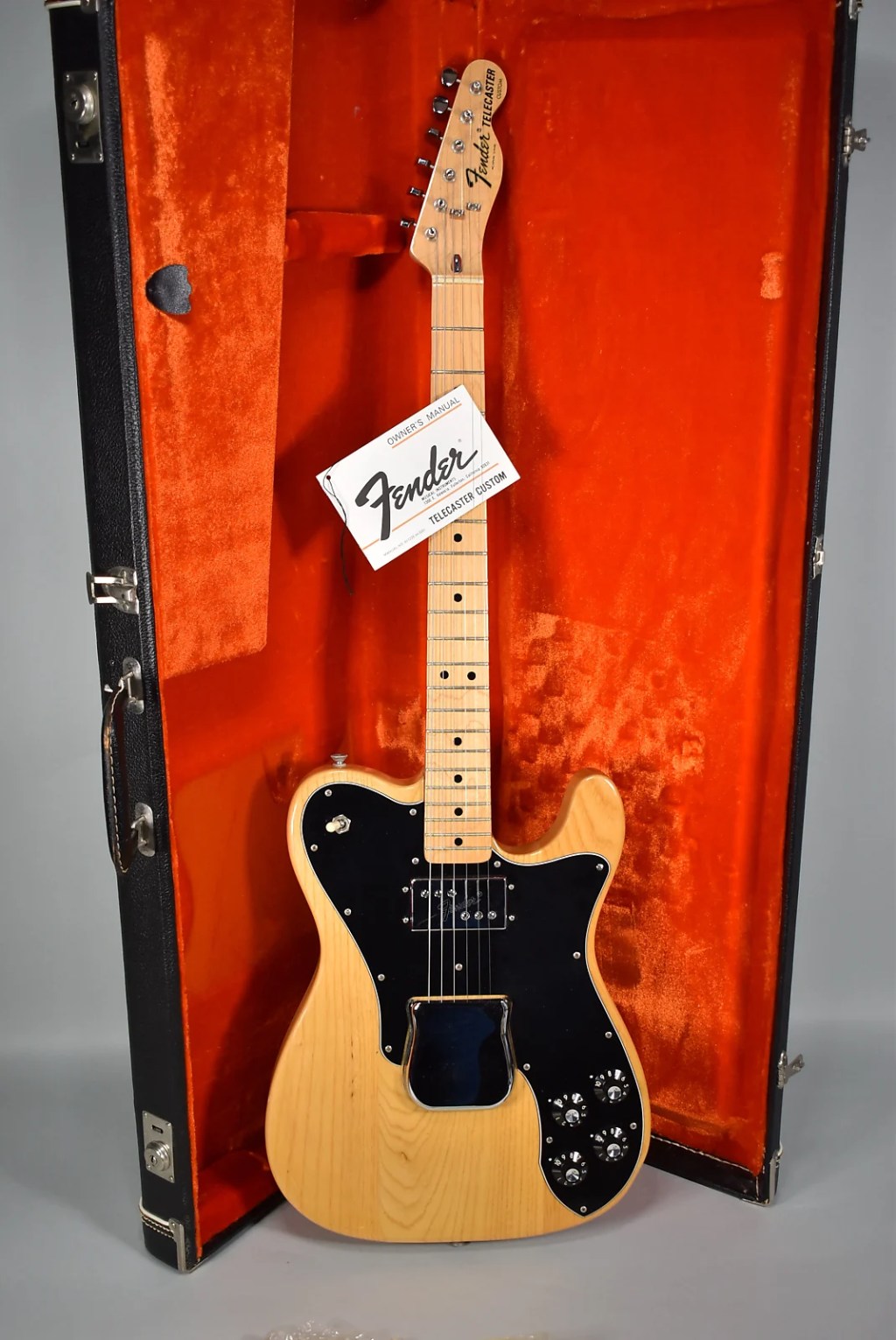
Vintage guitars hold a special allure for musicians and collectors alike. These instruments not only carry a rich musical history but also possess significant monetary value. However, the vintage guitar market is also rife with counterfeit and replica instruments, making it crucial for enthusiasts to be able to differentiate between genuine vintage guitars and fraudulent imitations. In this post, we will explore the world of vintage guitar authentication, providing valuable insights into identifying fakes and replicas and safeguarding your investment.

Research and Documentation:
The first step in authenticating a vintage guitar is conducting thorough research. Familiarize yourself with the specific model, year of production, and any distinguishing features associated with the instrument. Accessing reputable sources such as official manufacturer records, serial number databases, and vintage guitar forums can provide valuable insights into the authenticity of the instrument. Additionally, vintage guitar documentation, such as original receipts, photographs, and correspondence, can significantly enhance the guitar’s provenance and increase its credibility.
Physical Examination:
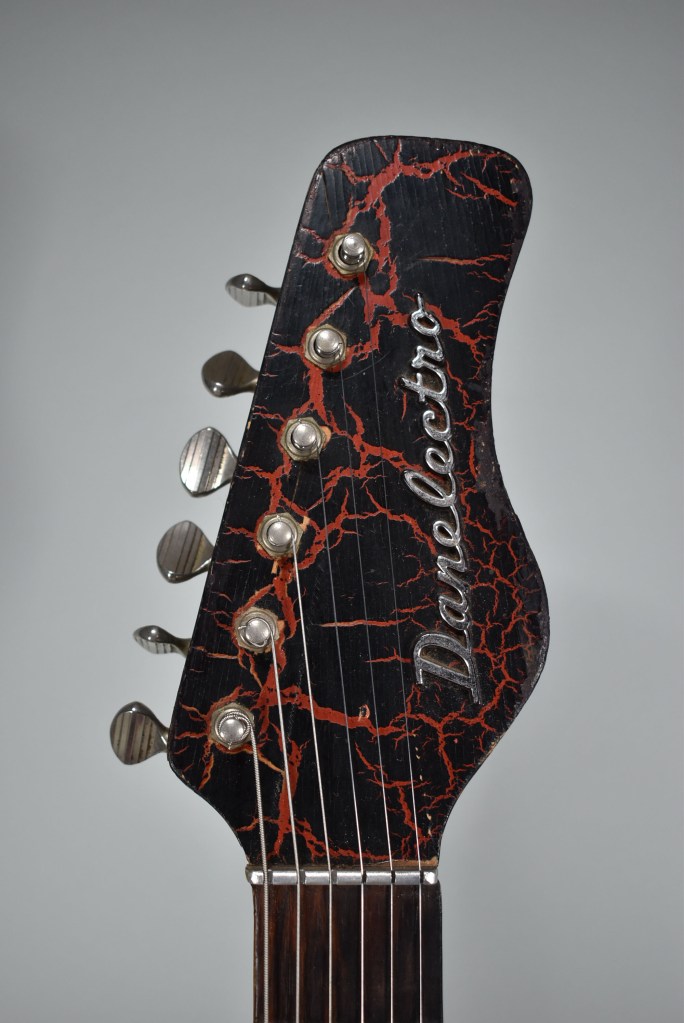
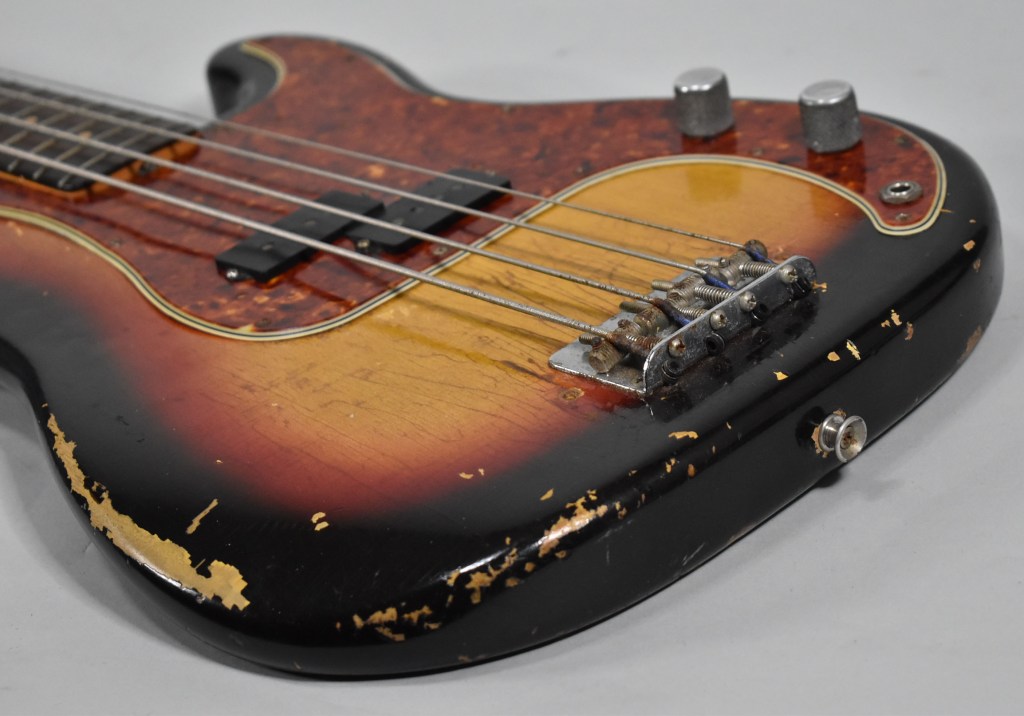
Examining the physical attributes of a vintage guitar is essential in the authentication process. Pay close attention to details such as body shape, finish, hardware, and components. Compare these features to verified examples of the same model from the same era. Vintage guitars often exhibit unique wear patterns, dings, and scratches that can serve as indicators of authenticity. Additionally, inspecting the hardware, electronics, and internal components can reveal inconsistencies or signs of tampering that might suggest a counterfeit or replica instrument.
Do you have any old guitars you’d like to trade? Contact us here!

Serial Numbers and Labels:
Serial numbers and labels can provide valuable information about a vintage guitar’s authenticity. Counterfeit instruments often have serial numbers that are either missing, altered, or do not match the manufacturer’s records. Research the specific serial number format for the guitar in question and verify its authenticity through official databases or reputable vintage guitar experts. Labels and decals should also be examined for accuracy in terms of font, layout, and placement. Differences in these details can be telltale signs of a fake or replica.
Workmanship and Materials:
Authentic vintage guitars are crafted with meticulous attention to detail, using high-quality materials and skilled workmanship. Examine the construction, joinery, and finishing of the instrument. Look for signs of handwork, such as tool marks, inconsistencies, and variations in wood grain. Vintage guitars often feature specific hardware and pickups that were characteristic of the era in which they were produced. Anachronistic components or poor-quality materials can indicate that a guitar is not an authentic vintage instrument.
Seek Expert Opinion:
When in doubt, seeking the opinion of experienced vintage guitar experts or reputable guitar appraisers can provide valuable guidance in the authentication process. These professionals possess extensive knowledge and expertise in vintage instruments and can identify subtle nuances that may be missed by the untrained eye. Their insights can help confirm the authenticity of a vintage guitar or raise red flags if they suspect it to be a fake or replica.
Authenticating vintage guitars is a critical aspect of navigating the vintage guitar market and protecting your investment. By conducting thorough research, examining physical attributes, scrutinizing serial numbers and labels, and seeking expert opinions, you can gain confidence in the authenticity of a vintage instrument. Remember that counterfeits and replicas are becoming increasingly sophisticated, so staying informed and vigilant is essential. By honing your authentication skills, you can ensure that the vintage guitar you own or intend to purchase is a genuine piece of musical history, both in terms of its historical significance and its intrinsic value.
Do you have a vintage guitar you’d like to sell? Contact us here!
 IVG Blog