

When it comes to the construction of a guitar, the choice of tonewood plays a pivotal role in shaping the sound. Tonewoods are the types of wood used for the body, neck, and fretboard of a guitar, and each wood variety contributes to the instrument’s tonal characteristics in its unique way. From rich warmth to bright brilliance, let’s explore the differences between various guitar tonewoods.
Do you want to sell your vintage guitar? Contact us here!

Mahogany is widely favored for its warm and balanced tonal qualities. It offers a strong midrange response, resulting in a focused and articulate sound. The wood’s inherent density and the way it reflects and absorbs vibrations contribute to its distinctive sonic signature. Mahogany guitars often exhibit a smooth sustain and a rich, resonant tone, making them popular choices for blues, rock, and jazz genres.
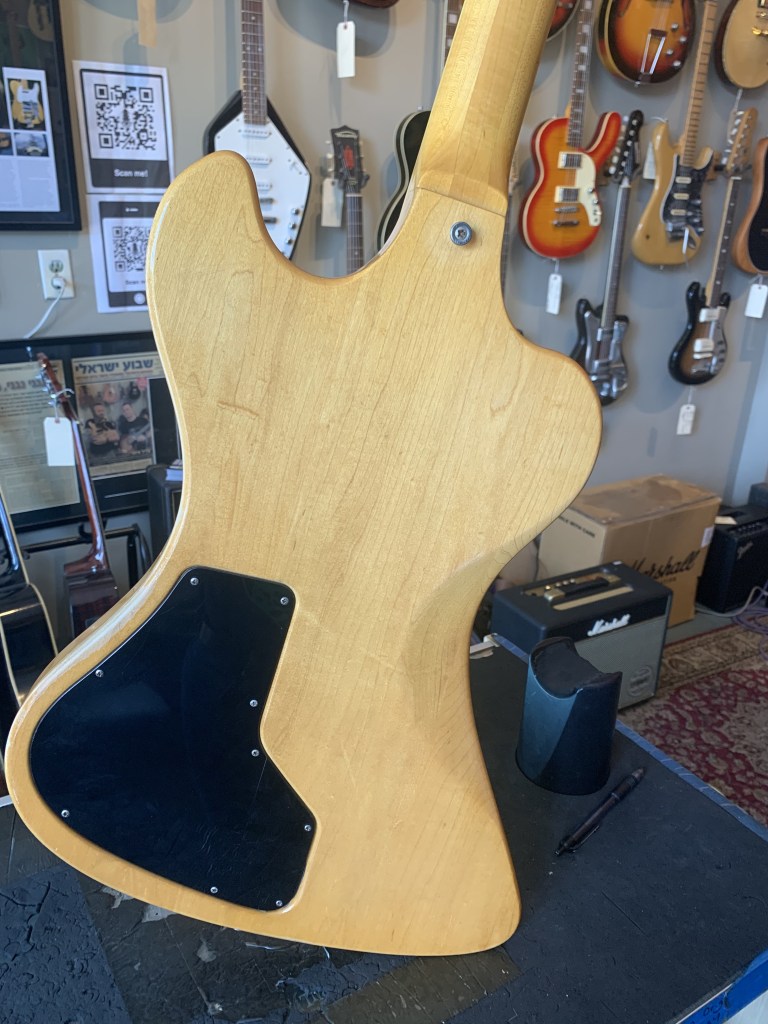
On the other end of the tonal spectrum, we find maple. Maple is known for its bright, clear, and articulate sound. It delivers a pronounced upper midrange and treble response, which imparts a snappy attack and excellent articulation. Maple guitars often excel in genres that require a cutting and punchy tone, such as country, pop, and certain styles of rock. The dense nature of maple provides excellent sustain and a focused projection of sound.
Have a guitar you want to trade for something maple? Contact us here!
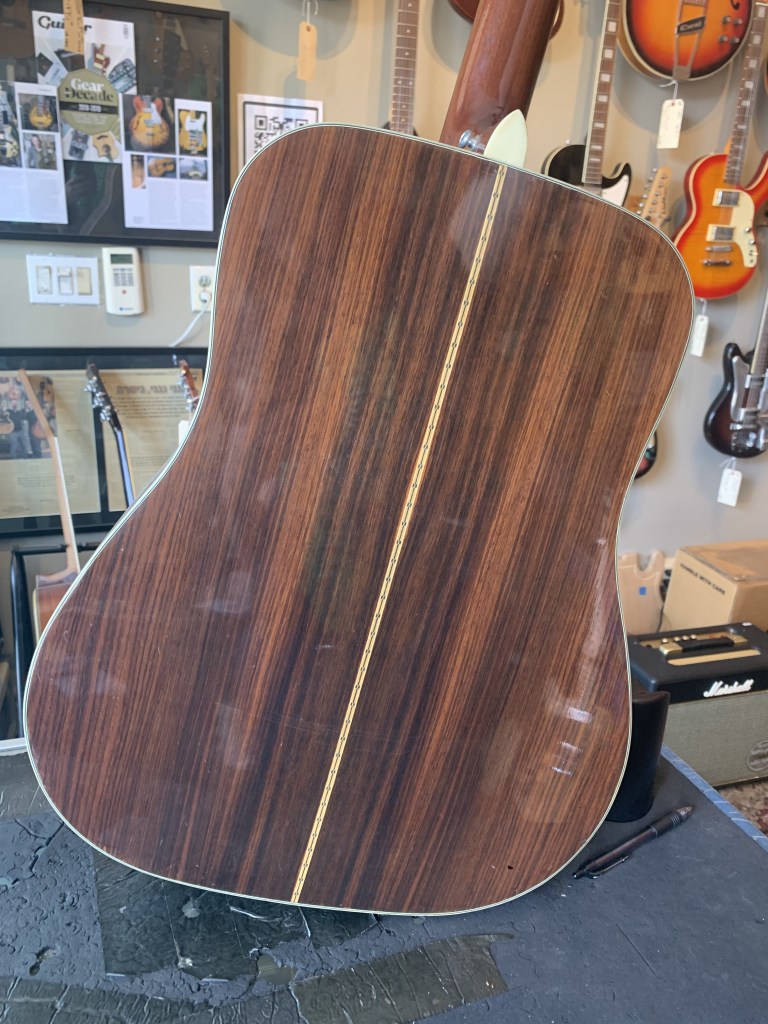
Rosewood is treasured for its rich overtones and complex harmonic content. It is commonly used for fretboards due to its smooth feel and tonal warmth. Rosewood-bodied guitars produce a balanced and resonant sound with enhanced bass response. The wood’s lush sustain and the way it emphasizes the lower frequencies contribute to its popularity in fingerstyle playing and genres like folk and acoustic blues.
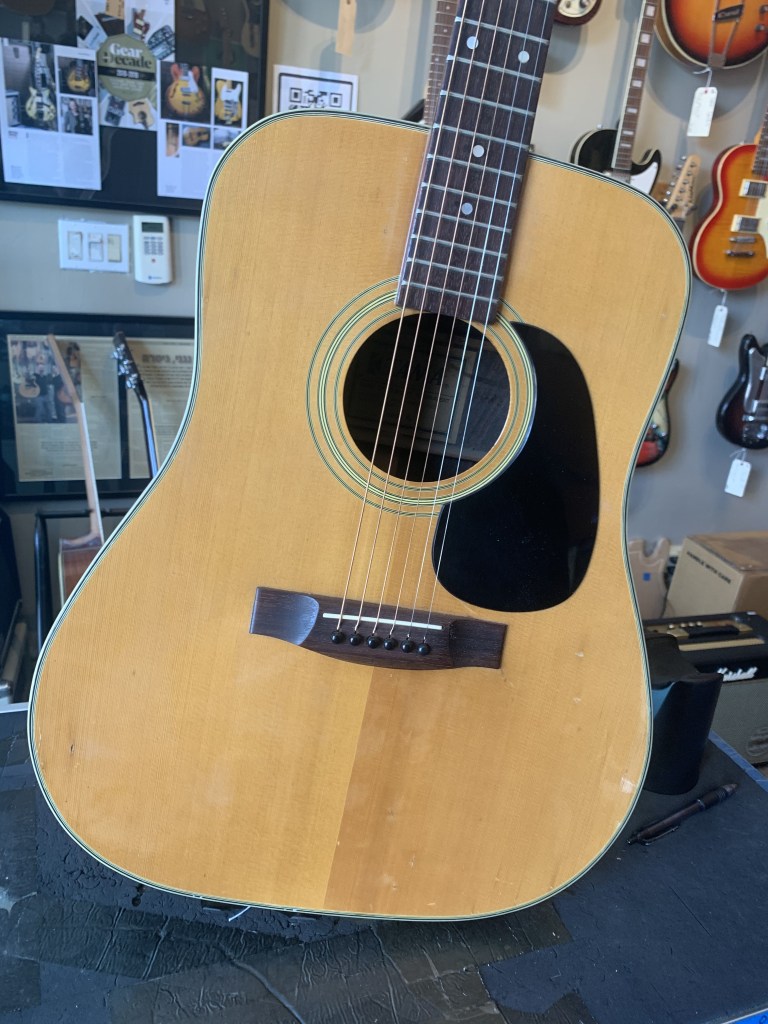
For those seeking a bright tonal character and enhanced clarity, spruce is a popular choice. Spruce is often used as the top (soundboard) wood in acoustic guitars due to its excellent responsiveness. It produces a broad dynamic range, with a well-defined and crisp attack. Spruce-topped guitars are known for their versatility and are suitable for various genres, including folk, bluegrass, and classical music.

Ebony is another tonewood often utilized for fretboards due to its durability and smooth feel. It offers a bright and snappy tone, contributing to increased note articulation and a defined attack. Ebony fretboards are highly sought after for their sleek appearance and their ability to complement a wide range of tonewoods used in the guitar’s body.
These are just a few examples of the myriad tonewoods available for crafting guitars. Each tonewood possesses its own tonal characteristics, allowing musicians to find the right match for their preferred playing style and musical genre. Other popular tonewoods include cedar, koa, walnut, and ash, each offering its own unique blend of tonal properties. It is important to note that while tonewoods play a significant role in shaping a guitar’s sound, other factors such as construction, design, and even the player’s technique also contribute to the overall tonal result.
Ultimately, the choice of tonewood becomes a personal preference, guided by the desired sound and sonic qualities one seeks in their instrument. Whether you prefer the warmth of mahogany, the brilliance of maple, or the rich overtones of rosewood, the world of tonewoods offers a kaleidoscope of sonic possibilities. The interplay between the specific wood and the craftsmanship of the guitar builder creates a harmonious partnership, allowing musicians to express their creativity and emotions through the captivating realm of guitar tonewoods.
Are you looking for a vintage guitar? Contact us here!
 IVG Blog