

When it comes to creating beautiful melodies and captivating rhythms on the guitar, the strings you choose play a crucial role in shaping your sound. Each type of guitar string possesses unique characteristics, influencing the tone, playability, and overall feel of your instrument. In this post, we’ll dive into the world of guitar strings, exploring their diverse types and shedding light on the factors that can guide your selection process.

Steel Strings
Steel strings are the most common type used in acoustic and electric guitars. Known for their bright and vibrant sound, they offer excellent projection and sustain. Within the realm of steel strings, there are variations such as light, medium, and heavy gauges, each impacting the guitar’s playability and tonal characteristics. Lighter gauges facilitate easier bending and fretting, while heavier gauges produce a more robust tone, suited for genres like blues or rock.
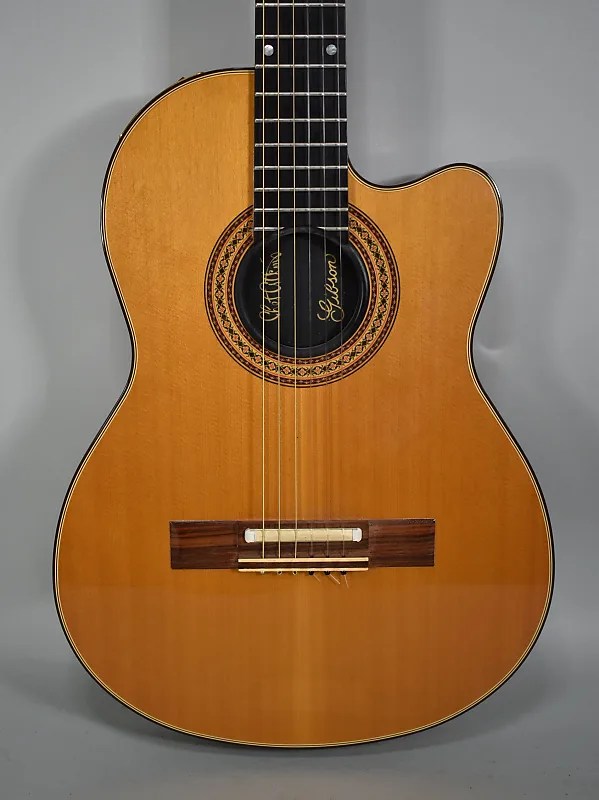
Nylon Strings
Nylon strings are predominantly found on classical and flamenco guitars. They are made of nylon or similar synthetic materials and are notable for their softer touch and warm, mellow sound. Nylon strings exert less tension on the guitar’s neck, resulting in a more forgiving playing experience. Classical guitar strings come in different tension levels, ranging from low to high, offering players a choice based on their preferred style and finger strength.

Nickel and Nickel-Plated Steel Strings
Nickel and nickel-plated steel strings are popular choices for electric guitars. They strike a balance between the bright tones of steel strings and the warmth of pure nickel. Nickel strings produce a smoother sound, with a touch of vintage warmth, making them ideal for jazz, blues, and classic rock. On the other hand, nickel-plated steel strings offer enhanced durability and a brighter tone, making them suitable for modern rock and metal genres.

Coated Strings
Coated strings feature a polymer coating that protects the strings from corrosion and extends their lifespan. They are available in various materials, including steel and bronze, and offer improved longevity without compromising tone and playability. Coated strings are excellent for those who have acidic sweat or live in humid environments, as they resist tarnishing and retain their fresh sound for a longer duration. They are particularly advantageous for gigging musicians who prefer fewer string changes.
Selecting the right type of guitar strings is a deeply personal choice that depends on your playing style, genre preferences, and tonal aspirations. Experimentation is key to finding the strings that resonate with you and bring out the best in your playing. Whether you opt for the bright and crisp tones of steel strings, the mellowness of nylon, the vintage warmth of nickel, or the longevity of coated strings, the wide array of options ensures that you can shape your unique sonic journey as a guitarist.
Do you have a vintage guitar you would like to sell? Contact us here!
 IVG Blog